11 Best DNP Programs in Virginia – 2026
Written By: Pattie Trumble, MPP, MPH
 Wondering what’s the most effective way to rise to the top of the nursing profession in Virginia? DNP programs in Virginia provide access to diverse roles, such as advanced practice RN, nurse educator, and nurse manager. A Doctor of Nursing Practice degree prepares you to work in many different practice settings, ranging from intensive care units to community clinics. Healthcare employers in the Old Dominion State know that DNP-educated RNs have the highest level of practice-focused education. That’s why DNPs in Virginia earn $130,200 annually on average, and demand for their services is projected to increase by 56 percent in just 10 years. Learn more with this guide to the 11 best DNP programs in Virginia.
WHAT ARE THE BEST DNP PROGRAMS IN VIRGINIA (ONLINE & CAMPUS) FOR 2026?
Based on our Ranking Methodology, listed below are the 11 Best Doctor of Nursing Practice programs in Virginia (Online & Campus) for 2026.
1. George Mason University - Fairfax
Programs Offered: BSN-to-DNP and MSN-to-DNP
BSN-to-DNP Specialties Offered: Adult Gerontology Nurse Practitioner, Family Nurse Practitioner, Psychiatric Mental Health Nurse Practitioner, and Nursing Administration
MSN-to-DNP Specialties Offered: Adult Gerontology Nurse Practitioner, Family Nurse Practitioner, Psychiatric Mental Health Nurse Practitioner, and Nursing Administration

In addition to APRN coursework in physical assessment, pharmacology, and pathophysiology, and classes in your chosen specialty, you'll take core DNP classes like "Theoretical and Ethical Foundations Related to Nursing," "Organization of Nursing and Health Care Delivery Systems," and "Translating Nursing and Health Care Research into Evidence-Based Policy." The 2.5-year program culminates with a two-semester "Practice Inquiry" for which you will complete a scholarly project that uses research and evidence derived from your own practicums to solve a healthcare challenge.
You'll get to choose whether you want to attend classes at the university's campus in Fairfax or enroll in the university's distance learning program. Students pursuing the hybrid track can expect to visit the campus regularly for skills workshops and networking opportunities. While a Virginia RN license is not required for all applicants, students with licensure in the Old Dominion State will have the opportunity to pursue practicums with George Mason University's prestigious clinical partners throughout the Washington, D.C., metropolitan area, which include the MedStar Washington Hospital Center and the university’s own system of Mason and Partners Clinics. New students enter this program in the spring and fall semesters.
MSN-to-DNP Program Details: George Mason University's MSN-to-DNP program offers the same AGPCNP, FNP, PMHNP, and Nursing Administration concentrations as its BSN-to-DNP program, and involves the same number of credits. There's a kicker, though: You can transfer up to 30 credits and 600 clinical hours from your MSN degree, thereby effectively lowering your effective DNP requirements to 42 credits and 400 clinical hours. Most students are able to complete this DNP program in Virginia in one year of full-time study or two years of part-time study.
The core DNP curriculum, including the DNP project, is essentially the same as it is for the university's BSN-to-DNP program. The program is offered in a hybrid format: Most of your coursework will be online, but you may have to make some visits to the university's Fairfax campus. You'll be able to complete clinical rotations at healthcare facilities in your own community. While most students enter the program in the fall semester, there is also a spring entrance option.
Must-Know Highlights For Potential Students
• U.S. News & World Report rates George Mason University's DNP program the 10th best in the United States.• George Mason University's APRN grads have a first-time pass rate of 100 percent on their national certification exams.
2. University of Virginia - Charlottesville
Programs Offered: BSN-to-DNP and MSN-to-DNP
BSN-to-DNP Specialties Offered: Adult-Gerontology Acute Care Clinical Nurse Specialist, Adult-Gerontology Acute Care Nurse Practitioner, Family Nurse Practitioner, Neonatal Nurse Practitioner, Pediatric Nurse Practitioner - Acute Care, Pediatric Nurse Practitioner - Primary Care, Psychiatric-Mental Health Nurse Practitioner, and Dual Adult Gerontology Acute Care CNS + NP
You can choose among seven specialties: a 73-credit BSN-to-DNP/Adult-Gerontology Acute Care Clinical Nurse Specialist (AGACCNS) track, a 73-credit BSN-to-DNP/Adult-Gerontology Acute Care Nurse Practitioner (AGACNP) track, a 75-credit BSN-to-DNP/FNP track, a 74-credit BSN-to-DNP/Neonatal Nurse Practitioner (NNP) track, a 73-credit BSN-to-DNP/PMHNP track, a 74-credit BSN-to-DNP/Pediatric Nurse Practitioner-Acute Care (PACNP) track, and a 72-credit BSN-to-DNP/Pediatric Nurse Practitioner-Primary Care (PPCNP) track. UVA also offers a dual 77-credit BSN-to-DNP/ AGACNS + AGACNP track. Members of the military can customize this dual track to their unique needs by taking an additional six credits of electives during the summer of their first year.
The curriculum also includes 1,000 clinical hours, 750 doing supervised patient care in your chosen specialty, and the other 250 devoted to DNP project research. You must have a Virginia RN license by the time you start doing clinical rotations because you'll be pursuing practicums at the various clinics inside the UVA Health system, as well as other healthcare facilities within central Virginia, like Bon Secours, Centra Health, and Riverside Health.
Core DNP courses include "Health Policy, Economics & Finance," "Ethics & Leadership within Interprofessional Practice," and "Quality & Safety in Healthcare Systems." Throughout your final year of study, you will also complete a DNP project, suitable for publication, that involves designing, implementing, and evaluating a healthcare initiative with a systems or population focus.
MSN-to-DNP Program Details: UVA's MSN-to-DNP program is open to APRNs who hold valid RN licenses in the Commonwealth of Virginia. The curriculum is a streamlined version of the BSN-to-DNP curriculum minus the foundational APRN coursework and specialization studies; it's designed to be pursued part-time over five semesters (20 months).
Classes meet on campus approximately six times a semester, but you'll be able to access the rest of your study plan over the Internet. You will complete your clinical rotations at medical centers throughout central Virginia, and you may be able to apply some or all of your MSN practicum hours toward the 1,000-hour DNP clinical requirement. The program accepts new students in the fall semester.
Must-Know Highlights For Potential Students
• UVA offers guaranteed admission into its BSN-to-DNP program for graduates of its BSN program, and these students can transition seamlessly into the program without having to accrue professional nursing experience.• The University of Virginia is a public university, so tuition costs will be lower than those at private universities, thereby optimizing your educational investment.
3. Virginia Commonwealth University - Richmond
Programs Offered: BSN-to-DNP and MSN-to-DNP
BSN-to-DNP Specialties Offered: Adult-Gerontology Acute Care Nurse Practitioner, Family Nurse Practitioner, Psychiatric Mental Health Nurse Practitioner, Nursing Leadership & Organizational Science, and Nursing Informatics
All five tracks are part-time programs, offered in a hybrid format and designed to be completed in three and a half years. You'll take half your classes online and the other half in a classroom setting at the university's campus in Richmond. You'll participate in clinical rotations at some of the most prestigious hospitals and clinics in Virginia's Piedmont district, including those associated with the university's academic medical center, VCU Health.
Core DNP courses like "Foundations in Knowledge and Scholarship for Advanced Nursing Practice," "Scientific Foundations for System-Based Care and Interprofessional Partnerships," and " Health Policy and Health Economics for Nurse Leaders" will prepare you to tackle a two-semester DNP project. New students will start this program in the fall semester.
MSN-to-DNP Program Details: Are you an MSN-prepared nurse looking for a way to advance your career? Virginia Commonwealth University's 37-credit MSN-to-DNP curriculum zooms in on those skills, like critical thinking and evidence-based analysis, that will make you an effective leader or administrator. The curriculum parallels the core DNP offerings in the university's BSN-to-DNP program. All clinical rotations take place at healthcare facilities within the Commonwealth of Virginia, and you may be able to apply some of your MSN supervised patient experiences toward your 1,000-hour DNP clinical requirement. New cohorts enter this program in the fall semester and graduate in two and a half years.
Must-Know Highlights For Potential Students
• VCU grads have a first-time pass rate of 100 percent on their AGACNP and PMHNP national certification exams and 91 percent on their FNP national certification exams.• Did you graduate with a Bachelor of Science in Nursing degree from Virginia Commonwealth University? You're guaranteed admission into VCU's BSN-to-DNP pathway.
• VCU will permit you to complete your DNP-related practicum hours at your place of employment, so long as your preceptor is an organizational sponsor and not your work supervisor.
4. James Madison University - Harrisonburg
Programs Offered: BSN-to-DNP and MSN-to-DNP
BSN-to-DNP Specialties Offered: Advanced Practice (Family Nurse Practitioner & Adult Gerontology Primary Care Nurse Practitioner) and Healthcare Systems Leadership
Foundational DNP coursework includes classes like "Research for the Advanced Health Professional," "Organizational Behavior in Health Care," and "Evidence Based Practice: Clinical Prevention and Population Health Promotion." Like other DNP programs in Virginia, James Madison University's clinical doctoral program also includes a scholarly DNP project. Applications must be submitted through NursingCAS, and all applicants must have a cumulative GPA in their undergraduate studies of 3.2 or higher. You'll start this program in the spring semester.
MSN-to-DNP Program Details: If you enroll in James Madison University's DNP program after you've completed your nursing master's degree, you can expect to complete 40 to 46 credits, depending upon how many credits you're eligible to transfer from your MSN program. JMU's MSN-to-DNP degree focuses on foundational DNP coursework. It includes a scholarly DNP project as well as 1,000 clinical hours, which you can do at healthcare facilities in your own area. This program admits new students in the fall and spring, and full-time students can expect to graduate in two years.
Must-Know Highlights For Potential Students
• The first-time pass rate on national certification exams for James Madison University-trained Family Nurse Practitioners is 95 percent, and for Adult Gerontology Primary Care Nurse Practitioners, 100 percent.• James Madison University deliberately keeps its DNP cohort small to maximize students' opportunities to engage with instructors.
5. Liberty University - Lynchburg
Programs Offered: BSN-to-DNP and MSN-to-DNP
BSN-to-DNP Specialties Offered: Family Nurse Practitioner and Psychiatric Mental Health Nurse Practitioner
MSN-to-DNP Specialties Offered: Psychiatric Mental Health Nurse Practitioner

Your curriculum will include APRN courses, classes pertinent to your clinical concentration, and foundational DNP courses such as "Applications of Evidence-Based Care," "Translational Research in Health Care," and "Interprofessional Collaboration and Outcomes Management for Quality in Health Care." You'll research, implement, and evaluate the solution to a real-life healthcare dilemma, collecting and analyzing data, and writing your findings up as a scholarly DNP project. You'll also sit for a comprehensive examination in your chosen specialty, similar to your nurse practitioner certification exam.
MSN-to-DNP Program Details: Are you an RN with an MSN who's interested in adding mental health expertise to your repertoire of professional skills? Liberty University offers a 59-credit MSN-to-DNP/PMHNP program that most students are able to complete in just two years. You'll take nine core DNP courses, each course stretching over eight weeks.
You'll also participate in five practicums. Though Liberty University has liberal credit transfer policies, you'll likely have to complete all 1,064 practicum hours because you'll be learning a new specialty and participating in an evidence-based DNP project. Your studies will culminate with a comprehensive exam modeled after the one you'll have to pass to attain your psychiatric mental health nurse practitioner certification. Classes begin in the fall semester.
Must-Know Highlights For Potential Students
• Liberty University's nursing curriculum reflects a Christian perspective that's consistent with the university's strong Southern Baptist affiliation.• Liberty University offers significant tuition discounts for active duty service members, veterans, and spouses of service members and veterans.
6. Shenandoah University - Winchester
Programs Offered: MSN-to-DNP
The program, open only to APRNs, is designed for RNs seeking ways to hone their leadership skills. All coursework, except for clinical rotations, is accessible online. Shenandoah University expects you to do the legwork when it comes to finding preceptors and clinical sites. You can do practicums in the state where you live. Full-time students can complete this DNP program in Virginia in six semesters (24 months), though you also have the option of part-time enrollment. Classes start in the fall.
Must-Know Highlights For Potential Students
• Did you earn your BSN at Shenandoah University? You qualify for a discount on your MSN-to-DNP tuition!• Shenandoah University's MSN-to-DNP program uses an asynchronous format, making it a convenient way for working nurses to advance their education
7. Radford University - Radford
Programs Offered: BSN-to-DNP and MSN-to-DNP
BSN-to-DNP Specialties Offered: Family Nurse Practitioner
MSN-to-DNP Specialties Offered: Nurse Leadership, Psychiatric Mental Health Nurse Practitioner, and Clinical Practice Leadership

The curriculum includes more than 1,000 clinical hours, which you'll spend implementing and evaluating your DNP project as well as performing supervised patient care for patients across the lifespan. You'll be able to complete your practicums in the state where you hold an RN license. You may have to participate in two or three residencies on campus while you're enrolled in the program.
This DNP program in Virginia takes full-time students three to four years to complete, depending on how many credits they enroll in each semester. Applicants must have at least 2,000 hours of professional RN experience.
MSN-to-DNP Program Details: Radford University's three MSN-to-DNP tracks are offered online. You can enroll in a 32-credit MSN-to-DNP/Nurse Leadership pathway, an 85-credit MSN-to-DNP/PMHNP pathway, or a 32-credit MSN-to-DNP/Clinical Practice Leadership pathway. The clinical track will take you three to four years to complete, but you can graduate from either of the two non-clinical tracks in two years or less. New students can enter this program in the fall semester.
You'll take the same foundational DNP courses (including a DNP project) that students enrolled in the BSN-to-DNP program take. The program requires 1,000 clinical hours, but residency hours done during a student's nursing master's degree can count toward that requirement. Applicants must have a 3.5 grade point average in their MSN studies, and applicants to the MSN-to-DNP/PMHNP track must have 2,000 hours of professional nursing experience.
Must-Know Highlights For Potential Students
• Forbes Magazine cites Radford University's Psychiatric Mental Health Nurse Practitioner program as one of the ten best in the United States.• Every April, Radford University hosts a Behavioral Health Nursing Summit that provides numerous opportunities for DNP students to network with nursing representatives of universities, clinics and hospitals, and state agencies.
8. Marymount University - Arlington
Programs Offered: BSN-to-DNP and MSN-to-DNP
BSN-to-DNP Specialties Offered: Family Nurse Practitioner and Psychiatric Mental Health Nurse Practitioner
MSN-to-DNP Specialties Offered: Nurse Leader
You'll take core DNP courses like "Critical Assessment and Research Methods for Evidence-Based Health Care Practice," "Theoretical, Ethical, and Profession Foundations of Advanced Nursing Practice," and "Innovative Models of Care Delivery" that will prepare you for a DNP project in which you will apply the knowledge and skills you've learned to develop a solution to a clinical practice or organizational healthcare challenge. This DNP program in Virginia begins in the spring and fall semesters. It takes eight semesters (32 months) to complete if you're a full-time student and 11 semesters (44 months) to complete if you're a part-time student. All applicants must have a Virginia RN license, and applications must be submitted through NursingCAS.
MSN-to-DNP Program Details: Are you an RN with a master's degree who wants to assume a leadership role within a healthcare organization? Marymount University's 30- to 39-credit MSN-to-DNP/Nurse Leader track was designed to meet your needs! This program, delivered via distance learning, contains the same foundational coursework that's in the university's BSN-to-DNP program. If you're an APRN, the only practicums you'll need to complete are the 500 hours necessary for DNP project research because you'll be able to transfer the credits you received for your MSN clinical hours. Non-APRNs may have to complete the entire 1,000 hours, however. You'll be able to graduate in seven consecutive semesters (28 months).
Must-Know Highlights For Potential Students
• Marymount University is a Catholic university, but its doors are open to students of all faiths, and its DNP curriculum does not reflect explicit Catholic tenets.• Marymount University is the only Hispanic-Serving institution of higher learning in the entire Commonwealth of Virginia.
9. Mary Baldwin University - Fishersville
Programs Offered: BSN-to-DNP and MSN-to-DNP
BSN-to-DNP Specialties Offered: Family Nurse Practitioner and Nurse Anesthesiology
The university also offers a 74-credit BSN-to-DNP/FNP track, for which you will complete 1,000 clinical hours at healthcare facilities such as Augusta Health and Shenandoah Valley Behavioral Health Systems. This track also uses a hybrid format: Most of your coursework will be presented online, but you will have to travel to the university's campus in Fishersville up to three times each year for learning intensives. You can graduate from this program in eight semesters (32 months).
Both tracks share a common DNP core with classes like "Healthcare Information Systems and Technological Improvements," "Healthcare Policy, Economic & Financial," and "Organizational & Systems Leadership Quality Improvement." Additionally, both tracks require the completion of a four-semester DNP project that translates research and theory into nursing practice at the clinical or organizational level. The BSN-to-DNP/Nurse Anesthesiology track accepts new cohorts in the fall; the BSN-to-DNP/FNP track accepts new cohorts in the spring, summer, and fall semesters.
MSN-to-DNP Program Details: You can complete MBU's 31-credit MSN-to-DNP degree in just six semesters (24 months). The program's streamlined curriculum contains the same foundational DNP courses found in the university's BSN-to-DNP program, and you'll only need to complete 400 practicum hours (conducting research for your DNP project) because you'll be able to build on your MSN clinical hours to meet the 1,000-hour DNP requirement. Apart from practicums, this program is 100 percent online. You can start this program in the fall, spring, or summer semester.
Must-Know Highlights For Potential Students
• Mary Baldwin University maintains affiliation agreements with more than 600 healthcare facilities to help ensure its DNP students will have access to high-quality practicum experiences.• MBU caps its cohort size to approximately 20 students so that students will benefit from close mentoring relationships with their instructors.
10. Eastern Mennonite University - Harrisonburg
Programs Offered: MSN-to-DNP
This DNP program in Virginia offers a streamlined curriculum of foundational courses such as "Organizational & Systems Leadership," "Translational Science," and "Foundations for Clinical Scholarship." You'll also complete a three-semester DNP project, developing, implementing, disseminating, and evaluating a solution to a healthcare delivery quandary you've come across while participating in your practicums. You'll be able to complete your practicums in the state where you live. Classes start in the fall. Applicants must have a cumulative GPA in their MSN studies of 3.3 or higher.
Must-Know Highlights For Potential Students
• Eastern Mennonite University is affiliated with the Mennonite Church. While the university admits students from other religious backgrounds, Mennonite doctrines are incorporated into the school's academic curricula.• This program is offered in conjunction with Goshen College in Indiana. Your online courses will be taught by faculty members at both EMU and Goshen, but Eastern Mennonite University will grant you your degree.
• Eastern Mennonite University occasionally accepts students into its MSN-to-DNP program who have a nursing master's but not a BSN, or who have a BSN but a master's degree in a field related to healthcare, though not an MSN. EMU will review such applications for evidence that BSN and MSN essentials have been met.
11. Old Dominion University - Virginia Beach
Programs Offered: BSN-to-DNP and MSN-to-DNP
BSN-to-DNP Specialties Offered: Nurse Anesthesia
MSN-to-DNP Specialties Offered: Advanced Practice and Nurse Executive

This program includes a minimum of 2,000 clinical practice hours, which you'll spend at the Peninsula Regional Medical Center, Sentara Northern Virginia Medical Center, Naval Regional Medical Center Portsmouth, and other medical facilities throughout the Hampton Roads Metropolitan Area. The program is taught in a hybrid format: You'll be able to take many of your core DNP courses online, but your anesthesia classes will require frequent trips to the university's campus in Virginia Beach.
New students enter ODU's BSN-to-DNP/Nurse Anesthesia program in the summer semester and graduate at the end of nine semesters (36 months). Applicants must be licensed RNs in the Commonwealth of Virginia, have a minimum of two years of critical care experience, and hold BLS, ACLS, PALS, and Critical Care Registered Nurse (CCRN) certification.
MSN-to-DNP Program Details: ODU's 31-credit MSN-to-DNP/Advanced Practice track and 31- to 41-credit MSN-to-DNP/Nurse Executive track contain the same core DNP courses you'd take if you were enrolled in the university's BSN-to-DNP program. The curriculum provides 560 practicum hours; you'll complete the remaining 440 hours of your 1,000-hour DNP practicum requirement by transferring MSN clinical hours. You'll be able to pursue clinical practicums close to where you live.
The DNP curriculum is offered online. You will have to travel to the university's Virginia Beach campus for DNP immersion days at the beginning of every semester, as well as at the end of your last semester, just before graduation. Classes start in the spring semester. Full-time students will graduate in four semesters (16 months); part-time students in seven (28 semesters).
Must-Know Highlights For Potential Students
• 100 percent of Old Dominion University Nurse Anesthesia grads pass their National Certification Examination on the very first try.• 100 percent of Old Dominion Nurse Anesthesia grads find employment in their field within one year of completing the university's BSN-to-DNP program.
FREQUENTLY ASKED QUESTIONS ANSWERED
1. Who Accredits DNP Programs In Virginia?
| S.No. | Accrediting Agency |
| 1 | Accreditation Commission for Education in Nursing (ACEN) |
| 2 | Commission on Collegiate Nursing Education (CCNE) |
2. How Many Schools Offer Accredited DNP Programs In Virginia?
| 11 |
3. What Is The Average DNP Salary In Virginia?
| Hourly | $62.60 |
| Weekly | $2,504 |
| Monthly | $10,850 |
| Annual | $130,200 |
4. On Average, How Much Do Entry-Level DNP Graduates Make In Virginia?
| Hourly | $46.05 |
| Weekly | $1,842 |
| Monthly | $7,980 |
| Annual | $95,790 |
5. On Average, How Much Do Experienced DNP Graduates Make In Virginia?
| Level of Experience | Hourly | Weekly | Monthly | Annual |
| 1-4 Years of Experience | $52.11 | $2,084 | $9,030 | $108,380 |
| 5-9 Years of Experience | $61.51 | $2,460 | $10,660 | $127,940 |
| 10-19 Years of Experience | $68.50 | $2,740 | $11,870 | $142,480 |
| 20 Years or More Experience | $81.86 | $3,274 | $14,190 | $170,270 |
6. What Is The Average DNP Salary In Virginia By Metro?
| Metro | Hourly | Weekly | Monthly | Annual |
| Blacksburg-Christiansburg-Radford | $60.75 | $2,430 | $10,530 | $126,360 |
| Charlottesville | $66.13 | $2,645 | $11,460 | $137,540 |
| Harrisonburg | $59.28 | $2,371 | $10,280 | $123,310 |
| Lynchburg | $58.92 | $2,357 | $10,210 | $122,560 |
| Richmond | $65.20 | $2,608 | $11,300 | $135,620 |
| Roanoke | $58.89 | $2,356 | $10,210 | $122,490 |
| Staunton-Waynesboro | $64.42 | $2,577 | $11,170 | $134,000 |
| Virginia Beach-Norfolk-Newport News | $61.23 | $2,449 | $10,610 | $127,360 |
| Winchester | $60.13 | $2,405 | $10,420 | $125,080 |
7. Average DNP Salary In Virginia VS. Average Salaries Of Other Closely Related Occupations In Virginia
| Job Title | Average Annual Salary | Difference | |
| Number | % | ||
| Dentist | $187,950 | -$57,750 | -30.73% |
| Pharmacist | $138,390 | -$8,190 | -5.92% |
| Nurse With DNP | $130,200 | $0 | 0.00% |
| Physician Assistant | $120,010 | +$10,190 | +8.49% |
| Veterinarian | $118,940 | +$11,260 | +9.47% |
| Occupational Therapist | $102,550 | +$27,650 | +26.96% |
| Physical Therapist | $99,850 | +$30,350 | +30.40% |
| Radiation Therapist | $99,710 | +$30,490 | +30.58% |
| Speech-Language Pathologist | $95,640 | +$34,560 | +36.14% |
| Dental Hygienist | $91,800 | +$38,400 | +41.83% |
| Audiologist | $78,970 | +$51,230 | +64.87% |
| Chiropractor | $75,570 | +$54,630 | +72.29% |
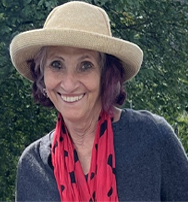 Pattie Trumble, MPP, MPH
Pattie Trumble is a nurse who worked in both California and New York for many years as an emergency room nurse. She holds a Bachelor’s Degree in Economics from the University of California, Berkeley, and an Associate Degree in Nursing from the Samuel Merritt Hospital School of Nursing. After 10 years of providing direct care, she went back to school and earned concurrent Master’s degrees in both public policy and public health from the University of California, Berkeley. Thereafter, she worked for various public health agencies in California at both the community and state levels providing economic and legislative analysis.
Popular Related Articles