10 Best DNP Programs in Missouri – 2026
Written By: Pattie Trumble, MPP, MPH
 Wondering how to rise to the top of the nursing profession in the Show Me State? Check out DNP programs in Missouri! Whether your passion is clinical practice or nurse leadership, a Doctor of Nursing Practice degree will expand your scope of practice in a way that will lead to a higher salary, better employment opportunities, and more personal satisfaction. In the Show Me State, on average, DNP-educated nurses make $125,690 annually, and demand for their services is projected to soar 42 percent in ten years. Learn more by looking through this guide to the 10 best DNP programs in Missouri.
WHAT ARE THE BEST DNP PROGRAMS IN MISSOURI (ONLINE & CAMPUS) FOR 2026?
Based on our Ranking Methodology, listed below are the 10 Best Doctor of Nursing Practice programs in Missouri (Online & Campus) for 2026.
1. University of Missouri-Kansas City - Kansas City
Programs Offered: BSN-to-DNP and MSN-to-DNP
BSN-to-DNP Specialties Offered: Adult Gerontology Primary Care Nurse Practitioner, Family Nurse Practitioner, Pediatric Primary Care Nurse Practitioner, Pediatric Acute Care Nurse Practitioner, Women's Health Nurse Practitioner, Psychiatric Mental Health Nurse Practitioner, and Certified Registered Nurse Anesthesia (CRNA)
MSN-to-DNP Specialties Offered: Adult Gerontology Primary Care Nurse Practitioner, Family Nurse Practitioner, Neonatal Nurse Practitioner, Pediatric Acute Care Nurse Practitioner, Pediatric Primary Care Nurse Practitioner, Women's Health Nurse Practitioner, and Psychiatric Mental Health Nurse Practitioner
UMKC also offers a Certified Registered Nurse Anesthesia (CRNA) track in conjunction with its BSN-to-DNP degree. This track, affiliated with the University Health Truman Medical Center School of Nurse Anesthesia, involves 74 credits and a minimum of 2,000 clinical practice hours. It will take you nine semesters (36 months) to complete the CRNA curriculum, and the program typically accepts 24 new students in the summer semester. You'll attend classes and complete practicum experiences at the Truman Medical Center.
New cohorts can enroll in UMKC's nurse practitioner tracks in the spring, summer, and fall semesters. Full-time students will complete their studies in 11 semesters (44 months), while part-time students will complete them in 14 semesters (56 months). The NP tracks are offered in synchronous and asynchronous formats online, using Canvas software. You'll have to visit the university's campus for two or three days at least once a semester, usually during clinical courses. You'll be able to complete your practicum requirements, though, in a healthcare facility close to your own home. All DNP students are required to attend a five-day on-campus orientation prior to the start of classes.
The NP tracks share a common core DNP curriculum with classes like "Healthcare Outcomes and Epidemiology," "Application of Evidence-based Practice I & II," and "Healthcare Policy & Advocacy." Foundational DNP coursework for CRNA students is more specifically tailored to nurse anesthesia practice. Both sets of students will complete a DNP project, focusing on solving a challenge they've encountered in their chosen practice setting.
All BSN-to-DNP applicants must have an undergraduate GPA of 3.2 or higher. Applicants to the CRNA track must have at least one year of critical care experience, hold Basic Life Support (BLS), Advanced Cardiac Life Support (ACLS), and Critical Care Registered Nurse (CCRN) certification, and be licensed RNS in Missouri. Applicants to the nurse practitioner tracks must have a minimum of one year of patient care experience in the practice setting to which they're applying.
MSN-to-DNP Program Details: In addition to the six nurse practitioner tracks associated with the University of Missouri-Kansas City's BSN-to-DNP track, the university's MSN-to-DNP program also offers a Neonatal Nurse Practitioner specialty. Each of these tracks entails 31 credits and 600 clinical hours. (You'll be able to transfer some of your MSN clinical hours to make up the 1,000-hour DNP requirement.) Core DNP courses, including the DNP project, are identical to those in the BSN-to-DNP curriculum.
Full-time students will graduate in six semesters (24 months); part-time students will graduate in nine semesters (36 months). Applicants must have a cumulative GPA of 3.5 or higher. This program is specifically designed for APRNs who are interested in acquiring a second clinical concentration while leveling up their leadership skills. If you hold a non-clinical MSN, you can still be admitted into the program; however, the university will develop an individualized study plan for you, and you will take longer to graduate. All applications must be submitted through NursingCAS.
Must-Know Highlights For Potential Students
• 100 percent of the University of Missouri-Kansas City's CRNA grads pass the National Certification Exam the very first time they take it.• UMKC's nurse practitioner grads boast a 99 percent pass rate on their national NP practice certification examinations.
2. University of Missouri - Columbia
Programs Offered: BSN-to-DNP and MSN-to-DNP
BSN-to-DNP Specialties Offered: Adult-Gerontology Clinical Nurse Specialist, Family Nurse Practitioner, Pediatric Clinical Nurse Specialist, Pediatric Nurse Practitioner – Primary Care, and Psychiatric & Mental Health Nurse Practitioner (Across the Lifespan)
MSN-to-DNP Specialties Offered: Adult-Gerontology Clinical Nurse Specialist, Family Nurse Practitioner, Nursing Leadership & Innovations in Health Care, Pediatric Clinical Nurse Specialist, Pediatric Nurse Practitioner – Primary Care, and Psychiatric & Mental Health Nurse Practitioner (Across the Lifespan)
Key coursework in the DNP curriculum includes "Advanced Nursing Roles and Professional Communication," "Translational Evidence-Based Nursing Practice," and "Health Program Design and Management." You'll also participate in a DNP project, giving you the chance to showcase your project design, data collection, and evaluation skills as you identify a clinical problem and implement an evidence-based intervention for it. You'll spend around 30 hours a week on classes, homework, and studying.
This DNP program in Missouri is designed to be a convenient way for working RNs to pursue their educational goals, offering full-time and part-time enrollment options. Most full-time students can complete the program in 12 semesters (48 months). As a part-time student, however, you can graduate in 15 (60 months) or 18 (72 months) semesters. You'll begin your studies in either the fall or spring semester. To apply, you must have a cumulative GPA of 3.3 or higher.
MSN-to-DNP Program Details: In addition to the five clinical tracks associated with Mizzou's BSN-to-DNP program, the university's MSN-to-DNP pathway includes a non-clinical specialty in Nursing Leadership and Innovations in Health Care, which has no campus residency requirement. The Nursing Leadership and Innovations in Health Care track can involve anywhere from 36.5 to 61 credits, depending upon your previous academic record and professional experience; the other tracks entail the same number of credits as the equivalent BSN-to-DNP tracks.
All six tracks feature the same core DNP courses—including the DNP project—that are part of Mizzou's BSN-to-DNP track, too, and take the same amount of time to complete. If you're thinking of applying to this program, you must have a GPA of 3.5 or higher in your nursing master's studies.
Must-Know Highlights For Potential Students
• Mizzou's clinical nurse practitioner tracks focus on delivering healthcare services to rural and other medically underserved patient populations.• Students completing the MSN-to-DNP/Nursing Leadership and Innovations in Health Care program may be eligible to sit for the Executive Nursing Practice, Certified Nurse Manager and Leader, or Nurse Executive Board Certified certification examinations.
3. Saint Louis University - Saint Louis
Programs Offered: BSN-to-DNP and MSN-to-DNP
BSN-to-DNP Specialties Offered: Adult/Gerontological Acute Care Nurse Practitioner, Family Nurse Practitioner, Pediatric Primary Care Nurse Practitioner, and Family Psychiatric-Mental Health Nurse Practitioner
MSN-to-DNP Specialties Offered: Advanced Nursing Practice and Nurse Executive Leader
SLU offers a 64-credit BSN-to-DNP/AGACNP track, a 66-credit BSN-to-DNP/FNP track, a 68-credit BSN-to-DNP/PMHNP track, and a 64-credit BSN-to-DNP/PPCNP track. All four concentrations provide an identical DNP core that includes courses like "Evidence-Based Practice I & II," "Ecological Approach to Human Behavior," and "Principles of Practice Management." Your studies will culminate in a scholarly DNP project.
This DNP program in Missouri admits new students in the fall semester. Full-time students will graduate in 10 semesters (40 months), but Saint Louis University also offers part-time enrollment. All students must have an undergraduate grade point average of 3.2 or higher and at least one year of professional nursing experience. Since all students must do a residency in a St. Louis-based healthcare facility, all students must have a Missouri RN license in addition to a valid license in the other states where they will be doing clinical rotations.
MSN-to-DNP Program Details: Are you an MSN-educated nurse looking for ways to enhance your employment and salary prospects? Saint Louis University's compact 30-credit MSN-to-DNP program consists of core DNP courses, with no additional requirements. As a full-time student, you'll be able to complete the curriculum in four semesters (20 months), making just one trip to the university's campus in St. Louis.
The program accepts both APRNs and nurses with an MSN in a non-clinical concentration, offering both Advanced Nursing Practice and Nurse Executive Leader emphases. You can do clinical rotations at healthcare facilities in your own community and transfer MSN clinical hours to fulfill your 1,000-hour DNP requirement. Classes start in the fall semester. Applicants must have a GPA of 3.2 or higher.
Must-Know Highlights For Potential Students
• Although Saint Louis University is a Catholic institution in the Jesuit tradition, its DNP curriculum does not adhere to Catholic doctrine, and it welcomes students from all religious backgrounds.• First-time pass rate on national certification exams for Saint Louis University FNP and PPCNP alumni is greater than 94 percent.
• Saint Louis University cannot accept applicants from Connecticut, Louisiana, Maine, Maryland, Massachusetts, New York, North Dakota, Oregon, Pennsylvania, Rhode Island, or Wyoming into its MSN-to-DNP program.
4. Maryville University - St. Louis
Programs Offered: BSN-to-DNP and MSN-to-DNP
BSN-to-DNP Specialties Offered: Family Nurse Practitioner, Adult-Gerontology Primary Care Nurse Practitioner, Adult-Gerontology Acute Care Nurse Practitioner, Pediatric Primary Care Nurse Practitioner, and Psychiatric Mental Health Nurse Practitioner
MSN-to-DNP Specialties Offered: Family Nurse Practitioner, Adult-Gerontology Primary Care Nurse Practitioner, Adult-Gerontology Acute Care Nurse Practitioner, Pediatric Nurse Practitioner, and Psychiatric Mental Health Nurse Practitioner
Foundational DNP courses like "Foundations of Clinical Scholarship," "Integrating and Synthesizing Research," and "Quality and Patient Safety in Advanced Nursing Practice" will prepare you to tackle a three-semester DNP project, where you'll apply your newly learned research skills to solving a clinical or delivery problem you've encountered during your practicums.
New cohorts can begin the program in the spring, summer, or fall semester and graduate in as few as 10 semesters (40 months). A cumulative grade point average of 3.25 or better and one year or more of professional nursing experience are prerequisites for all applicants.
MSN-to-DNP Program Details: Maryville University's MSN-to-DNP program offers the same five concentrations as its BSN-to-DNP program and is structured in the same way, with a single campus visit and an asynchronous distance-learning curriculum delivery format. You don't have to pursue one of its MSN-to-DNP specialties, however. If you're already an APRN, you can streamline your study plan to include only the DNP core and graduate in five semesters (20 months). You'll complete 11 courses (33 credits), including a DNP project. If you want to add a new NP specialty to your portfolio of professional skills, you'll take an additional 17 credits and graduate in nine semesters (36 months). The MSN-to-DNP program offers entry points in the fall, spring, and summer. Applicants must have a minimum GPA of 3.25 and at least one year of experience working as an RN.
Must-Know Highlights For Potential Students
• Maryville University's FNP grads have a 91 percent first-time pass rate, and its AGACNP grads have a 92 percent first-time pass rate on their nurse practitioner certification exams.• Maryville University doesn't maintain a waiting list. Once you're accepted into the DNP program, you can enroll in the next entry point.
5. University of Missouri - St. Louis
Programs Offered: BSN-to-DNP and MSN-to-DNP
BSN-to-DNP Specialties Offered: Adult-Gerontology Nurse Practitioner - Primary Care, Family Nurse Practitioner - Primary Care, Pediatric Nurse Practitioner - Primary Care, Pediatric Nurse Practitioner - Acute Care, Psychiatric-Mental Health Nurse Practitioner, and Women's Health Nurse Practitioner - Primary Care

Though this DNP program in Missouri is offered chiefly online, you will be required to make four visits to the university's campus for two- to three-day skills intensives. Core DNP curriculum courses will include "Research, Interventions and Evidence-Based Practice," "Evidence-Based Practice for the DNP," and "Program Evaluation and Quality Management in Healthcare." All students complete a three-semester DNP project that aims to implement a practice change that improves healthcare outcomes at either the patient or organizational level.
As a full-time student, you should be able to graduate in nine semesters (36 months). Part-time students can complete the program in 12 semesters (48 months). New students begin classes in the fall. Applicants to the PACNP track must have at least one year of professional experience working in a pediatric setting, and applicants to the PMHNP track must have at least one year of professional experience working in a psychiatric setting. All applications must be submitted through NursingCAS.
MSN-to-DNP Program Details: Are you an MSN-prepared nurse seeking a quick way to qualify for top healthcare leadership roles at the clinical or organizational level? The University of Missouri-St. Louis offers a 33-credit MSN-to-DNP pathway that you can complete in just six semesters (24 months) if you enroll full-time. You'll take the same courses that students enrolled in the longer BSN-to-DNP program take, and you'll complete a DNP project. You'll only have to participate in 400 clinical hours, though: You'll be able to transfer over the additional hours you need to meet the DNP requirement from your MSN studies.
Must-Know Highlights For Potential Students
• The University of Missouri-St. Louis also offers a dual BSN-to-DNP/PACNP + PPCNP program.• UMSL's BSN-to-DNP program has a direct admission option for high-achieving BSN graduates from its own nursing bachelor's program.
6. Webster University - St. Louis
Programs Offered: DNAP, CRNA-to-DNAP
DNAP Specialties Offered: Nurse Anesthesia
CRNA-to-DNAP Specialties Offered: Health Administration

Competition for admission is highly competitive. Every year, 60 to 80 candidates apply for 24 spots. Successful applicants will have a strong science background, at least one year of adult ICU experience, and BLS, ACLS, Pediatric Advanced Life Support (PALS), and CCRN certification, as well as RN licensure in Missouri, Illinois, and Kentucky. You must also spend a set amount of time shadowing a professional CRNA. Once accepted into the program, your courses will begin in the summer.
The curriculum consists of 141 credits, most of which you will have to take in person at the university's campus in St. Louis. Clinical experiences begin in the fifth term at the university's 30 affiliate clinical sites throughout Missouri, Kentucky, and Illinois, and include prestigious hospitals and medical centers such as St. Louis University Hospital, Mercy St. Louis, Missouri Baptist Medical Center, and the University of Missouri Hospital Center.
The seven courses that comprise the core of Webster University's doctoral program, however, are offered online. These include classes such as " Translational Research," "Advanced Practice Nurse Role in Leadership and Health Care," and " Organization and Management in Health Administration" that aim to give you the theory and tools to execute a scholarly project equivalent to the DNP project that more traditional BSN-to-DNP programs require.
Webster University's DNAP program is rigorous. Throughout your first year, you'll attend classes five days a week, participating in multiple simulations. In your second year, you'll spend two days a week in the classroom and three in clinical experiences. In your third and final year, clinical practicums will increase to four days a week.
CRNA-to-DNAP Program Details: Webster University's CRNA-to-DNAP program is expressly designed for nurse anesthetists with an interest in clinical practice-oriented leadership who aspire to oversee an anesthesia practice or the anesthesia department of a busy healthcare organization. The curriculum includes the same nursing theory courses that comprise the doctoral component of the DNAP program.
This 32-credit program is offered online, primarily in an asynchronous format, and most students can complete it in 15 to 17 months. The program does not have a clinical component; to be admitted, you must be a practicing CRNA with an MSN in Nurse Anesthesia from an accredited nursing program and have at least one year of professional nurse anesthetist experience.
Must-Know Highlights For Potential Students
• First-time National Certification Exam pass rates for Webster University's CRNA graduates are 92 percent.• Webster University follows a nine-week term system, and there are five nine-week terms in every academic year: Spring I, Spring II, Summer, Fall I, and Fall II.
7. Missouri State University - Springfield
Programs Offered: BSN-to-DNP and MSN-to-DNP
BSN-to-DNP Specialties Offered: Adult Gerontology-Acute Care Nurse Practitioner, Family Nurse Practitioner, Practice Leadership, and Psychiatric-Mental Health Nurse Practitioner
MSN-to-DNP Specialties Offered: Leadership
Though you'll be able to access many of your educational materials online, you must attend classes at the university's campus in Springfield at least one day a week. Online coursework relies on a blend of synchronous and asynchronous formats. You'll be able to arrange practicums in your own local community; however, all preceptors and sites must be approved by your specialty Program Coordinator. If you choose to pursue clinical rotations in Missouri, your placements will include prestigious healthcare facilities like Cox Healthcare and Mercy Hospital.
Core DNP courses like "Research Methods for the Health Professions," "Emerging Science and Methods of Advanced Practice," and "Leadership and Innovation in Population Health Nursing" will prepare you to complete a scholarly DNP project in your final semester. Missouri State University accepts new students into its BSN-to-DNP pathway in the fall semester. Applicants must have a cumulative GPA of 3.25 or higher. Submit your application through NursingCAS.
MSN-to-DNP Program Details: Missouri State University's 42-credit MSN-to-DNP/Leadership option is a mostly online track that requires one to two visits to the university's Springfield campus throughout the course of the program. It offers the same foundational DNP courses that students enrolled in the BSN-to-DNP program take. Most full-time students can complete this degree in five semesters (20 months), but the university also offers part-time enrollment.
Must-Know Highlights For Potential Students
• Missouri State University's FNP grads have a first-time pass rate of 100 percent on their nurse practitioner certification examinations.• Missouri State University also offers two doctoral-level programs for training nurse anesthetists. The first, an RN-to-Doctor of Nurse Anesthesia Practice (DNAP) pathway, is a 119-credit program designed for nurses who want to pursue CRNA certification while they earn a nursing doctoral degree; the second, a 27-credit CRNA-to-DNAP program, was developed for licensed nurse anesthetists who need to acquire a doctoral degree to comply with the Council on Accreditation of Nurse Anesthesia Educational Programs that all nurse anesthetists must have doctoral degrees by 2026.
• Missouri State University's DNP curriculum places a special emphasis on improving health outcomes for members of rural and vulnerable populations.
8. Goldfarb School of Nursing at Barnes-Jewish College - St. Louis
Programs Offered: BSN-to-DNP and MSN-to-DNP
BSN-to-DNP Specialties Offered: Health Systems Executive Nurse Leadership, Adult-Gerontology Primary Care Nurse Practitioner, Adult-Gerontology Acute Care Nurse Practitioner, Family Nurse Practitioner, and Nurse Anesthesia
Although the program has some online components, it is essentially a campus-based program. You will pursue a core DNP curriculum, including classes like "Foundations of Scholarly Writing and Evidence-Based Practice," "Designing Care Delivery Alternatives," and "Informatics, Economics, & Financial Principles," in classrooms at the university's campus in St. Louis. You'll participate in clinical experiences at the Barnes-Jewish Hospital and other medical centers in the Greater St. Louis Metropolitan Area, such as Barnes West County, St. Louis Children's, and Missouri Baptist Medical Center.
Core DNP courses like "Foundations of Scholarly Writing and Evidence-Based Practice," "Leadership & Collaboration for Quality & Safety," and "Designing Care Delivery Alternatives" will lay the groundwork for a three-semester DNP project. You'll graduate in nine semesters (36 months). The fall and spring semesters are 15 weeks long, while the summer semester is 13 weeks long. Goldfarb accepts new cohorts into its BSN-to-DNP program in the spring semester.
The Nurse Anesthesia accepts BSN- and MSN-educated applicants with one or more years of critical care experience and BLS, ACLS, and PALS certification. Applicants to any of the three NP tracks must have BLS certification, and applicants to the AGACNP track must have at least one year of professional nursing experience. All applicants must have a Missouri RN license.
MSN-to-DNP Program Details: If you already have a nursing master's degree, but you want to position yourself better for leadership roles within the healthcare sector, the Goldfarb School of Nursing's 30-credit MSN-to-DNP program may be just what you need. It's a streamlined version of the BSN-to-DNP curriculum with only the foundational DNP coursework. The program is offered entirely online, and you'll be able to pursue its clinical component at a healthcare facility in your own community. You'll also be able to transfer up to 500 clinical hours from your MSN program. You'll graduate in six semesters (24 months). New students begin the program in the spring semester.
Must-Know Highlights For Potential Students
• Despite its name, Barnes-Jewish College’s name does not reflect any religious affiliation; the college is a secular institution.• U.S. News & World Report ranks the Nurse Anesthesia track at the Barnes-Jewish College Goldfarb School of Nursing the 11th-best of its kind in the nation.
• Graduates of the Health Systems Executive Nurse Leadership track are eligible to sit for the Nursing Leadership certification exam given by the American Nurses Credentialing Center (ANCC) and the American Organization of Nurse Leaders (AONL).
• The Goldfarb School of Nursing at Barnes-Jewish College offers a unique DNP/PhD dual degree program. It was the first school in the nation to do so.
9. A.T. Still University - Kirksville
Programs Offered: MSN-to-DNP

The 33-credit curriculum is made up of core DNP courses such as "Nursing Inquiry, Evidence-Based Practice, and Change," "Quality Improvement and Performance Excellence," and "Population Health: Program Development and Evaluation," and includes a four-semester DNP project. The program has four start dates per year, and students can expect to graduate in 21 to 24 months.
Must-Know Highlights For Potential Students
• A.T. Still University offers an online certificate of education in conjunction with its DNP program that will prepare you to be a nurse educator.• In addition to its nursing program, A.T. Still University also houses a very well-respected osteopathic medical school.
10. Graceland University - Independence
Programs Offered: MSN-to-DNP
This DNP program in Missouri is online, and you'll be able to participate in clinical experiences at a healthcare facility in the vicinity of your own home. The program is designed for part-time study: Most students can complete it in six semesters (24 months). Entry points are in the spring, summer, and fall.
Must-Know Highlights For Potential Students
• Despite Graceland University's affiliation with the Community of Christ, a Church of the Latter Day Saints denomination, its nursing curriculum doesn't reflect religious doctrines, and it admits students from all faith backgrounds.• Graceland University also offers a 62-credit to 65-credit BSN-to-DNP program with three clinical specialties: Family Nurse Practice, Adult & Gerontology Acute Care Nurse Practitice, and Psychiatric Mental Health Nurse Practitice.
• Interested in branching out into nursing education? Graceland University offers a post-master's Nursing Education certificate that you can easily couple with your MSN-to-DNP studies.
FREQUENTLY ASKED QUESTIONS ANSWERED
1. Who Accredits DNP Programs In Missouri?
| S.No. | Accrediting Agency |
| 1 | Accreditation Commission for Education in Nursing (ACEN) |
| 2 | Commission on Collegiate Nursing Education (CCNE) |
2. How Many Schools Offer Accredited DNP Programs In Missouri?
| 10 |
3. What Is The Average DNP Salary In Missouri?
| Hourly | $60.43 |
| Weekly | $2,417 |
| Monthly | $10,470 |
| Annual | $125,690 |
4. On Average, How Much Do Entry-Level DNP Graduates Make In Missouri?
| Hourly | $44.46 |
| Weekly | $1,778 |
| Monthly | $7,710 |
| Annual | $92,470 |
5. On Average, How Much Do Experienced DNP Graduates Make In Missouri?
| Level of Experience | Hourly | Weekly | Monthly | Annual |
| 1-4 Years of Experience | $50.30 | $2,012 | $8,720 | $104,630 |
| 5-9 Years of Experience | $59.38 | $2,375 | $10,290 | $123,510 |
| 10-19 Years of Experience | $66.13 | $2,645 | $11,460 | $137,550 |
| 20 Years or More Experience | $79.02 | $3,161 | $13,700 | $164,370 |
6. What Is The Average DNP Salary In Missouri By Metro?
| Metro | Hourly | Weekly | Monthly | Annual |
| Cape Girardeau | $60.82 | $2,433 | $10,540 | $126,500 |
| Columbia | $57.81 | $2,313 | $10,020 | $120,250 |
| Jefferson City | $58.62 | $2,345 | $10,160 | $121,930 |
| Joplin | $60.82 | $2,433 | $10,540 | $126,500 |
| Kansas City | $63.10 | $2,524 | $10,940 | $131,240 |
| St. Joseph | $63.10 | $2,524 | $10,940 | $131,250 |
| St. Louis | $61.18 | $2,447 | $10,610 | $127,260 |
| Springfield | $57.00 | $2,280 | $9,880 | $118,560 |
7. Average DNP Salary In Missouri VS. Average Salaries Of Other Closely Related Occupations In Missouri
| Job Title | Average Annual Salary | Difference | |
| Number | % | ||
| Podiatrist | $200,420 | -$74,730 | -37.29% |
| Pharmacist | $132,570 | -$6,880 | -5.19% |
| Physician Assistant | $128,280 | -$2,590 | -2.02% |
| Nurse With DNP | $125,690 | $0 | 0.00% |
| Optometrist | $109,890 | +$15,800 | +14.38% |
| Veterinarian | $104,380 | +$21,310 | +20.42% |
| Audiologist | $96,510 | +$29,180 | +30.24% |
| Physical Therapist | $91,030 | +$34,660 | +38.08% |
| Occupational Therapist | $87,970 | +$37,720 | +42.88% |
| Radiation Therapist | $85,630 | +$40,060 | +46.78% |
| Speech-Language Pathologist | $80,730 | +$44,960 | +55.69% |
| Dental Hygienist | $79,740 | +$45,950 | +57.62% |
| Chiropractor | $72,730 | +$52,960 | +72.82% |
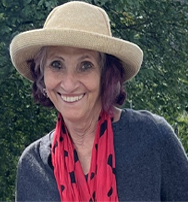 Pattie Trumble, MPP, MPH
Pattie Trumble is a nurse who worked in both California and New York for many years as an emergency room nurse. She holds a Bachelor’s Degree in Economics from the University of California, Berkeley, and an Associate Degree in Nursing from the Samuel Merritt Hospital School of Nursing. After 10 years of providing direct care, she went back to school and earned concurrent Master’s degrees in both public policy and public health from the University of California, Berkeley. Thereafter, she worked for various public health agencies in California at both the community and state levels providing economic and legislative analysis.
Popular Related Articles