DNP Programs in South Dakota – 2026
Written By: Darby Faubion RN, BSN, MBA
 Are you an RN in the Mount Rushmore State who’s interested in becoming part of the nursing profession’s future? Consider enrolling in one of the DNP programs in South Dakota. A DNP is rapidly becoming the standard for advanced clinical nursing practice. DNPs are also better prepared to lead patient care teams, healthcare organizations, and facilities. Healthcare employers place a high value on a Doctor of Nursing Practice diploma: Employment opportunities for DNP-educated nurses will rise by 56 percent within one decade. You’ll receive excellent compensation, too, with a salary that averages $130,320 a year. Start planning your future now! The list below of the best DNP programs in South Dakota is an excellent resource.
WHAT ARE THE BEST DNP PROGRAMS IN SOUTH DAKOTA (ONLINE & CAMPUS) FOR 2026?
Based on our Ranking Methodology, listed below are the Best Doctor of Nursing Practice programs in South Dakota (Online & Campus) for 2026.
1. South Dakota State University - Brookings
Programs Offered: BSN-to-DNP and MSN-to-DNP
BSN-to-DNP Specialties Offered: Family Nurse Practitioner, Psychiatric Mental Health Nurse Practitioner, and Clinical Nurse Leader
BSN-to-DNP Specialties Offered: Family Nurse Practitioner and Psychiatric Mental Health Nurse Practitioner

The Family Nurse Practitioner and Psychiatric Mental Health Nurse Practitioner programs require 78 and 75 credits, respectively. The Clinical Nurse Leader pathway is a 54-credit program. Each curriculum plan includes advanced core courses, including Pharmacotherapeutics Across the Lifespan, Pathophysiology Across the Lifespan Advanced Practice, and Advanced Concepts in Health Promotion & Disease Prevention.
All DNP students must complete at least 1,000 precepted clinical hours; however, most students complete more than the minimum required. The APRN Program Director and Clinical Placement Team work with you to determine appropriate clinical placements. When possible, you may complete clinicals in your geographic area.
BSN-to-DNP Admission Requirements: Besides meeting Graduate School admissions requirements, applicants seeking admission to the BSN-to-DNP program at South Dakota University must meet the following criteria. Candidates must have earned a bachelor's degree in nursing from an ACEN- or CCNE-accredited nursing program if the degree was earned in the U.S. or a degree deemed equivalent to a BSN by the World Education Service if the degree was earned outside of the U.S. All applicants must have a current, unrestricted RN license in the United States or its territories and 1,500 hours of documented nursing practice experience prior to the first clinical course.
Each applicant must complete a Graduate School Application for Admission and a NursingCAS Application. Additionally, you must provide official transcripts from all post-secondary schools you have attended and have a minimum cumulative college GPA of 3.0 on a 4.0 scale. You will need to answer the required essay questions and provide a copy of your professional resume or curriculum vitae and three letters of recommendation.
MSN-to-DNP Program Details: At South Dakota State University, master’s-prepared registered nurses with or without a current advanced practice certification have a pathway to earning a DNP.
The Family Nurse Practitioner specialty is designed for MSN-prepared nurses who hold a degree in a non-FNP specialty. This pathway is a four-year program that features a 69-credit curriculum. The Psychiatric Mental Health Nurse Practitioner program is a three-year program requiring 58-62 credits.
If you have a master’s degree and a current advanced practice nurse certification as a nurse practitioner, nurse midwife, clinical nurse specialist, or nurse anesthetist, you can earn a DNP in three years without pursuing an additional specialty certification. Students who choose this pathway complete between 31 and 36 credits.
A GAP analysis is utilized to determine the number of clinical hours from your master's program that may be applied to the DNP. You will be required to accomplish at least 1,000 post-bachelor's clinical hours.
MSN-to-DNP Admission Requirements: Candidates desiring admission to the post-master's DNP program must have a Master of Science in Nursing degree from an ACEN- or CCNE-accredited nursing program or the equivalent and a current, unencumbered license to practice as a registered nurse. Candidates must provide three letters of recommendation, an admissions essay, a CV or professional resume, and official transcripts from all colleges or universities where college credits were attempted. A minimum college grade point average of 3.0 is required.
Must-Know Highlights For Potential Students
• One factor I encourage prospective graduate nursing students to consider when choosing a program is student success when taking national certification exams. If program graduates have good first-time pass rates, that is a good indication that the program is strong and equipped to prepare you for your chosen specialty and future role. According to the American Academy of Nurse Practitioners Certification Board, South Dakota State University DNP program graduates have outstanding APRN pass rates, which makes the school an excellent choice for earning your degree!• South Dakota State University has several nursing scholarships for which all DNP students may apply, including the Disadvantage Nursing Students Scholarships and American Indians into Nursing Scholarship. In the 2022-2023 academic year, the school awarded nearly $1 million in scholarships to nursing students!
2. Mount Marty University - Yankton
Programs Offered: BSN-to-DNP and MSN-to-DNP
BSN-to-DNP Specialties Offered: Nurse Anesthesia
BSN-to-DNP Specialties Offered: Nurse Anesthesia, Nursing Leadership and Education
During the didactic phase of the program, you will spend two weeks at your primary clinical site. In the clinical phase, 90% of your time will be completed in a clinical setting, and the remaining 10% of your time will be spent in didactic instruction.
The program begins with nursing courses, including Advanced Health Assessment for the Nurse Anesthetist, Biostatistics & Epidemiology, and Anesthesia Principles. As you progress in the program, more advanced coursework and clinical practicums occur.
BSN-to-DNP Admission Requirements: To be accepted to the BSN-to-DNP Nurse Anesthesia program, applicants must have a bachelor’s degree in nursing OR an associate degree in nursing AND a non-nursing bachelor’s degree. The nursing degree must have been earned at an ACEN- or CCNE-accredited nursing program. Candidates must have current RN licensure without restrictions and a minimum of one year of full-time experience as a registered nurse in critical care. (Two years of work experience is preferred.) Additionally, all applicants must have a cumulative college GPA of 3.0 or higher and must have completed one chemistry course and one elementary statistics or epidemiology course.
You will begin the admissions process by completing an application via NursingCAS. All applicants must provide official transcripts from any college or university where credit was attempted, a current CV or resume, a personal essay, and three professional references. References should be as follows: one from a nursing unit manager or director, one from a critical care unit coordinator or shift supervisor, and one from a professional colleague.
MSN-to-DNP Program Details: The MSN-to-DNP program is available with the opportunities to specialize in Nurse Anesthesia or Nurse Leadership and Education.
The post-master's Nurse Anesthesia program is a 24-month program that is delivered primarily through distance education with face-to-face encounters on campus each semester. The program features a 23-credit curriculum. You will complete at least 1,000 experiential practice hours between your master’s and doctoral programs to meet graduation requirements.
The MSN-to-DNP Nursing Leadership and Education pathway is a 34-credit program that takes seven semesters to complete. In this program, you will study Quality Improvement & Resource Utilization in Healthcare, DNP Application of Evidence-Based Practice, Organizational, Systems, & Transformational Leadership, and Teaching & Curriculum Design. The post-master's Nursing Leadership and Education DNP has 400 clinical practicum hours embedded in its curriculum. However, you may need additional clinical hours, depending on the number of clinical hours you completed in your master's nursing program.
MSN-to-DNP Admission Requirements: Candidates seeking admission to the MSN-to-DNP Nurse Anesthesia program at Mount Marty University must have a master's degree in nursing, be a graduate of an accredited (COA) Nurse Anesthesia program, and have a current RN license and current certification as a CRNA. Post-master's DNP candidates seeking the Nursing Leadership and Education pathway must have either an MSN from an accredited nursing program, a graduate nurse anesthesia degree, or a BSN and a non-nursing business- or health-related master’s degree.
After completing an admissions application, you must provide a personal essay, a professional resume, or curriculum vitae. Candidates must provide three letters of recommendation, one from an immediate supervisor and two from colleagues who can attest to the applicant's initiative, preparation, and aptitude for success in the doctoral program. Official transcripts from any post-secondary school you have attended reflecting a minimum 3.0 GPA and documenting that you have taken a Nursing Research or Evidence-Based Practice course, the "3 P's," and a Graduate Statistics course are also required.
Must-Know Highlights For Potential Students
• The DNP programs in South Dakota at Mount Marty University boast experienced faculty. You will learn from doctoral-prepared nurses with decades of combined experience in clinical nursing and education who are genuinely dedicated to your success in the program and your career after graduation.• The DNP program at Mount Marty University reports excellent retention and completion rates, which is a great indication of student satisfaction as well as the strength and quality of the program.
3. University of South Dakota - Vermillion
Programs Offered: BSN-to-DNP and MSN-to-DNP
BSN-to-DNP Specialties Offered: Nurse Anesthesia
BSN-to-DNP Specialties Offered: Organizational & System Leadership
The 84-credit curriculum features classes, including Advanced Pharmacology for Nurse Anesthesiology, Coexisting Pathologies & Anesthesia Implications, and Advanced Health Assessment for Nurse Anesthesiology Practice. The curriculum includes five clinical residency courses through which anesthesia concepts are integrated through clinical practice experiences. You will participate in the development, implementation, and evaluation of comprehensive anesthesia plans for diverse patient populations based on evidence-based practices.
BSN-to-DNP Admission Requirements: For admission consideration for the BSN-to-DNP Nurse Anesthesia program, candidates must possess a Bachelor of Science in Nursing or an entry-level master’s degree in nursing from an accredited nursing program and have a minimum undergraduate grade point average of 3.0. Candidates must have a minimum of one year of current full-time experience in a critical care or intensive care setting, current ACLS for healthcare providers, BLS for healthcare providers, and CCRN certifications. Applicants must complete an application through NursingCAS. All candidates must provide a 500-1000-word written statement addressing advanced practice goals, three letters of recommendation, and a current CV or resume. Additionally, you must provide a shadow experience log indicating a minimum of eight hours of anesthesia shadowing.
MSN-to-DNP Program Details: The post-master's Doctor of Nursing Practice with Organizational & System Leadership is another excellent DNP program in South Dakota. The program features a 100% online learning format, making it a great choice for working professionals. New classes begin in the spring semester each year. The program takes approximately two years to complete.
Depending on your academic and clinical background, the MSN-to-DNP program can be completed with as few as 36 credits or up to 43 credits. The curriculum features classes, including Leadership Development in Quality Improvement in Nursing for Health Systems, Managing Health Services Resources, Scientific Underpinnings & Evidence-Based Practice, and Leadership Development in Healthcare Business.
All DNP students must complete at least 1,000 post-baccalaureate clinical hours. The University of South Dakota may accept up to 280 supervised clinical practicum hours from your master’s nursing program.
MSN-to-DNP Admission Requirements: To be considered for admission to the MSN-to-DNP program, you must have a Bachelor of Science in Nursing and a Master of Science in Nursing earned from schools with institutional accreditation. In addition to completing a NursingCAS application, you must provide official transcripts from all post-secondary schools you have attended. A minimum cumulative GPA from your master's nursing program is required for full admission. Applicants must provide a Professional Goal Statement, three professional letters of recommendation, a professional resume, a copy of their current RN license, and a verification of clinical hours from their master's nursing program.
Must-Know Highlights For Potential Students
• At the University of South Dakota, you will have opportunities to learn in state-of-the-art facilities with instruction from doctoral-prepared faculty who remain active in practice. Their dedication to the nursing profession and continued learning will be passed on to you, and you will benefit from their experiences and insight.• Graduates of the University of South Dakota’s DNP programs have excellent employment rates following program completion, with many reporting finding high-paying positions relevant to their chosen specialties.
FREQUENTLY ASKED QUESTIONS ANSWERED
1. Who Accredits DNP Programs In South Dakota?
| S.No. | Accrediting Agency |
| 1 | Accreditation Commission for Education in Nursing (ACEN) |
| 2 | Commission on Collegiate Nursing Education (CCNE) |
2. How Many Schools Offer Accredited DNP Programs In South Dakota?
| 3 |
3. What Is The Average DNP Salary In South Dakota?
| Hourly | $62.65 |
| Weekly | $2,506 |
| Monthly | $10,860 |
| Annual | $130,320 |
4. On Average, How Much Do Entry-Level DNP Graduates Make In South Dakota?
| Hourly | $46.10 |
| Weekly | $1,844 |
| Monthly | $7,990 |
| Annual | $95,880 |
5. On Average, How Much Do Experienced DNP Graduates Make In South Dakota?
| Level of Experience | Hourly | Weekly | Monthly | Annual |
| 1-4 Years of Experience | $52.15 | $2,086 | $9,040 | $108,480 |
| 5-9 Years of Experience | $61.57 | $2,463 | $10,670 | $128,060 |
| 10-19 Years of Experience | $68.56 | $2,743 | $11,880 | $142,610 |
| 20 Years or More Experience | $81.93 | $3,277 | $14,200 | $170,420 |
6. What Is The Average DNP Salary In South Dakota By Metro?
| Metro | Hourly | Weekly | Monthly | Annual |
| Rapid City | $60.00 | $2,400 | $10,400 | $124,800 |
| Sioux Falls | $63.07 | $2,523 | $10,930 | $131,190 |
7. Average DNP Salary In South Dakota VS. Average Salaries Of Other Closely Related Occupations In South Dakota
| Job Title | Average Annual Salary | Difference | |
| Number | % | ||
| Dentist | $142,830 | -$12,510 | -8.76% |
| Pharmacist | $135,030 | -$4,710 | -3.49% |
| Nurse With DNP | $130,320 | $0 | 0.00% |
| Physician Assistant | $122,900 | +$7,420 | +6.04% |
| Optometrist | $115,290 | +$15,030 | +13.04% |
| Audiologist | $108,850 | +$21,470 | +19.72% |
| Veterinarian | $101,670 | +$28,650 | +28.18% |
| Physical Therapist | $89,050 | +$41,270 | +46.34% |
| Radiation Therapist | $88,640 | +$41,680 | +47.02% |
| Chiropractor | $87,450 | +$42,870 | +49.02% |
| Occupational Therapist | $81,610 | +$48,710 | +59.69% |
| Dental Hygienist | $81,330 | +$48,990 | +60.24% |
| Speech-Language Pathologist | $69,350 | +$60,970 | +87.92% |
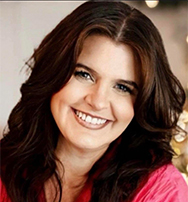 Darby Faubion, RN, BSN, MBA
Darby Faubion is a seasoned nurse, educator, and healthcare writer whose career spans nearly three decades of clinical practice, academic instruction, curriculum development, and student mentorship. Based in Louisiana, Darby has always sought to bring the warmth, resilience, and cultural richness of her home state into every aspect of her work—whether teaching future nurses, supporting families through vulnerable moments, guiding students toward success on the NCLEX, or providing insight about top nursing programs and tips for success.
Popular Related Articles