14 Best DNP Programs in Michigan – 2026
Written By: Pattie Trumble, MPP, MPH
 Interested in boosting your professional nursing career? Consider enrolling in one of the DNP programs in Michigan. A Doctor of Nursing Practice degree can prepare you to become an advanced practice RN administering top-notch patient care or a nurse leader managing a hospital unit or the hospital itself. One clue to the high regard in which RNs with DNP degrees are held is the fact that demand for their services is projected to increase by 41 percent in just 10 years. Another is the DNP-educated nurse’s average annual salary—$130,000. Ready to level up your nursing prowess? Begin by reading the list below of the 14 best DNP programs in Michigan.
WHAT ARE THE BEST DNP PROGRAMS IN MICHIGAN (ONLINE & CAMPUS) FOR 2026?
Based on our Ranking Methodology, listed below are the 14 Best Doctor of Nursing Practice programs in Michigan (Online & Campus) for 2026.
1. University of Michigan - Ann Arbor
Programs Offered: BSN-to-DNP and MSN-to-DNP
BSN-to-DNP Specialties Offered: Adult-Gerontology Acute Care Nurse Practitioner, Adult-Gerontology Primary Care Nurse Practitioner, Primary Care Family Nurse Practitioner, Nurse-Midwifery, and Nurse-Midwifery / Primary Care Family Nurse Practitioner
Core DNP coursework includes classes like "Applied Biostatistics for Clinical Practice," "Models and Theories to Inform Advanced Nursing Practice with Individuals, Communities, and Complex Systems," and "Clinical Leadership for Effective Resource Management." While a significant portion of your classes will be taught online, you'll travel regularly to the university's campus in Ann Arbor for skills labs and team-building exercises during courses in the DNP concentration you've chosen. You'll also complete a scholarly DNP project that translates research into hands-on practice. UMich's talented clinical placement staff will find you practicums at healthcare facilities in your own community. Courses start in the fall semester.
MSN-to-DNP Program Details: UMich's Master's of Science in Nursing (MSN)-to-DNP program is for you if you're an RN with a nursing master's degree who wants to lead healthcare innovation at a clinical or organizational level. The 47-credit program includes 1,000 hours of clinical practicum and can be completed in five semesters (20 months) if you pursue it full-time, or eight semesters (32 months) if you pursue it part-time. Courses begin in the fall.
You'll complete the same core DNP courses you'd take had you enrolled in the BSN-to-DNP track, including the two-semester capstone DNP track. Courses are delivered online or in a hybrid format. You'll be able to complete your clinical rotations at a healthcare facility close to where you live and work, taking advantage of UMich's network of preceptors and clinical sites throughout the U.S. You'll also be able to transfer up to 500 hours of your MSN clinicals toward your DNP clinical requirement. Applications must be submitted through NursingCAS.
Must-Know Highlights For Potential Students
• According to U.S. News & World Report, the DNP at the University of Michigan-Ann Arbor is the sixth-best clinical doctoral nursing program in the U.S.• The University of Michigan-Ann Arbor is one of only 44 nursing schools in the world to have been designated as a World Health Organization (WHO) Collaborating Center for Research and Clinical Training.
• UMich also offers DNP students the opportunity to enroll in two subspecialties: an 8-credit Global Health concentration with internship immersion possibilities in Thailand, Ghana, and the Netherlands, and a 15-credit Occupational Health Nursing concentration.
2. Michigan State University - East Lansing
Programs Offered: BSN-to-DNP and MSN-to-DNP
BSN-to-DNP Specialties Offered: Adult Gerontology Primary Care Nurse Practitioner, Family Nurse Practitioner, Psychiatric Mental Health Nurse Practitioner, and Nurse Anesthesia
The BSN-to-DNP/AGPCNP, BSN-to-DNP/Family Nurse Practitioner (FNP), and BSN-to-DNP/PMHNP tracks each entail 70 credits and a minimum of 1,000 clinical hours. MSU's BSN-to-DNP/Nurse Anesthesia track consists of 92 credits and a minimum of 2,000 clinical hours. Core DNP courses like "Biostatistics for the APRN," "Scientific Foundations for the Advanced Practice Nurse," and "Scientific Foundations for the Advanced Practice Nurse" lay the groundwork for learning the clinical skills you'll need to master for success in your chosen clinical specialty. The curriculum also includes a three-semester DNP project where you'll partner with a community-based agency or healthcare facility to bring evidence-based solutions to real-world challenges.
MSU's Clinical Placement Coordinator identifies and secures all preceptors and practicum sites. MSU partners with some of the finest hospitals and medical centers in Michigan. The BSN-to-DNP nurse practitioner tracks accept new cohorts in the fall semester, while the BSN-to-DNP/Nurse Anesthesia track starts in the summer.
MSN-to-DNP Program Details: Are you an advanced practice RN with a master's degree? Completing your MSN-to-DNP degree will enhance your leadership skills and possibly prepare you for more job opportunities and better salary prospects. MSU's streamlined MSN-to-DNP program consists of 10 classes, or 16 to 34 credits. You may take a greater or lesser number of classes depending upon the results of the gap analysis that the university will perform when you first enroll in the program.
Classes include the same foundational DNP courses BSN-to-DNP students take, as well as the three-semester DNP project. Most students complete this program in two years or less. New students start this program in the fall semester.
Must-Know Highlights For Potential Students
• The first-time pass rate for all nurse practitioner tracks at Michigan State University-East Lansing is 100 percent.• 100 percent of MSU's Nurse Anesthesia grads are employed in their field of choice within six months of completing the university's BSN-to-DNP/Nurse Anesthesia program.
3. Wayne State University - Detroit
Programs Offered: BSN-to-DNP and MSN-to-DNP
BSN-to-DNP Specialties Offered: Adult-Gerontology Nurse Practitioner — Acute Care, Adult-Gerontology Nurse Practitioner — Primary Care, Family Nurse Practitioner, Neonatal Nurse Practitioner, Pediatric Nurse Practitioner — Acute Care, Pediatric Nurse Practitioner — Primary Care, and Psychiatric-Mental Health Nurse Practitioner
MSN-to-DNP Specialties Offered: Adult-Gerontology Nurse Practitioner — Acute Care, Adult-Gerontology Nurse Practitioner — Primary Care, Family Nurse Practitioner, Neonatal Nurse Practitioner, Pediatric Nurse Practitioner — Acute Care, Pediatric Nurse Practitioner — Primary Care, and Psychiatric-Mental Health Nurse Practitioner
Like other DNP programs in Michigan, Wayne State University requires students enrolled in its DNP program to complete a minimum of 1,000 clinical hours. While you won't need a Michigan RN license to apply to this program, you'll need one by the time you start doing practicums because you'll be working in Detroit area medical facilities like Henry Ford Health, Hutzel Women's Hospital, and Detroit Receiving.
Your curriculum will consist of core DNP classes like "Evidence-based Nursing Practice: Theoretical and Methodological Issues," "Healthcare Analytic Methods, Data Management, Evaluation, Outcomes through Translation of Evidence into Practice," and "Health Policy, Economics, Ethics and Evaluation in Advanced Practice Nursing," as well as foundational APRN classes, and courses that teach you knowledge and hands-on skills for the clinical discipline you're pursuing. Moreover, all BSN-to-DNP students complete a three-semester DNP project.
Though this program is a classroom-based program taught at the university's campus in Detroit, you may be able to make arrangements to access it via a distance-learning format using synchronous technology. New students are admitted at the beginning of the fall semester. Full-time students typically complete this program in four years. Candidates must apply through NursingCAS. Those applying for the Neonatal Nurse Practitioner track should have no fewer than two years of professional experience in a Level III or IV nursery. Pediatric NP applicants need at least one year’s experience in a pediatric clinical setting, and PMHNP applicants must have a minimum of one year practicing in mental health.
MSN-to-DNP Program Details: Wayne State University offers two different types of MSN-to-DNP degrees. MSN-educated RNs who already have an APRN certification but want to hone their leadership and research skills can enroll in a 38-credit MSN-to-DNP program that comprises core DNP courses and a DNP project. MSN-educated RNs who aren't APRN-certified can enroll in a 73- to 78-credit pathway that is similar to the BSN-to-DNP course. Both pathways admit new cohorts in the fall semester. Most full-time students complete the 38-credit MSN-to-DNP program in two years.
Must-Know Highlights For Potential Students
• The U.S. Health Resources and Services Administration has awarded Wayne State University a $2.6 million grant to support tuition and education for nurse practitioners who will be working in medically underserved areas.• Wayne State University holds a prestigious Carnegie R1 status, ranking it among the nation's top research institutions, and DNP students have the opportunity to participate in cutting-edge research initiatives.
4. Grand Valley State University - Grand Rapids
Programs Offered: BSN-to-DNP and MSN-to-DNP
BSN-to-DNP Specialties Offered: Child/Adolescent Acute Care Nurse Practitioner, Dual Child/Adolescent Primary Care/Acute Care Nurse Practitioner, Family Nurse Practitioner, Psychiatric Mental Health Nurse Practitioner, Child/Adolescent Primary Care Nurse Practitioner, and Adult/Older Adult Primary Care Nurse Practitioner

Coursework is primarily taught online, but you will have to visit the university's campus in Grand Rapids once or twice a semester to participate in simulation experiences and other skills-building workshops. You'll be able to pursue clinical rotations in your own state; GVSU's dedicated placement coordinator has a network of more than 1,700 healthcare affiliates nationwide from which to find you ideal preceptors and clinical sites.
Full-time students can complete this curriculum in nine semesters (36 months). During your first year, you'll take foundational DNP courses like "Foundations of Advanced Nursing Practice," "Quality and Management in Healthcare," and "Health Issues in Vulnerable Populations." In your second year, you'll begin concentration-specific coursework and start working on your four-semester DNP project. New students will start GSVU's BSN-to-DNP program in the fall semester. Applicants to the acute care NP specialties must have at least one year of full-time acute care nursing experience.
MSN-to-DNP Program Details: While Grand Valley State University's 38-credit MSN-to-DNP program doesn't offer clinical concentrations as such, it does offer elective courses that lead to certification in Informatics, Palliative and Hospice Care, or Leadership. Non-elective courses recapitulate the same core DNP coursework and DNP project that GVSU's BSN-to-DNP students take. You'll be able to complete your clinical rotations in your own community, applying some or all of your MSN clinical hours toward the 1,000-hour DNP requirement. Full-time students can graduate in five semesters (20 months), part-time students in eight (32 months). New students can enter this program in the fall semester.
Must-Know Highlights For Potential Students
• Grand Valley State University can accept students from Michigan, Florida, Illinois, Indiana, Kansas, Maine, Massachusetts, North Carolina, Ohio, Vermont, and Virginia.• GVSU's dual Child/Adolescent Primary Care/Acute Care Nurse Practitioner track prepares you to sit for both the Pediatric Nursing Certification Board's PACNP certification exam and the American Nurses Credentialing Center's PPCNP certification exam.
5. Oakland University - Rochester
Programs Offered: BSN-to-DNP and MSN-to-DNP
BSN-to-DNP Specialties Offered: Nurse Anesthesia
The curriculum integrates foundational DNP classes like "Advanced Scientific Methods for Evidence Based Practice," "Nursing and Healthcare Informatics & Leadership," and "Health Systems Policy and Regulation" throughout your entire three-year study plan. You'll begin taking specialty courses, preparing you for nurse anesthesia classes and participating in practicums during your second semester. Students have the opportunity to gain hands-on experience at more than 40 clinical sites throughout Michigan, including sites in rural and underserved areas. Applications must be submitted through NursingCAS. All applicants must have a Michigan RN license and at least one year of professional experience working in an intensive care unit.
MSN-to-DNP Program Details: Oakland University offers a 38-credit MSN-to-DNP program without specialty concentrations from which full-time students can graduate in six semesters (24 months) and part-time students in nine semesters (36 months). The curriculum consists of core DNP coursework, practicums, and a three-semester DNP project. New students start in the fall.
This DNP program in Michigan is 100 percent online, and you'll be able to pursue your clinical rotations at a hospital or clinic that's close to where you live and work. You can receive credit for up to 640 hours of your MSN practicums. If you're interested in applying, you must submit an application through NursingCAS.
Must-Know Highlights For Potential Students
• In 2006, Oakland University's School of Nursing became the first nursing program in Michigan to offer a Doctor of Nursing Practice degree.• U.S. News & World Report ranks Oakland University's Nurse Anesthesia program the 26th best in the nation.
6. University of Detroit Mercy - Detroit
Programs Offered: BSN-to-DNP and MSN-to-DNP
BSN-to-DNP Specialties Offered: Adult-Gerontology Clinical Nurse Specialist, Family Nurse Practitioner, and Nurse Anesthesia
MSN-to-DNP Specialties Offered: Organizational Leadership
Core DNP courses like "Analytic Methods for Clinical Practice," "Health Care Policy, Economics and the Law in Clinical Practice," and "Transformational Leadership & Innovation in Advanced Clinical Practice" will give you a strong foundation in nursing theory. In your final semesters, you will complete a three-part DNP project in which you will develop, implement, and evaluate an evidence-based solution to a real-world healthcare challenge.
Apart from clinical rotations, the AGCNS and FNP curricula are offered entirely online, making these excellent DNP programs in Michigan for working RNs juggling professional and personal commitments with educational goals. When it comes to clinicals, you'll do the legwork, identifying a preceptor and clinical site in your own area, but the School of Nursing must approve your choice.
The BSN-to-DNP/Nurse Anesthesia track is a classroom program, taught at the university's Detroit campus. The curriculum is rigorous: Between courses, practicums, and homework, it's not uncommon for students to spend 60 hours a week on their studies. You'll participate in hands-on experiences at 27 clinical sites throughout the Detroit Metro Area and other parts of southeastern Michigan. The program admits 25 students each year.
Applicants to the AGCNS track must have at least 2,000 hours of professional RN experience. Applicants to the Nurse Anesthesia track must have a Michigan RN license, ACLS and PALS certification, and at least one year of professional critical care experience.
MSN-to-DNP Program Details: Are you an APRN with a nursing master's degree who's interested in enhancing your professional leadership potential? The University of Detroit Mercy has a 38-credit MSN-to-DNP/Organizational Leadership track that you can access online through a combination of synchronous and asynchronous technology. Have an MSN but not an APRN? That's okay! You can still enroll in this program, but you'll have to complete a 6-credit bridge program first.
The core DNP courses and the DNP project are similar to the BSN-to-DNP offerings. You'll be able to participate in clinical practicums in your own state of residence. Start dates are in the fall, winter, and spring semesters, and full-time students will graduate in six semesters (36 months).
Must-Know Highlights For Potential Students
• The University of Detroit Mercy, which is affiliated with the Jesuit tradition, is the largest Catholic institution of higher learning in Michigan. The university opens its doors to students of all faiths, but Catholic doctrines don't influence the university's nursing curriculum.• The University of Detroit Mercy's Nurse Anesthesia program has earned the 18th spot in U.S. News & World Report's rankings of the top Nurse Anesthesia programs nationwide.
• The university's BSN-to-DNP/FNP track awards an MSN degree in the third year, once a student has completed 47 credits.
• 100 percent of the University of Detroit Mercy's DNP alumni find employment in their chosen field within one year of graduation.
7. Northern Michigan University - Marquette
Programs Offered: BSN-to-DNP and MSN-to-DNP
BSN-to-DNP Specialties Offered: Family Nurse Practitioner
MSN-to-DNP Specialties Offered: Family Nurse Practitioner
Your first four semesters will be devoted to foundational APRN and DNP coursework, such as "Theoretical and Scientific Foundations for Evidence-Based Practice," "Professional Role Development," and "Analytic Approaches for Advanced Nursing Practice." In your fifth semester, you'll begin participating in practicums and learning hands-on primary care skills. NMU's BSN-to-DNP program culminates with a three-semester DNP project. Classes begin in the fall semester.
MSN-to-DNP Program Details: The post-master's DNP/FNP track at Northern Michigan University is 38 credits and starts in the winter term. It's aimed at applicants who are already family nurse practitioners and imparts the knowledge, tools, and skills that can help graduates become leaders in the Wolverine State's primary healthcare sectors. You will take the same core DNP courses (including the three-semester DNP project sequence) that NMU's BSN-to-DNP students take. The curriculum is designed for part-time enrollment, and you will graduate in four semesters (16 months).
Must-Know Highlights For Potential Students
• With classes like "Health Policy and Advocacy for Improving Rural and Population Health" and numerous opportunities to participate in clinical experiences serving individuals, families, and communities in rural areas, NMU emphasizes healthcare in rural settings.• Northern Michigan University is affiliated with Global Campus, which means out-of-state students will pay the same tuition as Michigan residents.
8. Madonna University - Livonia
Programs Offered: BSN-to-DNP and MSN-to-DNP
BSN-to-DNP Specialties Offered: Dual Adult-Gerontology Acute Care Nurse Practitioner/Family Nurse Practitioner
Foundational DNP courses like "Economic and Financial Management for Quality Health Care," "Advanced Research Methods Evaluating Information Technology," "Scientific Foundations Informing the Advanced Practice Role" will hone your decision-making and research skills. All students must complete a two-semester DNP project. You must also complete 600 hours of direct patient care and a minimum of 400 hours of DNP-related practicum hours. You'll be able to complete your clinical rotations at hospitals and clinics in your own local area.
MSN-to-DNP Program Details: Like several other DNP programs in Michigan, Madonna University offers a streamlined MSN-to-DNP program that focuses on helping master's-educated RNs develop research and leadership skills that they can then apply to improved healthcare outcomes, but which does not offer concentrations. The program consists of 33 credits of core DNP classes (including a DNP project) and practicums, but you'll be able to apply your MSN practicum hours toward the 1,000-hour DNP clinical hours requirement.
Coursework is 100 percent online. Classes start in the fall. It will take you seven semesters to complete this track if you pursue it full-time.
Must-Know Highlights For Potential Students
• Though Madonna University is a Catholic university, its nursing curriculum is not strongly rooted in Catholic doctrine, and it welcomes students from many different religious backgrounds.• Students enrolled in Madonna University's BSN-to-DNP/AGACNP + FNP degree have the option of earning a certificate in hospice and palliative care by taking nine credits of elective coursework.
9. Saginaw Valley State University - University Center
Programs Offered: BSN-to-DNP and MSN-to-DNP
BSN-to-DNP Specialties Offered: Primary Care Family Nurse Practitioner, Psychiatric Mental Health Nurse Practitioner, and Dual Family Nurse Practitioner/Psychiatric Mental Health Nurse Practitioner
MSN-to-DNP Specialties Offered: Psychiatric Mental Health Nurse Practitioner and Advanced Leadership

You'll take classes like "Foundations for Research in Advanced Nursing Practice," "Critical Inquiry in Advanced Nursing Practice," and "Policy & Leadership in Advanced Nursing Practice." All three tracks include a DNP immersion during which you will identify, develop, implement, evaluate, and disseminate an original DNP project that poses a solution to a healthcare delivery problem at the clinical or organizational level. The curriculum combines online components with trips to the university's campus in the University Center for late afternoon classes.
As a full-time student, you'll graduate from this program after nine semesters (36 months). Applicants must have a current Michigan RN license by the start of the program and be employed as a professional nurse.
MSN-to-DNP Program Details: Saginaw Valley State University offers two slightly different MSN-to-DNP tracks: a 30- to 36-credit program designed for APRNs and a 32- to 38-credit program intended for non-APRNs. Both tracks start in the fall semester and take six semesters (24 months) to complete. Coursework is taught online, and practicums will be arranged in your own community.
Must-Know Highlights For Potential Students
• While SVSU will accept students who don't live in Michigan into its MSN-to-DNP program, it reviews such applications carefully on a state-by-state basis.• Saginaw Valley State University's block tuition model makes its DNP program one of the more affordable in the Wolverine State.
10. Andrews University - Berrien Springs
Programs Offered: BSN-to-DNP, MSN-to-DNP, and APRN-to-DNP
BSN-to-DNP Specialties Offered: Family Nurse Practitioner and Advanced Practice Nursing Leadership
MSN-to-DNP Specialties Offered: Family Nurse Practitioner and Advanced Practice Nursing Leadership
You must complete a minimum of 1,000 clinical hours, which you can do at healthcare facilities in your own area. To graduate, you must complete a two-semester scholarly DNP project and pass a comprehensive exam modeled after the FNP certification exam. Andrews University admits new students into its BSN-to-DNP program each fall. Applicants must have a BSN from an accredited nursing program with a 3.25 grade point average. Applicants should plan to work while they're in this DNP program in Michigan to keep up their clinical skills.
MSN-to-DNP Program Details: You can also take the FNP and Advanced Practice Nursing Leadership tracks as part of Andrews University's MSN-to-DNP program. The former requires 56 credits and can be completed in three and a half years; the latter requires 42 credits and can be completed in two and a half years. You'll take the same foundational DNP courses that students enrolled in the university's BSN-to-DNP program take, but you'll be able to apply MSN clinical hours toward the 1,000-hour DNP clinical requirement. Classes begin in the fall.
APRN-to-DNP Program Details: Andrews University also offers a unique 40-credit APRN-to-DNP track with a focus on nursing education. In addition to core DNP coursework, a DNP project, and related practicums, you'll take a nursing education practicum plus four didactic classes, including "Learning Theories and Health Teaching" and "Teaching Strategies." Full-time students typically finish this program in two and a half years. Courses are online. Applicants must have APRN certification.
Must-Know Highlights For Potential Students
• Andrews University is associated with the Seventh-day Adventist Church. Though students from all religious backgrounds are welcome to enroll, the university's Christian values and doctrines play a significant role in shaping its faith-based nursing curriculum: One of your DNP courses, for example, will be "Christian Ethics and Advanced Practice Nursing."• Andrews University is committed to educating an international cohort from many different countries around the world.
11. Spring Arbor University - Spring Arbor
Programs Offered: MSN-to-DNP
MSN-to-DNP Specialties Offered: Strategic Leadership
APRNs will be able to transfer clinical hours from their MSN degree, but if you're not an APRN, you may need to take additional practicum courses to earn the hours necessary to meet the DNP 1,000-hour requirement. Spring Arbor University's MSN-to-DNP/Strategic Leadership program starts in September. You'll take one online class at a time, and that class will span seven weeks.
Must-Know Highlights For Potential Students
• While maintaining an inclusive admissions policy for students of all different faiths, nursing programs at Spring Arbor University reflect a strong Christian worldview consistent with the university's affiliation with the Free Methodist Church. For example, your foundational DNP courses will include "Principles of Science and Faith in Nursing."• Spring Arbor University cannot accept students from Alabama, Arizona, Louisiana, New York, Oregon, or South Dakota.
12. University of Michigan - Flint
Programs Offered: BSN-to-DNP with MSN, RN-to-DNP with MSN, and MSN-to-DNP
BSN-to-DNP with MSN Specialties Offered: Adult-Gerontology Acute Care Nurse Practitioner, Adult-Gerontology Primary Care Nurse Practitioner, Family Nurse Practitioner, Neonatal Nurse Practitioner, and Psychiatric-Mental Health Nurse Practitioner
RN-to-DNP with MSN Specialties Offered: Adult-Gerontology Acute Care Nurse Practitioner, Adult-Gerontology Primary Care Nurse Practitioner, Family Nurse Practitioner, Neonatal Nurse Practitioner, and Psychiatric-Mental Health Nurse Practitioner
MSN-to-DNP Specialties Offered: Advanced Practice and Executive Leadership
UM-Flint's BSN-to-DNP curriculum offers didactic foundational APRN and specialization coursework (including practicums) during the first nine semesters of its full-time curriculum. Once this is complete, you will receive an MSN degree and qualify to sit for your nurse practitioner certification exams. In your 10th and 11th semesters, you'll take seven DNP courses, including "Health Policy and Economics," "Advanced Transcultural Care," and a two-semester DNP project. Most full-time students graduate in three years. Part-time students typically complete the program in four to five years. Both full-time and part-time pathways start in the fall and winter terms.
With all five clinical specialties, you must complete a minimum of 1,000 practicum hours in person. While Michigan RN licensure is only a hard-and-fast requirement for applicants to the BSN-to-DNP/AGACNP track, UM-Flint has partnerships with renowned healthcare facilities throughout the Wolverine State, like Hurley Medical Center, McLaren Health System, Henry Ford Genesys Hospital, and Corewell Health System, and Michigan licensure will allow you to take advantage of these. You'll also make three to five visits each year to the university's campus, including a mandatory orientation meeting before you start the program.
All applicants must have earned a grade point average of 3.2 or higher in their BSN studies. Candidates for the AGACNP track are required to have a minimum of one year of critical care experience, and in general, preference is given to applicants with one or more years of professional nursing experience.
RN-to-DNP with MSN Program Details: Even if you didn't earn a BSN, it's not too late to become a leader in the nursing healthcare sector! UM-Flint's 69- to 74-credit RN-to-DNP pathway helps RNs with an associate degree in nursing (ADN) or a hospital diploma earn an MSN and a DNP in approximately four years if they enroll full-time. The program offers AGACNP, AGPCNP, FNP, NNP, and PMHNP clinical concentrations. These concentrations are essentially the same tracks you'd be pursuing had you enrolled in UM-Flint's BSN-to-DNP with MSN program.
Before you begin the DNP program, however, you must complete 20 to 23 credits of prerequisite courses. You are free to transfer these credits over from another college or university. You have two years in which to complete these programs. Note that while this program allows you to earn an MSN and a DNP, you will not earn a BSN.
Prospective students wanting to work on prerequisite classes can start in the spring, fall, or winter semesters. The DNP portion of the curriculum begins in the fall. Though you'll access the majority of your coursework online, you will have to visit the university's campus in Flint four or five times during the course of each year. You may pursue full-time or part-time enrollment. Applicants to the AGACNP track must have at least one year of critical care experience.
MSN-to-DNP Program Details: Already have an MSN credential? The University of Michigan-Flint offers two nonclinical MSN-to-DNP options for professionals with nursing master's degrees: a 42-credit MSN-to-DNP/Executive Leadership track and a 30-credit MSN-to-DNP/Advanced Practice track. The Advanced Practice track is a streamlined pathway expressly designed for MSN-educated nurses who already have advanced credit certification and are interested in advancing into leadership roles, while the Executive Leadership track is for nurses without APRN certification. Core DNP courses are identical to those offered in UM-Flint's other DNP tracks and include a two-semester DNP project.
While both degrees are mainly offered online, you will participate in two residencies per semester at UM-Flint's School of Management when you enroll in the MSN-to-DNP/Executive Leadership track. This program requires 1,000 practicum hours, but you may be able to apply up to 500 MSN clinical hours toward the DNP practicum-hour requirement. You can finish the Advanced Practice track in four semesters (16 months) and the Executive Leadership track in five semesters (20 months). Both tracks admit new students in the fall and winter terms. Applicants must hold an MSN degree with a 3.2 grade point average.
Must-Know Highlights For Potential Students
• The University of Michigan-Flint offers a dual DNP/Master's of Business (MBA) degree.• UM-Flint participates in the Nurse Faculty Loan Program, which helps cover education costs for students who go on into nursing faculty positions.
13. Ferris State University - Big Rapids
Programs Offered: MSN-to-DNP
MSN-to-DNP Specialties Offered: System Leadership in Advanced Practice
Core DNP courses like "Evidence-Based Practice I, II, & III" and "Healthcare Systems Leadership" will imbue the nursing theory you need to tackle your DNP project. In your culminating "Integration" course, you will defend your DNP project in both written and oral formats. You'll also be required to develop a professional portfolio and participate in 1,000 clinical hours, which you can do at a healthcare facility in your own geographic location. Most students will be able to transfer some or all of their MSN clinical hours toward the DNP requirement.
Must-Know Highlights For Potential Students
• Courses are taught in online eight-week sessions, making this DNP program in Michigan convenient for working nurses.• Ferris State University will consider allowing you to complete your practicums at your place of employment if no other appropriate clinical placements are available.
14. Eastern Michigan University - Ypsilanti
Programs Offered: BSN-to-DNP and MSN-to-DNP
BSN-to-DNP Specialties Offered: Adult-Gerontology Clinical Nurse Specialist, Adult Gerontology Primary Care Nurse Practitioner, and Family Nurse Practitioner
EMU's BSN-to-DNP degree is designed to be pursued as a full-time program that is completed in nine semesters (36 months). However, you'll also have the option of taking fewer classes each semester and finishing in 12 semesters (48 months). This DNP program in Michigan admits new students in the winter term. The program uses a hybrid model where students have their choice of taking classes online or at the university's campus in Ypsilanti, but all students must attend physical assessment workshops and simulations at either the main campus or at the Trinity Health Ann Arbor Hospital EMU campus. You'll participate in clinical rotations throughout Michigan at healthcare facilities like the University of Michigan Healthcare System, Corewell Health Dearborn Hospital, and the Henry Ford Health System, so applicants must have a Michigan RN license.
MSN-to-DNP Program Details: Eastern Michigan University's MSN-to-DNP program is specifically aimed toward MSN-educated APRNs, nurse educators, and nurse managers who want to hone their research and executive leadership skills. The 32-credit curriculum offers a lot of format flexibility: You can pursue it online, in classrooms at the university's Ypsilanti campus, or through a hybrid format that requires one-week immersions or weekend programming. Whichever format you choose, you can anticipate visiting campus two to four times each semester for capstone work.
The curriculum consists of core DNP courses (including a DNP project) and practicums. Most students take two courses per semester and graduate in six semesters (24 months). The program accepts new cohorts in the winter term. You'll be able to complete your clinical rotations in your own state, and you may be able to transfer over MSN practicum hours to satisfy your 1,000-hour DNP practicum requirement.
Must-Know Highlights For Potential Students
• EMU's primary focus is improving healthcare throughout eastern Michigan. Thus, DNP students are encouraged to participate in scholarly capstone projects that address local community needs.• As a public university, Eastern Michigan University can offer one of the more affordable DNP programs in the Wolverine State.
FREQUENTLY ASKED QUESTIONS ANSWERED
1. Who Accredits DNP Programs In Michigan?
| S.No. | Accrediting Agency |
| 1 | Accreditation Commission for Education in Nursing (ACEN) |
| 2 | Commission on Collegiate Nursing Education (CCNE) |
2. How Many Schools Offer Accredited DNP Programs In Michigan?
| 14 |
3. What Is The Average DNP Salary In Michigan?
| Hourly | $62.50 |
| Weekly | $2,500 |
| Monthly | $10,830 |
| Annual | $130,000 |
4. On Average, How Much Do Entry-Level DNP Graduates Make In Michigan?
| Hourly | $45.98 |
| Weekly | $1,839 |
| Monthly | $7,970 |
| Annual | $95,640 |
5. On Average, How Much Do Experienced DNP Graduates Make In Michigan?
| Level of Experience | Hourly | Weekly | Monthly | Annual |
| 1-4 Years of Experience | $52.03 | $2,081 | $9,020 | $108,220 |
| 5-9 Years of Experience | $61.41 | $2,457 | $10,650 | $127,740 |
| 10-19 Years of Experience | $68.39 | $2,736 | $11,860 | $142,260 |
| 20 Years or More Experience | $81.73 | $3,269 | $14,170 | $170,000 |
6. What Is The Average DNP Salary In Michigan By Metro?
| Metro | Hourly | Weekly | Monthly | Annual |
| Ann Arbor | $65.48 | $2,619 | $11,350 | $136,190 |
| Battle Creek | $58.69 | $2,348 | $10,170 | $122,070 |
| Detroit-Warren-Dearborn | $62.80 | $2,512 | $10,890 | $130,620 |
| Flint | $60.17 | $2,407 | $10,430 | $125,160 |
| Grand Rapids-Wyoming | $61.30 | $2,452 | $10,630 | $127,510 |
| Jackson | $61.38 | $2,455 | $10,640 | $127,670 |
| Kalamazoo-Portage | $59.38 | $2,375 | $10,290 | $123,510 |
| Lansing-East Lansing | $65.01 | $2,601 | $11,270 | $135,230 |
| Midland | $63.11 | $2,524 | $10,940 | $131,270 |
| Monroe | $78.62 | $3,145 | $13,630 | $163,520 |
| Muskegon | $62.86 | $2,514 | $10,900 | $130,740 |
| Niles-Benton Harbor | $59.39 | $2,376 | $10,300 | $123,540 |
| Saginaw | $63.44 | $2,538 | $11,000 | $131,960 |
7. Average DNP Salary In Michigan VS. Average Salaries Of Other Closely Related Occupations In Michigan
| Job Title | Average Annual Salary | Difference | |
| Number | % | ||
| Dentist | $198,440 | -$68,440 | -34.49% |
| Optometrist | $130,870 | -$870 | -0.66% |
| Nurse With DNP | $130,000 | $0 | 0.00% |
| Pharmacist | $128,860 | +$1,140 | +0.88% |
| Physician Assistant | $122,220 | +$7,780 | +6.37% |
| Veterinarian | $115,710 | +$14,290 | +12.35% |
| Physical Therapist | $95,450 | +$34,550 | +36.20% |
| Chiropractor | $92,950 | +$37,050 | +39.86% |
| Radiation Therapist | $88,270 | +$41,730 | +47.28% |
| Occupational Therapist | $84,560 | +$45,440 | +53.74% |
| Speech-Language Pathologist | $83,610 | +$46,390 | +55.48% |
| Audiologist | $81,240 | +$48,760 | +60.02% |
| Dental Hygienist | $76,800 | +$53,200 | +69.27% |
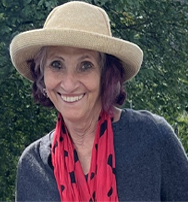 Pattie Trumble, MPP, MPH
Pattie Trumble is a nurse who worked in both California and New York for many years as an emergency room nurse. She holds a Bachelor’s Degree in Economics from the University of California, Berkeley, and an Associate Degree in Nursing from the Samuel Merritt Hospital School of Nursing. After 10 years of providing direct care, she went back to school and earned concurrent Master’s degrees in both public policy and public health from the University of California, Berkeley. Thereafter, she worked for various public health agencies in California at both the community and state levels providing economic and legislative analysis.
Popular Related Articles