5 Best DNP Programs in Kansas – 2026
Written By: Pattie Trumble, MPP, MPH
 DNP programs in Kansas prepare you for advanced roles in healthcare leadership and clinical care delivery. As a DNP-educated nurse, you can become a nurse practitioner or clinical nurse specialist, or a nurse executive who knows how to manage the healthcare needs at the organizational level that confront communities throughout the Sunflower State. In strictly financial terms, a DNP is a worthwhile educational investment since nurses with Doctor of Nursing Practice diplomas in Kansas average $128,480 a year, and their employment prospects are projected to go up by 43 percent within the decade to come. Want to become a leader in the profession you love? Learn more by reading this guide to the 5 best DNP programs in Kansas.
WHAT ARE THE BEST DNP PROGRAMS IN KANSAS (ONLINE & CAMPUS) FOR 2026?
Based on our Ranking Methodology, listed below are the 5 Best Doctor of Nursing Practice programs in Kansas (Online & Campus) for 2026.
1. University of Kansas - Kansas City
Programs Offered: BSN-to-DNP and MSN-to-DNP
BSN-to-DNP Specialties Offered: Family Nurse Practitioner, Nurse-Midwife, and Psychiatric-Mental Health Nurse Practitioner
MSN-to-DNP Specialties Offered: Advanced Practice and Leadership
Foundational DNP coursework like "Principles of Clinical Epidemiology," "Interpreting Research for Applied Science," and "Methods for Assessing Organizational and Clinical Practice Outcomes" will prepare you to tackle a multi-semester DNP project where you'll have the opportunity to translate best evidence into practice. Though much of the program is available in a distance learning format, you'll be required to visit the university's campus in Kansas City for clinical intensive workshops and standardized patient exams anywhere between two and five times per semester.
New cohorts begin this DNP program in Kansas in the summer semester. Full-time students typically complete this program in 12 semesters (48 months).
BSN-to-DNP Admission Requirements: KU's BSN-to-DNP program is only open to applicants with a BSN who've maintained a cumulative undergraduate degree of 3.0 or higher. Preference is given to candidates with at least one year of professional nursing experience. Applicants to the BSN-to-DNP/Nurse Midwife track must have at least six months of experience in a labor and delivery practice setting, possess current Neonatal Resuscitation Program certification, and have completed an Intermediate fetal heart rate monitoring course within the past three years. Preference is given to Nurse Midwife applicants who are interested in working in medically underserved areas.
MSN-to-DNP Program Details: Are you an MSN‑educated nurse looking to sharpen your evidence‑based practice skills and hone your leadership abilities? The University of Kansas offers a Master's of Science in Nursing (MSN)-to-DNP program with concentrations in Advanced Practice and Leadership. Both specialization tracks entail 32 credits. You'll build upon the MSN‑level supervised clinical/practicum hours you've already completed so that you'll meet the 1,000-clinical-hours DNP requirement. You'll be able to complete your practicums in the state where you live, so long as KU's School of Nursing approves sites and preceptors.
You'll follow the same DNP core curriculum that BSN-to-DNP students take. Most required courses are offered online, but you may be required to visit the KU Medical Center campus once a year for immersive learning experiences. By taking two courses per semester, you can graduate in eight semesters (32 months). Coursework begins in the summer semester.
MSN-to-DNP Admission Requirements: Applicants to this program must have a nursing master's degree with a grade point average of 3.0 or higher.
Must-Know Highlights For Potential Students
• U.S. News & World Report ranks the midwifery program at the University of Kansas in Kansas City as the tenth best in the nation.• Nurse midwife grads at KU have a first-time pass rate of 100 percent on their national certification exams, while FNP grads have a first-time pass rate of 92 percent.
• KU's DNP program is located at the KU Medical Center, which is the largest academic medical center in the Sunflower State, giving students access to clinical experiences involving specialized care for complex, severe, or unusual health problems.
2. Washburn University - Topeka
Programs Offered: DNP (BSN-to-DNP, MSN-to-DNP with NP, and MSN-to-DNP without NP)
BSN-to-DNP Specialties Offered: Family Nurse Practitioner and Psychiatric Mental Health Nurse Practitioner
MSN-to-DNP with NP Specialties Offered: Generic, FNP/ANP/AGNP/PNP-to-PMHNP, and MSN-to-DNP (with FNP/ANP/AGNP/PNP plus PMHNP)
MSN-to-DNP without NP Specialties Offered: Family Nurse Practitioner and Psychiatric Mental Health Nurse Practitioner

The university offers a 74-credit (1,170 clinical hours) BSN-to-DNP/FNP track and a 75-credit (1,020 clinical hours) BSN-to-DNP/PMHNP track. The core DNP curriculum includes classes like "Evidence-Based Practice," "Population Health," and "Emerging Concepts Informatics," as well as a three-semester DNP project. You'll be able to identify practicum preceptors and clinical sites that are convenient to where you live.
The FNP course will take you eight semesters (32 months) to complete, while the PMHNP course will take you nine semesters (36 months). If you haven't already completed an upper-level statistics course, you'll take that in the first summer semester of your enrollment; otherwise, courses begin in the fall semester.
BSN-to-DNP Admission Requirements: You'll need to submit separate applications to Washburn University's graduate division and its School of Nursing. Applicants must have a BSN from an accredited nursing program. Preference is given to those with a GPA of 3.25 in their nursing coursework.
MSN-to-DNP with NP Program Details: Are you an MSN-prepared advanced practice RN looking for a way to distinguish yourself even further in a competitive healthcare employment market? Washburn University offers a 40-credit MSN-to-DNP track that focuses solely on the core DNP curriculum. Your coursework will mirror the BSN-to-DNP foundational DNP curriculum. You'll complete a minimum of 540 practicum hours at a hospital or clinic in your own community and make up the remainder of your DNP clinical hours requirement by transferring MSN credits. You can complete this program in six semesters (24 months), and if you've already taken an intermediate-level statistics course, classes begin in the fall semester.
MSN-to-DNP with NP Admission Requirements: This program is only open to MSN-educated advanced practice RNs with a grade point average of 3.25 or higher.
MSN-to-DNP without NP Program Details: Washburn University also administers an MSN-to-DNP program for nurses who either are not certified as APRNs or who want to add an FNP or PMHNP specialty to their clinical scope of practice. The MSN-to-DNP/PMHNP track involves 71 credits (1,020 clinical hours), while the MSN-to-FNP track comprises 70 credits (1,170 clinical hours). You'll be able to pursue clinical experiences close to where you already live and work.
You'll take the same DNP courses that the university teaches at the BSN-to-DNP level. Although the majority of the program is taught over the Internet, FNP students must attend an orientation at the university's Topeka campus and, thereafter, attend a clinical skills training program on campus once a year. You'll begin the program in the summer semester unless you've already completed an intermediate-level statistics class. Full-time students can graduate in six semesters (24 months).
MSN-to-DNP without NP Admission Requirements: This program is only open to MSN-educated applicants who are licensed APRNs in their state of residence.
Must-Know Highlights For Potential Students
• Washburn University's DNP curricula were explicitly designed to accommodate the needs of working RN professionals.• Washburn University's DNP students must pursue some of their clinical experiences in rural practice settings to promote familiarity with providing primary nursing care to medically underserved areas.
3. Fort Hays State University - Hays
Programs Offered: BSN-to-DNP and MSN-to-DNP
BSN-to-DNP Specialties Offered: Family Nurse Practitioner

You'll take foundational DNP courses like "Research in Nursing," "Evidence Based Practice and Scholarly Tools," and "Informatics in Healthcare Systems" before embarking upon a three-semester DNP project where you'll identify a nursing challenge you've encountered during your practicums and then implement and evaluate an evidence-based solution. Full-time students can complete this program in 11 semesters (44 months). New students begin the program in the summer semester.
BSN-to-DNP Admission Requirements: All applicants must have a BSN from an accredited nursing program with a minimum grade point average of 3.0.
MSN-to-DNP Program Details: Fort Hays State University's MSN-to-DNP program is a streamlined pathway that follows the same DNP curriculum as the post-baccalaureate DNP degree. Students will complete 30 credits and 600 practicum hours. You will be able to transfer up to 400 hours from your MSN studies to meet your 1,000-hour DNP clinical requirement. You'll begin classes in the summer semester and graduate in six semesters (24 months). This MSN-to-DNP track is offered online, but you will be required to visit the university's campus in Hays once to present your DNP project formally.
MSN-to-DNP Admission Requirements: The MSN-to-DNP program at Fort Hays State University is only open to APRNs who maintained a 3.25 grade point average while finishing their MSN degree. Fort Hays State University cannot accept applications from RN licensees in Tennessee, Utah, Alabama, or Washington State.
Must-Know Highlights For Potential Students
• Fort Hays State University's BSN-to-DNP program only accepts applicants who have RN licenses from Kansas, Nebraska, or Oklahoma.• Fort Hays State University's Family Nurse Practitioner graduates have a 100 percent first-time pass rate on the American Academy of Nurse Practitioners' national certification examination.
• Fort Hays State University's comparatively low tuition makes this one of the most affordable DNP programs in Kansas.
4. Wichita State University - Wichita
Programs Offered: BSN-to-DNP and MSN-to-DNP
BSN-to-DNP Specialties Offered: Family Nurse Practitioner, Psychiatric Mental Health Nurse Practitioner, and Adult Gerontology-Acute Care Nurse Practitioner
MSN-to-DNP Specialties Offered: Nursing-Individual/Family

The curriculum is structured so you’ll complete at least 1,000 post-baccalaureate practice hours through NP practicums, preceptorships, and the DNP residency. Wichita State University partners with healthcare facilities affiliated with the Ascension Via Christi Health system, as well as other hospitals in the Wichita area, such as Wesley Medical Center. Apart from clinical experiences, this DNP program in Kansas is largely delivered online. Full-time students can complete WSU's clinical nursing doctorate in nine semesters (36 months).
BSN-to-DNP Admission Requirements: This program is only open to applicants who have a Kansas RN license and a BSN from an accredited nursing program with an undergraduate grade point average of 3.0 or higher.
MSN-to-DNP Program Details: Are you an APRN seeking to move into clinical or organizational nursing leadership roles? Wichita State University's 29-credit MSN-to-DNP/Nursing-Individual Family track will impart the knowledge base and skills you need. You'll receive the same education in DNP fundamentals as baccalaureate DNP students receive, which includes participation in a rigorous DNP project.
There’s no new fixed practicum‑hour minimum in the MSN‑to‑DNP portion; instead, students enroll in a DNP residency in 2‑, 4‑, or 6‑credit blocks as needed. Students' DNP portfolios, together with MSN‑level APRN practicum hours, are used to document the 1,000 required post‑baccalaureate practice hours.
Full-time students can complete the curriculum in six semesters (24 months), but the program also offers part-time enrollment options. Wichita State University's MSN-to-DNP program admits a new cohort every year in the spring semester.
MSN-to-DNP Admission Requirements: Applicants must have an MSN from an accredited nursing program with a GPA of 3.0 or higher.
Must-Know Highlights For Potential Students
• Are you passionate about acute care? Wichita State University's AGACNP track is the only program of its kind in Kansas.• Wichita State’s clinical nursing doctorate is among the more affordable DNP options nationally.
5. Pittsburg State University - Pittsburg
Programs Offered: BSN-to-DNP and MSN-to-DNP
BSN-to-DNP Specialties Offered: Nursing Education and Family Nurse Practitioner
MSN-to-DNP Specialties Offered: Leadership (Organizational, Educational, & Forensic Nursing) and Nursing Education
Classes like "Healthcare Research," "Principles of Epidemiology," and "Informatics for Healthcare" will give you the knowledge base and skills you need to tackle a four-semester DNP project. While no visits to the university's campus are required, you will have the option to travel to Pittsburg to present your DNP project in person if you wish. Otherwise, you'll present your DNP project over Zoom. Full-time students can complete this DNP program in Kansas in 12 semesters (48 months). New students begin Pittsburg State University's BSN-to-DNP tracks in the summer semester.
BSN-to-DNP Admission Requirements: Applicants to this program must submit applications to the university's graduate school as well as its School of Nursing. This program is only open to applicants with a BSN from an accredited nursing program who've maintained an undergraduate GPA of 3.0 or higher. You must have a Kansas RN license or an RN license from a compact state before you start clinical rotations. All applicants to either Pittsburg State University's BSN-to-DNP or MSN-to-DNP program must be certified in Basic Life Support (BLS); applicants to the BSN-to-DNP/FNP track must have Advanced Cardiac Life Support (ACLS) certification.
MSN-to-DNP Program Details: Pittsburg State University offers two concentrations in conjunction with its post-master's clinical nursing doctorate: a 32-credit MSN-to-DNP/Leadership (Organizational, Educational, & Forensic Nursing) track and a 39-credit MSN-to-DNP/Education track. Both tracks offer the same core DNP classes that the BSN-to-DNP offers. You'll complete enough practicum hours at a healthcare facility in the state where you live to meet the 1,000-hour DNP clinical requirement through a combination of prior master’s practicum and DNP‑level scholarly‑project/practice hours. This is an online program. If you enroll full-time, you can graduate in eight semesters (32 months). New students can start this program in either the spring or summer semester.
MSN-to-DNP Admission Requirements: This program is only available to applicants with an MSN from an accredited nursing program who maintained a grade point average of 3.0 or higher. You'll need an active RN license in the state where you'll be doing your practicums, but you must also meet Kansas RN licensure standards.
Must-Know Highlights For Potential Students
• Pittsburg State University’s DNP program focuses on preparing nurses to serve rural and other medically underserved communities across Kansas. Along with the University of Kansas and Fort Hays State University, PSU is a member of the Kansas Advanced Practice Collaborative, which was formed in 2009 to provide more robust primary healthcare options for Kansas residents who live in communities with limited access to healthcare.• Pittsburg State University's DNP programs have had a significant regional impact on healthcare provision throughout mostly rural southeastern Kansas: Nearly all of the university's FNP grads stayed to practice in Kansas or in the nearby states of Missouri and Oklahoma.
FREQUENTLY ASKED QUESTIONS ANSWERED
1. Who Accredits DNP Programs In Kansas?
| S.No. | Accrediting Agency |
| 1 | Accreditation Commission for Education in Nursing (ACEN) |
| 2 | Commission on Collegiate Nursing Education (CCNE) |
2. How Many Schools Offer Accredited DNP Programs In Kansas?
| 5 |
3. What Is The Average DNP Salary In Kansas?
| Hourly | $61.77 |
| Weekly | $2,471 |
| Monthly | $10,710 |
| Annual | $128,480 |
4. On Average, How Much Do Entry-Level DNP Graduates Make In Kansas?
| Hourly | $45.44 |
| Weekly | $1,818 |
| Monthly | $7,880 |
| Annual | $94,520 |
5. On Average, How Much Do Experienced DNP Graduates Make In Kansas?
| Level of Experience | Hourly | Weekly | Monthly | Annual |
| 1-4 Years of Experience | $51.42 | $2,057 | $8,910 | $106,950 |
| 5-9 Years of Experience | $60.70 | $2,428 | $10,520 | $126,250 |
| 10-19 Years of Experience | $67.60 | $2,704 | $11,720 | $140,600 |
| 20 Years or More Experience | $80.78 | $3,231 | $14,000 | $168,020 |
6. What Is The Average DNP Salary In Kansas By Metro?
| Metro | Hourly | Weekly | Monthly | Annual |
| Lawrence | $60.41 | $2,417 | $10,470 | $125,660 |
| Manhattan | $58.41 | $2,337 | $10,130 | $121,500 |
| Topeka | $64.98 | $2,599 | $11,260 | $135,150 |
| Wichita | $58.64 | $2,346 | $10,170 | $121,980 |
7. Average DNP Salary In Kansas VS. Average Salaries Of Other Closely Related Occupations In Kansas
| Job Title | Average Annual Salary | Difference | |
| Number | % | ||
| Dentist | $175,480 | -$47,000 | -26.78% |
| Podiatrist | $141,650 | -$13,170 | -9.30% |
| Optometrist | $138,280 | -$9,800 | -7.09% |
| Pharmacist | $129,300 | -$820 | -0.63% |
| Nurse With DNP | $128,480 | $0 | 0.00% |
| Physician Assistant | $119,470 | +$9,010 | +7.54% |
| Veterinarian | $103,730 | +$24,750 | +23.86% |
| Physical Therapist | $93,780 | +$34,700 | +37.00% |
| Occupational Therapist | $92,510 | +$35,970 | +38.88% |
| Radiation Therapist | $91,970 | +$36,510 | +39.70% |
| Speech-Language Pathologist | $82,790 | +$45,690 | +55.19% |
| Dental Hygienist | $79,160 | +$49,320 | +62.30% |
| Audiologist | $78,380 | +$50,100 | +63.92% |
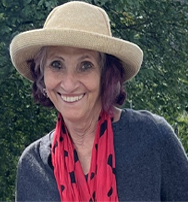 Pattie Trumble, MPP, MPH
Pattie Trumble is a nurse who worked in both California and New York for many years as an emergency room nurse. She holds a Bachelor’s Degree in Economics from the University of California, Berkeley, and an Associate Degree in Nursing from the Samuel Merritt Hospital School of Nursing. After 10 years of providing direct care, she went back to school and earned concurrent Master’s degrees in both public policy and public health from the University of California, Berkeley. Thereafter, she worked for various public health agencies in California at both the community and state levels providing economic and legislative analysis.
Popular Related Articles