9 Best DNP Programs in Wisconsin – 2026
Written By: Pattie Trumble, MPP, MPH
 DNP programs in Wisconsin open the door to many different job opportunities in advanced nursing practice. Whether you’re interested in becoming a nurse practitioner, a nurse educator, or a nurse executive, prospective employers know that you’ve been prepared to practice at the very highest level of proficiency across all specialties. Your earning potential will increase: On average, DNP-educated nurses in the Badger State earn $138,240 a year. Your employment opportunities are projected to rise, too, with a 51 percent increase over the next 10 years. A DNP program can help you take your nursing career to the next level. Find out how by reading this guide to the 9 best DNP programs in Wisconsin.
WHAT ARE THE BEST DNP PROGRAMS IN WISCONSIN (ONLINE & CAMPUS) FOR 2026?
Based on our Ranking Methodology, listed below are the 9 Best Doctor of Nursing Practice programs in Wisconsin (Online & Campus) for 2026.
1. University of Wisconsin-Madison - Madison
Programs Offered: BSN-to-DNP, MSN-to-DNP, and MSN-to-DNP (non-APRN)
BSN-to-DNP Specialties Offered: Adult-Gerontologic Clinical Nurse Specialist, Adult-Gerontology Acute Care Nurse Practitioner, Adult-Gerontology Primary Care Nurse Practitioner, Pediatric Primary Care Nurse Practitioner, and Psychiatric Mental Health Nurse Practitioner
BSN-to-DNP (non-APRN) Specialties Offered: Population Health and Systems Leadership & Innovation
MSN-to-DNP Specialties Offered: Educational Leadership, Expert Practice, Leadership, Population Health, and Systems Leadership & Innovation
Clinical specializations include a BSN-to-DNP/ Adult-Gerontologic Clinical Nurse Specialist (AG-CNS) track, a BSN-to-DNP/Adult-Gerontology Acute Care Nurse Practitioner (AGACNP) track, a BSN-to-DNP/Adult-Gerontology Primary Care Nurse Practitioner (AGPCNP) track, a BSN-to-DNP/Pediatric Primary Care Nurse Practitioner (PPCNP) track, and a BSN-to-DNP/ Psychiatric Mental Health Nurse Practitioner (PMHNP) track. Non-clinical concentrations include a BSN-to-DNP/Population Health track and a BSN-to-DNP/Systems Leadership and Innovation track. All six tracks require the completion of 71 credits and a minimum of 1,000 clinical hours. Students enrolled in the non-clinical concentrations may be able to transfer up to 18 credits of previous graduate coursework.
The clinical tracks are taught in a hybrid format, combining distance-learning classes with face-to-face residency sessions a few times each semester at the university's campus in Madison, as well as in-person practicums. The Population Health and Systems Leadership and Innovation tracks are entirely online, except for practicums. Core DNP courses like "Evaluation and Application of Evidence-Based Practice," "Health Program Planning, Evaluation, and Quality Improvement," and "Leadership and Organizational Decision-Making in Health Care" will prepare you to tackle a three-semester scholarly DNP project.
Students pursuing clinical concentrations must complete clinical rotations in Wisconsin. The university has strong relationships with well-respected medical facilities throughout the Madison metro area, including the University of Wisconsin Hospital and Clinics, American Family Children's Hospital, the UW Carbone Cancer Center, and William S. Middleton Memorial Veterans Hospital. Students pursuing non-clinical concentrations can complete their clinical rotations in their own communities.
UW-Madison accepts new cohorts into its BSN-to-DNP program in the fall. In addition to its eight-semester full-time program, the university offers an 11-semester (44 months) part-time option. All applicants must have a BSN from an accredited nursing program with a grade point average of 3.0 or higher and at least 1 year of professional RN experience.
MSN-to-DNP Program Details: UW-Madison also offers a five-semester DNP program for students with a Master's of Science in Nursing (MSN) degree who wish to pursue a clinical nursing doctorate. You can enroll in a 44-credit MSN-to-DNP/Educational Leadership Focus track, a 39-credit MSN-to-DNP/Expert Practice Focus track, a 47-credit MSN-to-DNP/Leadership Focus track, a 45-credit MSN-to-DNP/Population Health track, or a 45-credit MSN-to-DNP/ Systems Leadership and Innovation track.
The three Focus concentrations, primarily designed for RNs who pursued an advanced practice RN specialty while they earned their nursing master's degree, are taught in a hybrid format. The Population Health and Systems Leadership and Innovation tracks, however, are not oriented toward clinical practice, and you'll be able to access all your coursework online. You'll take the same foundational DNP courses that BSN-to-DNP students take. All five tracks require a minimum of 500 practicum hours, and you'll be able to transfer clinical hours you completed while earning your MSN toward your 1,000-hour DNP clinical hours requirement.
Must-Know Highlights For Potential Students
• UW-Madison's DNP students can participate in global health immersions where they'll partner with local preceptors in places like Ireland, Malawi, Guatemala, and Belize.• Are you passionate about educating healthcare professionals? By taking nine extra credits, you can earn your Teaching and Learning in Health Care Professions certificate while you're enrolled in a DNP program at the University of Wisconsin-Madison.
2. Marquette University - Milwaukee
Programs Offered: BSN-to-DNP and MSN-to-DNP
BSN-to-DNP Specialties Offered: Adult-Gerontology Acute Care Nurse Practitioner, Adult-Gerontology Primary Care Nurse Practitioner, Pediatric Acute Care Nurse Practitioner, Pediatric Primary Care Nurse Practitioner, Dual Primary Care & Acute Care Pediatric Nurse Practitioner, and Nurse Anesthesia

Marquette's Nurse Anesthesia students will complete a minimum of 2,000 clinical hours (including at least 600 patient care experiences), while the university's other BSN-to-DNP students must complete 1,000 practicum hours. Clinical rotations take place at Milwaukee-based medical centers, such as Froedtert & Medical College of Wisconsin, Ascension, Children's Hospital of Wisconsin, and the Clement J. Zablocki Veterans Affairs Medical Center.
All six tracks build upon the same foundational DNP coursework with classes like "Research & Evidence as a Foundation for Nursing," "Applied Statistics for Health Sciences," and "Professional Issues in APN/DNP Practice." You'll also complete a three-semester DNP project. Full-time students can complete the dual degree specialty in 4 years; the other specialties take 3 years. Unlike other Nurse Anesthesia DNP programs in Wisconsin, Marquette's Nurse Anesthesia specialty accepts new students in the fall, but the other concentrations accept new students in both the fall and spring.
Marquette University accepts new students on a rolling admissions basis, so if this BSN-to-DNP program is your top choice, submit your application early. Only applicants with a BSN from an accredited nursing program with a cumulative GPA of 3.0 and a current Wisconsin RN license will be accepted into the program. All Nurse Anesthesia applicants must have 1 to 2 years of critical care experience and hold Basic Life Support (BLS), Advanced Cardiac Life Support (ACLS), and Pediatric Advanced Life Support (PALS) certifications. Applicants to the AGACNP and PACNP tracks must have 2 years of critical care experience, while applicants to the other tracks must have at least 1 year of professional RN experience.
MSN-to-DNP Program Details: Are you a master's-educated RN who's looking for ways to level up professionally? Marquette University offers a 30-credit MSN-to-DNP degree that full-time students can complete in approximately 2 years. This streamlined program features the same core DNP curriculum as Marquette's BSN-to-DNP program. The program admits new students in the spring and fall.
Must-Know Highlights For Potential Students
• Marquette University is a Catholic school in the Jesuit tradition, but its doors are open to students of all faiths, and its nursing curriculum reflects professional best practices rather than Catholic doctrinal teachings.• Graduates of Marquette's AGPCNP programs have a first-time pass rate of 100 percent on their national nurse practitioner certification exams.
• Interested in teaching nursing? Marquette University's DNP students can earn an additional specialization in nursing education by taking 12 additional credits.
• Marquette's MSN-to-DNP students also have the option of completing a 28- to 30-credit post-Master's Nurse Midwifery certificate while they're enrolled in their doctoral program, which will qualify them to sit for the exam administered by the American Midwifery Certification Board.
3. University of Wisconsin-Eau Claire - Eau Claire
Programs Offered: BSN-to-DNP and MSN-to-DNP
BSN-to-DNP Specialties Offered: Family Nurse Practitioner, Adult-Gerontology Primary Care Nurse Practitioner, Psychiatric Mental Health Nurse Practitioner, Family Health-Administration, and Family Health-Nurse Practitioner
MSN-to-DNP Specialties Offered: Advanced Clinical Practice, Administration/Nurse Executive, and Nursing Education Leadership
All of UW-Eau Claire's BSN-to-DNP tracks share a common core DNP curriculum plus a three-semester DNP project, with courses like "Leadership & Health Policy in Nursing," "Clinical Scholarship for Advanced Nursing Practice," and Advanced Epidemiology & Biostatistics for Population Health". New cohorts are accepted into the program in the fall semester, and you'll have your choice of enrolling full-time and completing the program in 3 years or enrolling part-time and completing the program in either 4 years or 5 years.
While the majority of your coursework will be delivered online, you will be expected to visit the university's campus periodically for skills immersions. Online classes use synchronous and asynchronous formats, with synchronous classes scheduled for either Tuesdays or Wednesdays. You'll participate in clinical rotations at prestigious healthcare facilities across Wisconsin, including Marshfield Clinic, Mayo Clinic Health System, and Essentia Health System. All applicants must have a BSN from an accredited nursing program and a Wisconsin RN license by the time they begin practicums.
MSN-to-DNP Program Details: UW-Eau Claire's streamlined MSN-to-DNP program is designed to be completed in 2.5 years of part-time study, making it one of the best DNP programs in Wisconsin for working RNS who need to integrate their educational goals with existing professional and personal commitments. While most of the program is taught online, you will be asked to make several campus visits.
The MSN-to-DNP program offers different pathways: an MSN-to-DNP/Advanced Clinical Practice track, an MSN-to-DNP/Administration/Nurse Executive track, and an MSN-to-DNP/Nurse Education Leadership track. Each track comprises 31 credits, with a foundational DNP curriculum identical to the post-baccalaureate doctoral DNP core. The Advanced Clinical Practice track involves completing 450 clinical hours, while the other two tracks require 525 clinical hours; however, you will be able to transfer credits from your MSN studies to meet the 1,000-hour DNP requirement. You must complete your clinical residencies at hospitals and clinics within Wisconsin.
Must-Know Highlights For Potential Students
• 99 percent of UW-Eau Claire's nursing graduates find employment in their chosen fields within 1 year of completing their studies.• All instructors affiliated with the DNP programs at the University of Wisconsin-Eau Claire hold nursing doctorate degrees.
4. University of Wisconsin-Milwaukee - Milwaukee
Programs Offered: BSN-to-DNP and MSN-to-DNP
BSN-to-DNP Specialties Offered: Adult Gerontology Acute Care Nurse Practitioner, Clinical Nurse Specialist, Family Nurse Practitioner, Nurse Executive, and Psychiatric-Mental Health Nurse Practitioner

At the University of Wisconsin-Milwaukee, all BSN-to-DNP students must complete a minimum of 1,000 clinical hours, which include 460 hours of work on their DNP project. You must also pass a doctoral preliminary examination that includes an oral component and the submission of a portfolio to qualify for formal admission to candidacy for the DNP degree.
This DNP program in Wisconsin uses a hybrid format, blending asynchronous online coursework with a few synchronous sessions and campus-based immersions. You'll be able to pursue clinical practicums at healthcare facilities close to where you live. The program accepts new students in the fall and spring semesters. Students can expect to graduate in 3 years if they enroll full-time and 4 to 5 years if they enroll part-time. All applicants must have at least 1 year of professional RN experience.
MSN-to-DNP Program Details: UW-Milwaukee's MSN-to-DNP program is ideal for working RNs with a master's degree in nursing because, except for one 460-hour leadership immersion practicum, it's entirely online. You'll be able to schedule your practicum experience at a medical facility near your home and transfer clinical hours from your MSN to make up the remainder of your DNP clinical hour requirement. The program consists of 11 core DNP classes (32 credits), including a three-semester DNP project, that students typically complete in 18 to 24 months. New cohorts enter this program in the fall and spring.
Must-Know Highlights For Potential Students
• The University of Wisconsin-Milwaukee's School of Nursing is the Badger State's top-ranked nursing research institution, receiving more than $7 million across 16 National Institutes of Health (NIH) awards in 2024 alone.• Students enrolled in UW-Milwaukee's MSN-to-DNP program can expand their scope of practice by pursuing post-graduate certificates in Applied Gerontology, Health Professional Education, Interprofessional Public and Population Health, and Trauma Informed Care while they're pursuing their clinical nursing doctorate.
5. University of Wisconsin-Oshkosh - Oshkosh
Programs Offered: BSN-to-DNP and MSN-to-DNP
BSN-to-DNP Specialties Offered: Family Nurse Practitioner, Psychiatric Mental Health Nurse Practitioner, and Nurse Anesthesia
MSN-to-DNP Specialties Offered: Family Nurse Practitioner and Executive

Identical foundational DNP coursework is spread across all three UWO BSN-to-DNP concentrations. You'll take courses like "Program Planning, Evaluation and Quality Improvement," "Biostatistics for Evidence Based Practice," and "Foundations of the DNP Role and Interprofessional Collaboration," and complete a two-semester scholarly DNP project.
Much of the BSN-to-DNP coursework is offered online. For Nurse Anesthesia students, that includes most core DNP coursework, though specific nurse anesthesia coursework is typically taught in classrooms at the university's campus. PMHNP students must attend classes in person on campus three or four Mondays during the fall and spring semesters, and FNP students must also spend some time in university classrooms.
The Nurse Anesthesia track is only offered full-time and takes 3 years to complete, while the PMHNP and FNP tracks both offer full-time (3 years) and part-time (4 years) enrollment options. All three tracks welcome new cohorts in the summer semester.
All applicants must have a BSN with a grade point average of 3.0 or higher. Applicants to the Nurse Anesthesia track must have at least 1 year of critical care experience. (Two years is preferred.) Nurse Anesthesia applicants must also have a current Wisconsin RN license, BLS and ACLS certification, and a Critical Care Registered Nurse (CCRN) credential. Applicants to the FNP and PMHNP tracks must have current Wisconsin RN licenses.
MSN-to-DNP Program Details: Already have a nursing master's degree and eager to take the next step on your professional journey? The University of Wisconsin-Oshkosh offers an MSN-to-DNP program with clinical and non-clinical tracks.
The MSN-to-DNP/FNP track has separate study plans for first-time APRNs and advanced practice nurses who are adding a new clinical specialty. This is a hybrid program that requires a few campus visits. You can enroll full-time and graduate in approximately 3 years, or enroll part-time and graduate in approximately 4 years. The number of clinical hours you'll need to complete this program will depend on the practicums you completed while earning your MSN.
UWO's MSN-to-DNP/Executive track requires 34 credits and 672 leadership practicum hours. (You'll be able to make up your DNP clinical hours requirement by transferring credits from your master's program.) Apart from practicums, this program is entirely online, and full-time students typically graduate from it in 12 months.
Must-Know Highlights For Potential Students
• Most UWO Nurse Anesthesia grads pass their National Board of Certification and Recertification for Nurse Anesthetists (NBCRNA) boards on their very first try and land jobs in their chosen field within six months of graduation.• The American Association for Men in Nursing consistently ranks this DNP program in Wisconsin as one of the best for male nurses.
6. Edgewood University - Madison
Programs Offered: MSN-to-DNP
MSN-to-DNP Specialties Offered: Executive Leadership
Required classes include "Applied Research Methods and Evidence Based Practice," "Health Care Service and Clinical Quality," and "Population Health and Health Policy." Depending upon how many clinical hours you completed while earning your MSN, practicums will consist of 500 to 1,000 in-person hours, which you can complete at a healthcare facility or community agency in your own hometown. Except for practicums, Edgewood's MSN-to-DNP/Executive Leadership degree is fully online.
The program accepts new students in the spring, summer, and fall semesters, and full-time students can expect to graduate in two years. You must have an MSN from an accredited nursing program with a cumulative GPA of 3.0 or higher, a current U.S. RN license, and one year of professional nursing experience to apply.
Must-Know Highlights For Potential Students
• Edgewood University is a Dominican-affiliated Catholic university. While its nursing curriculum aligns closely with the university's mission of reflection and service, coursework does not reflect Catholic precepts per se, and students from many faith backgrounds attend the university.• Edgewood University's MSN-to-DNP/Executive Leadership track prepares you to sit for the American Nurses Credentialing Center's national Nurse Executive certification exam and the American Organization of Nurse Executives' Certified Nurse Manager & Leader certification exam.
7. Concordia University Wisconsin - Mequon
Programs Offered: BSN-to-DNP and MSN-to-DNP
BSN-to-DNP Specialties Offered: Family Nurse Practitioner and Adult-Gerontology Primary Care Nurse Practitioner

CUW's two nurse practitioner programs share a common DNP core with classes such as "Evidence Based Nursing Practice," "Biostatistics & Epidemiology," and "Healthcare Informatics," as well as a two-semester DNP project, which you'll implement and evaluate across three practicum immersions. Most classes are taught over an eight-week period, though a few are taught over 16 weeks. You can fulfill your clinical practicum requirement at healthcare sites within your local community.
The BSN-to-DNP/FNP and the BSN-to-DNP/AGPCNP tracks both accept new students in the fall semester. Students studying full-time typically graduate in three years, whereas part-time students graduate in four. This program is only available to applicants with a BSN from an accredited nursing program, a minimum grade point average of 3.0, and a valid RN license in the state where clinical rotations will be conducted. All applicants must submit a video introduction with their application.
MSN-to-DNP Program Details: Concordia University Wisconsin's 30-credit MSN-to-DNP program is expressly designed for APRNs and nurse administrators who want to take the next step forward professionally. It's focused sequence of courses mirrors the DNP fundamentals of the BSN-to-DNP pathway, including the two-semester DNP project. You'll begin the program in the fall semester and graduate in two years if you enroll full-time. Courses are taught in eight-week sessions, making this DNP program in Wisconsin very manageable for working RNs. You'll be able to transfer 500 clinical hours from your MSN studies to augment the 500 hours of practicum required by this program so that you can meet the 1,000-clinical-hours DNP requirement.
For the most part, the program is taught online, although you will have to attend a cohort meeting on campus, close to graduation. You'll also meet with your cohorts via Zoom as part of your orientation process, just before you begin classes. Applicants must have an MSN with a grade point average of 3.5 or higher.
Must-Know Highlights For Potential Students
• Concordia University Wisconsin is affiliated with the Lutheran Church–Missouri Synod. While the university welcomes students from many religious backgrounds, nursing theory is taught within a Christian framework.• CUW's AGPCNP grads consistently have first-time pass rates of 100 percent on their national certification exams, while FNP grads have first-time pass rates between 95 and 100 percent.
8. Viterbo University - LaCrosse
Programs Offered: BSN-to-DNP and MSN-to-DNP
BSN-to-DNP Specialties Offered: Adult-Gerontology Primary Care Nurse Practitioner, Family Primary Care Nurse Practitioner, Adult-Gerontology Acute Care Nurse Practitioner, and CRNA
MSN-to-DNP Specialties Offered: Adult-Gerontology Primary Care Nurse Practitioner, Family Primary Care Nurse Practitioner, Adult-Gerontology Acute Care Nurse Practitioner, and Ethical Leadership

The foundational DNP curriculum includes courses like "Leading Change: Evidence to Practice," "Outcomes Mgmt & Quality Improvement," and "Organizational Leadership & Health Policy," which will build the knowledge base and competencies you need to tackle a two-semester DNP project. Additionally, you'll complete 1,020 clinical hours, spending 240 of those hours developing your DNP project.
Viterbo's BSN-to-DNP is structured as a hybrid program. While many courses are offered entirely online, some require attendance at the university's campus in LaCrosse one day a week. Practicums are scheduled at healthcare facilities within the region served by Viterbo University. This is one of the DNP programs in Wisconsin that accepts new cohorts in the summer semester. If you pursue the program full-time, you'll graduate in nine semesters (36 months). Applicants must have a BSN from an accredited nursing program with a GPA of 3.0 or higher and a valid RN license in the state where they will be completing clinical rotations.
MSN-to-DNP Program Details: Viterbo University also offers its three NP specialties in conjunction with its MSN-to-DNP program, along with a comparatively unique 37-credit MSN-to-DNP/Ethical Leadership track. The MSN-to-DNP/AGPCNP track comprises 59 credits, while the MSN-to-DNP/FNP track entails 61 credits, and the MSN-to-DNP/AGACNP track requires 71 credits. All four tracks deploy a hybrid format, combining online and campus components, and take three years to complete when pursued full-time.
You'll be required to complete 480 clinical hours at the post-master's level, which you can supplement with clinical hours transferred over from your MSN to make up your 1,000-clinical-hours DNP requirement. Viterbo will allow you to pursue your practicums at the healthcare facility where you are employed.
Must-Know Highlights For Potential Students
• Viterbo University operates under the auspices of the Catholic Church's Franciscan Sisters of Perpetual Adoration. While holistic values and social justice are a vital part of the university's mission, its nursing curriculum does not reflect Catholic values per se, and the university accepts students of all religious backgrounds.• Viterbo University also offers a dual Master's of Business Administration (MBA)/DNP degree.
9. Alverno College - Milwaukee
Programs Offered: MSN-to-DNP
MSN-to-DNP Specialties Offered: Direct Care (APRN) and Leadership (Health Care System Nurse Executive/Manager & Nursing Education Leadership)

Except for clinical practicums, the program is 100 percent online, utilizing an asynchronous format that's easy to integrate with your existing personal and professional obligations. Classes are offered in eight- and 16-week blocks. Foundational DNP courses include "Practice-Based Inquiry," "Measurement, Instrumentation, and Statistics for Translational Research," and "Epidemiology and Biostatistics," as well as a two-semester DNP project.
The MSN-to-DNP/Health Care System Nurse Executive/Manager and MSN-to-DNP/Nursing Education Leadership tracks both require 32 credits, while the MSN-to-DNP/Direct Care track entails 30 credits. The number of post-master's clinical hours you'll have to complete will vary according to how many clinical hours you completed pursuing your MSN. You may complete practicums in your own community. This program is open to MSN-educated RNs who have a valid RN license in the state where they'll be doing practicums.
Must-Know Highlights For Potential Students
• Applying to Alverno College is free! Alverno College doesn't charge an application fee.• Applicants to Alverno College's MSN-to-DNP/Direct Care track must be APRN-certified.
FREQUENTLY ASKED QUESTIONS ANSWERED
1. Who Accredits DNP Programs In Wisconsin?
| S.No. | Accrediting Agency |
| 1 | Accreditation Commission for Education in Nursing (ACEN) |
| 2 | Commission on Collegiate Nursing Education (CCNE) |
2. How Many Schools Offer Accredited DNP Programs In Wisconsin?
| 9 |
3. What Is The Average DNP Salary In Wisconsin?
| Hourly | $66.46 |
| Weekly | $2,658 |
| Monthly | $11,520 |
| Annual | $138,240 |
4. On Average, How Much Do Entry-Level DNP Graduates Make In Wisconsin?
| Hourly | $48.89 |
| Weekly | $1,956 |
| Monthly | $8,480 |
| Annual | $101,700 |
5. On Average, How Much Do Experienced DNP Graduates Make In Wisconsin?
| Level of Experience | Hourly | Weekly | Monthly | Annual |
| 1-4 Years of Experience | $55.33 | $2,213 | $9,590 | $115,080 |
| 5-9 Years of Experience | $65.31 | $2,612 | $11,320 | $135,840 |
| 10-19 Years of Experience | $72.73 | $2,909 | $12,610 | $151,280 |
| 20 Years or More Experience | $86.91 | $3,477 | $15,070 | $180,780 |
6. What Is The Average DNP Salary In Wisconsin By Metro?
| Metro | Hourly | Weekly | Monthly | Annual |
| Appleton | $67.11 | $2,684 | $11,630 | $139,580 |
| Eau Claire | $66.87 | $2,675 | $11,590 | $139,090 |
| Green Bay | $63.75 | $2,550 | $11,050 | $132,610 |
| Janesville-Beloit | $67.60 | $2,704 | $11,720 | $140,600 |
| Madison | $69.50 | $2,780 | $12,050 | $144,550 |
| Milwaukee-Waukesha-West Allis | $65.09 | $2,604 | $11,280 | $135,390 |
| Oshkosh-Neenah | $67.10 | $2,684 | $11,630 | $139,560 |
| Racine | $63.27 | $2,531 | $10,970 | $131,610 |
| Sheboygan | $64.74 | $2,589 | $11,220 | $134,650 |
| Wausau | $65.71 | $2,628 | $11,390 | $136,680 |
7. Average DNP Salary In Wisconsin VS. Average Salaries Of Other Closely Related Occupations In Wisconsin
| Job Title | Average Annual Salary | Difference | |
| Number | % | ||
| Podiatrist | $187,870 | -$49,630 | -26.42% |
| Dentist | $179,260 | -$41,020 | -22.88% |
| Veterinarian | $150,910 | -$12,670 | -8.40% |
| Optometrist | $143,750 | -$5,510 | -3.83% |
| Pharmacist | $139,980 | -$1,740 | -1.24% |
| Nurse With DNP | $138,240 | $0 | 0.00% |
| Physician Assistant | $127,770 | +$10,470 | +8.19% |
| Physical Therapist | $95,180 | +$43,060 | +45.24% |
| Chiropractor | $91,180 | +$47,060 | +51.61% |
| Audiologist | $89,540 | +$48,700 | +54.39% |
| Radiation Therapist | $86,540 | +$51,700 | +59.74% |
| Occupational Therapist | $85,030 | +$53,210 | +62.58% |
| Speech-Language Pathologist | $83,820 | +$54,420 | +64.92% |
| Dental Hygienist | $80,450 | +$57,790 | +71.83% |
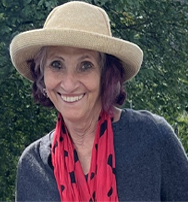 Pattie Trumble, MPP, MPH
Pattie Trumble is a nurse who worked in both California and New York for many years as an emergency room nurse. She holds a Bachelor’s Degree in Economics from the University of California, Berkeley, and an Associate Degree in Nursing from the Samuel Merritt Hospital School of Nursing. After 10 years of providing direct care, she went back to school and earned concurrent Master’s degrees in both public policy and public health from the University of California, Berkeley. Thereafter, she worked for various public health agencies in California at both the community and state levels providing economic and legislative analysis.
Popular Related Articles