12 Best Missouri FNP Programs (Online & Campus) – 2026
Written By: Darby Faubion RN, BSN, MBA
 It pays to graduate from one of the FNP programs in Missouri! Your degree will put you on track to make $115,790 annually on average, and you’ll never lack employment opportunities since the number of available jobs for FNPs in the Show Me State is projected to rise by 42 percent in the coming decade. As a family nurse practitioner in Missouri, you’ll work hand in hand with a collaborating physician, diagnosing and treating chronic and acute illnesses. Family nurse practitioners have some of the highest job satisfaction rates around. Ready to learn more about this dynamic nursing opportunity? The guide below to the 12 best FNP programs in Missouri is an excellent resource.
FOLLOWING ARE THE 12 BEST FNP PROGRAMS IN MISSOURI (ONLINE & CAMPUS) FOR 2026
(Based on our Ranking Methodology, we have ranked the 12 best campus-based and online FNP programs in Missouri.)
1. University of Missouri - Columbia
Programs Offered: MSN, DNP (BSN-to-DNP & MSN-to-DNP), and Graduate Certificate
MSN Program Details: The University of Missouri is home to one of the best Master of Science in Nursing FNP programs in Missouri. The program offers part-time and full-time enrollment options, allowing you to complete your degree in 2.5 to 3.5 years. New classes are admitted in the spring, summer, and fall semesters.
The blended program format consists of flexible online courses combined with yearly campus visits. The MSN Family Nurse Practitioner program features a curriculum that combines Master's coursework with FNP specialty courses. The curriculum is designed with a special emphasis on underserved and rural populations.
The MSN of study includes classes such as Reproductive & Sexual Health, Newborn through Adolescence, Advanced Pharmacology & Pharmacotherapeutics, and Advanced Diagnostics & Reasoning. The program requires the completion of 45 to 47 credits and 600-720 clinical hours.
BSN-to-DNP Program Details: If you are a bachelor’s-prepared RN and want to earn a doctorate in nursing and become a Family Nurse Practitioner, the BSN-to-DNP program at the University of Missouri is a great option to consider.
The BSN-to-DNP program features a 72-credit curriculum. In this program, you will begin your study with MSN core courses in Advanced Practice Role Acquisition & Professional Communication, Health Disparities of Rural & Other Underserved Populations, and Family Dynamics & Intervention. You will also complete three clinical core courses before transitioning to the FNP Clinical core component of the program.
This post-bachelor's DNP FNP program includes 1,080 lab and clinical hours. You will complete 90 hours of lab skills and simulation training during the Advanced Health Assessment course. Then, you will participate in 600 hours of direct patient-care clinical hours in various primary care settings. The program also includes 390 indirect clinical hours devoted to completing a DNP Residence Project and a DNP Clinical Residency.
MSN-to-DNP Program Details: The University of Missouri also offers a post-master’s pathway to earn a DNP, specializing as a Family Nurse Practitioner. All DNP students are required to earn a minimum of 72 post-baccalaureate credits and 1,000 post-baccalaureate clinical hours. You may transfer up to 38 eligible credits of previous graduate-level coursework from your previous degree, which could reduce the total credits you need to earn the post-master’s DNP.
Graduate Certificate Program Details: At the University of Missouri, if you have a graduate degree in nursing and are certified as an advanced practice registered nurse, you can pursue the Family Nurse Practitioner Graduate Certificate. You can choose to pursue the graduate certificate full-time and complete the program in one year. If you need a slower pace, a part-time, two-year option is also available. The program admits students in the spring and fall annually.
Must-Know Highlights For Potential Students
• Graduates of the FNP program at the University of Missouri have high national certification pass rates and excellent employment rates following completion of the program.• According to post-graduation surveys, students who complete the FNP program at the University of Missouri rate high satisfaction with the school and program. Graduates rate their experiences as “satisfied” or “highly satisfied” when asked about the program’s quality, teacher engagement and responsiveness, clinical experiences, and whether they felt prepared for their careers upon completion of the program.
2. Saint Louis University - Saint Louis
Programs Offered: MSN (Family Nurse Practitioner & Family Psychiatric-Mental Health Nurse Practitioner)
MSN Program Details: Saint Louis University offers an excellent online FNP program in Missouri. At SLU, you can choose to pursue the Family Nurse Practitioner or Family Psychiatric-Mental Health Nurse Practitioner pathway. The MSN-FNP programs offer part-time and full-time curriculum plans, making it easy for you to choose a schedule that suits your needs and goals. Full-time students can complete the program in eight to nine semesters, depending on their chosen concentration.
Courses are offered in a flexible online format. However, students are required to attend a two-to-three-day residency on campus. The residency involves skills and intensive assessments.
The Family Nurse Practitioner pathway is a 34-credit pathway. The Family Psychiatric-Mental Health NP pathway requires the completion of 36 credits. All students earn 18 credits from core courses, including Principles of Practice Management, Advanced Health Assessment & Clinical Decision Making, and Advanced Pathophysiology.
Each pathway also features concentration-specific courses. If you choose the Family Practice pathway, you will take Advanced Clinical Studies: Adults & Older Adults, Advanced Clinical Studies: Women & Children, and Mental Health Care Family. The Family-Psychiatric Mental Health NP concentration includes courses like Ecological Approach to Human Behavior, Psychopharmacology, and Advanced Clinical Studies I & II: Psychiatric Mental Health Nursing.
The FNP and FP-MHNP pathways require 675 and 600 hours of clinical hours, respectively. Clinical practicums are arranged in collaboration with the course coordinator, on-site preceptor, and students.
Must-Know Highlights For Potential Students
• At Saint Louis University, you will learn from expert faculty who are nationally renowned for their contributions to nursing leadership, teaching excellence, student mentorship, and scholarly research!• The Saint Louis University Trudy Busch Valentine School of Nursing offers several graduate research assistant and scholarship opportunities to eligible graduate students. Thanks to generous donors, the school usually awards more than $1 million in scholarships each year!
3. Maryville University - St. Louis
Programs Offered: MSN, BSN-to-DNP, MSN-to-DNP, and Post-Master’s Certificate
MSN Program Details: If you are a registered nurse with a bachelor’s degree, you can earn a Master of Science in Nursing and specialize as a Family Nurse Practitioner at Maryville University. The MSN-FNP program offers part-time and full-time enrollment options, allowing you to earn your degree in as few as 20 months. With 100% online coursework and no campus visits required, this program is an excellent option for busy nurses.
The MSN Family Nurse Practitioner program features a 47-credit curriculum. You will complete MSN core courses and FNP clinical concentration courses. The program offers courses including Health Promotion & Disease Prevention, Evidence-Based Practice in Nursing, and Advanced Pharmacotherapeutics. The clinical courses Adult-Gerontology Health Care I & II and Pediatric/Family Health Care each have a corresponding clinical practicum. The MSN program includes a minimum of 750 clinical hours.
BSN-to-DNP Program Details: Baccalaureate-prepared nurses also have the option of earning a Doctor of Nursing Practice and specializing as FNPs at Maryville University. The program offers three admission points per year in the spring, summer, and fall semesters. The program can be completed in 40 months if you enroll full-time. A part-time option is also available.
The BSN-to-DNP program is a 74-credit pathway that includes master’s and doctoral-level coursework. In this program, you will take classes, including Principles of Epidemiology & Biostatistics, Quality & Patient Safety in Advanced Nursing Practice, and Graduate Statistics. Concentration-specific clinical courses and practicums are also part of the curriculum. All students in the post-bachelor’s DNP Family Nurse Practitioner program complete at least 1,000 clinical hours. Clinicals are arranged in collaboration with program faculty and supervised by approved preceptors.
MSN-to-DNP Program Details: If you are a master’s-prepared registered nurse ready to accomplish the highest level of clinical nursing practice and become a Family Nurse Practitioner, the MSN-to-DNP FNP program in Missouri at Maryville University is an excellent option! Students are admitted three times annually and can complete the program in just five semesters. All coursework is delivered in an online format.
The MSN-to-DNP Family Nurse Practitioner program requires you to complete 35 credits. The curriculum includes 17 DNP core course credits and 18 FNP specialty course credits. All DNP students are required to have a minimum of 1,000 precepted post-bachelor’s clinical hours. A GAP analysis of your Master's level transcript and clinical hours will determine an individualized plan of study and the number of credits you must complete.
Post-Master’s Certificate Program Details: If you have earned a master’s degree in nursing and want to broaden your scope of practice and become a Family Nurse Practitioner without earning a doctorate, the Post-Master’s Certificate program at Maryville University can help you achieve that goal. The program can be completed in 12 to 24 months, based on whether you enroll part-time or full-time.
The Post-Master’s Certificate program offers 100% online coursework and allows you to complete clinicals locally in your preferred setting. To earn the certificate, you will complete 35 credit hours. Your curriculum consists of Graduate Nursing Core courses, NP Core Courses, and FNP Concentration Courses and Clinicals. The Post-Master’s Certificate program includes 750 clinical hours.
Must-Know Highlights For Potential Students
• Maryville University was founded in 1872 and has had a remarkable history of providing high-quality nursing programs since that time. Most recently, the school has been recognized by U.S. News & World Report and Forbes magazine as one of the country’s best colleges. The Princeton Review and U.S. News recognized the school as one of the Best Online Nursing Schools for Master's in Nursing.• As a nurse and healthcare educator, I encourage prospective students to learn as much as possible about a school and program before committing to a school. One thing that is crucial to find out is whether you will have access to easily communicate with faculty, especially in hybrid or online programs like the ones offered at Maryville. I was pleased to read faculty profiles and see that several faculty mentioned their dedication to helping students embrace their individuality and backgrounds to help them develop a unique clinical perspective, which is critical in treating patients from diverse backgrounds.
4. Cox College - Springfield
Programs Offered: MSN and Post-Masters Certificate
MSN Program Details: Cox College, located in the third most populus city in Missouri, is home to another awesome master’s-level FNP program in Missouri. The program offers two start dates each year, one in the spring and one in the fall. You can also choose to enroll full-time and complete the program in as few as five semesters, or you can enroll part-time and follow a seven-semester plan of study.
The program features online didactic coursework. The MSN Family Nurse Practitioner program is a 45-credit pathway. The program begins with training in advanced nursing courses, including Advanced Physical Assessment, Advanced Physiology & Pathophysiology, and Evidence-Based Practice. You will learn about leadership systems, research, and ethical and legal practices.
As you progress through the curriculum, you will begin coursework tailored to the FNP specialty. You will study Health Promotion and Disease Prevention in the Primary Care of Patients Across the Lifespan, including newborns to adolescents, adults through aging, and women's health and reproduction.
Each Family Practice specialty course has a corresponding clinical practicum. 780 clinical hours are integrated into the program. At Cox College, you have the support of the Clinical Placement team who collaborate with you to find clinical sites and preceptors. Clinical practicums are scheduled as close to your home region as possible.
Post-Masters Certificate Program Details: If you have already earned a Master’s degree in nursing and you want to add the Family Nurse Practitioner certification to your professional profile, the Post-Master’s Certificate program is a great option. This program features online coursework and clinicals in your own home.
The number of credits needed varies from one student to another and is based on an analysis of transcripts from your previous transcripts. Once a GAP analysis is completed, an individual plan of study will be developed for you. Students in this pathway complete a minimum of 660 clinical hours.
Must-Know Highlights For Potential Students
• All FNP courses at Cox College are taught by faculty with years of real-world experience. All faculty members are certified in their chosen areas of expertise, with many remaining active in practice in various healthcare facilities.• Cox College has a history of educating nurses dating back to 1907 when the school, formerly known as Burge Deaconess Training School for Nurses, was established. The school initially had one instructor and only three students in its first class. Today, the nursing program offers Associate, Bachelor’s, Master’s, and Post-Master’s Certificate programs in nursing and employs a large faculty dedicated to furthering the profession and helping students succeed!
5. University of Missouri - St. Louis
Programs Offered: BSN-to-DNP and Post-Graduate Certificate
BSN-to-DNP Program Details: At the University of Missouri, bachelor’s-prepared registered nurses can pursue a Doctor of Nursing Practice, specializing in the Family Nurse Practitioner concentration. This FNP program in Missouri was designed with working professionals in mind, offering part-time and full-time options, which means you can earn your degree with a schedule that works best for you. The program features a hybrid format that includes distance-mediated coursework and minimal required campus visits.
The curriculum for the BSN-to-DNP Family Nurse Practitioner program consists of four components of study: Foundational Concepts, Clinical Expertise, Diagnosis and Management Foundations, and Integration of Practice. In this 70-credit program, you will take classes, including Pathophysiology for Advanced Nursing Practice, Foundations of Adult Health, Foundations of Pediatric Health, and Epidemiology.
The DNP degree requires a minimum of 1,000 advanced nursing practice hours. To achieve this requirement, the program incorporates at least 600 direct patient care hours and 400 systems learning hours. Systems learning hours include simulation training, clinical scholarship project activities, and immersive experiences.
Post-Graduate Certificate Program Details: If you already have a graduate degree in nursing, the Post-Graduate Certificate program is an ideal option to achieve certification and become a Family Nurse Practitioner. The length of the Post-Graduate Certificate program varies, depending on your previous academic coursework. Typically, students can complete the program in one to two years on a part-time basis.
The Post-Master’s Certificate program offers two pathways, one for currently licensed nurse practitioners and one for non-NP students. The program of study for currently licensed nurse practitioners features a 24-credit curriculum. Students who are not currently licensed NPs typically follow a 31-credit curriculum. However, an individualized plan of study will be developed based on a review of transcripts from your previous degree(s). All Post-Graduate Certificate students must complete a minimum of 12 credit hours. Additionally, the Post-Graduate Certificate program includes 600 hours of direct patient clinical experience.
Must-Know Highlights For Potential Students
• At the University of Missouri- Saint Louis, you will be partnered with a faculty mentor at the beginning of the program. Your mentor will work with you throughout the duration of your program, offering support and guidance to promote and ensure your success.• Graduates of the FNP programs at the University of Missouri- Saint Louis consistently have outstanding success on national certification examinations. According to the school, nearly all graduates pass the exam on their first attempt!
6. University of Central Missouri - Warrensburg
Programs Offered: MSN and Post-Master’s Certificate
MSN Program Details: If you are a registered nurse looking for the best FNP programs in Missouri and you want to earn a Master of Science in Nursing, the University of Central Missouri has a great program to consider. The program features a hybrid format of partially online and partially on-campus learning. You can complete the program in as little as two years.
The MSN Family Nurse Practitioner program requires students to complete 44 semester hours. The curriculum is comprised of core graduate courses and FNP specialty courses. In this pathway, you will study Family & Population Health, Statistics for the Behavioral Sciences, Advanced Pathophysiology Across the Lifespan, and Pharmacology for Advanced Practice Nursing.
In addition to opportunities for learning and practicing skills in the state-of-the-art simulation lab, you will complete 750 clinical practicum hours. Practicums are completed in hospitals and clinics and encompass the primary care of patients across the lifespan.
Post-Master’s Certificate Program Details: The Post-Master’s Certificate Program at the University of Central Missouri offers master’s-prepared registered nurses an opportunity to broaden their scope of practice to provide primary care to individuals, families, and groups. The program offers part-time and full-time enrollment options and can be completed in as little as one year. The Post-Master’s Certificate program features a hybrid format of online classes coupled with only two days required on campus for training in the school’s Innovation Center.
The program features instruction in family theory, health promotion and disease prevention, family primary care, role synthesis, and healthcare policy. The curriculum consists of 26 semester hours of coursework and clinical practicum. In this Post-Master’s FNP program in Missouri, you will complete 750 clinical hours. Program faculty will help you locate and secure clinical preceptors, and you may complete your clinical practicums near your home.
Must-Know Highlights For Potential Students
• The University of Central Missouri has an excellent reputation for providing high-quality nursing education. The school has been recognized by U.S. News & World Report and The Princeton Review in their Best Online Masters in Nursing Programs category.• All faculty members of the MSN Family Nurse Practitioner program at UCM are practicing nurse practitioners with decades of combined experience in clinical practice and diverse experience teaching nursing theory and providing clinical instruction.
7. Missouri State University - Springfield
Programs Offered: MSN, BSN-to-DNP, and Graduate Certificate
MSN Program Details: At Missouri State University, if you have a bachelor’s degree in nursing and want to become a Family Nurse Practitioner, you can choose from two program options to help achieve your goals. One option, the Master of Science in Nursing program, is a full-time pathway that takes three years to complete. The program is presented in a hybrid format, offering a combination of in-person, seated courses, and online learning, which give you more freedom to study on your own time.
In the MSN program, you will complete 53 credits, including 35 credits from NP core courses and 18 credits of FNP specialty clinical courses and practicum. Theoretical instruction in classes will cover a broad range of topics, including Clinical Epidemiology, Advanced Pharmacotherapeutics & Prescriptive Practices for the Advanced Practice Nurse, and Applications of Advanced Pathophysiology. The program also incorporates a minimum of 672 clinical hours.
BSN-to-DNP Program Details: The second post-bachelor’s option at Missouri State University is the BSN-to-DNP program. This FNP program in Missouri is the perfect option if you want to accomplish the highest level of clinical practice as a Family Nurse Practitioner. The program is designed for full-time study and follows a four-year plan of study.
The BSN-to-DNP program features an 80-credit curriculum. Classes are delivered in both an online and in-person format. Students are required to be on campus at least one day each week throughout the program. DNP students complete a minimum of 1,000 clinical hours. If appropriate clinical sites and preceptors are available, and with the approval of the FNP Program Coordinator, you may complete clinical requirements in your local community.
Graduate Certificate Program Details: The Graduate Certificate Program at MSU offers an excellent opportunity for master’s- and doctoral-prepared advanced practice nurses to add a new certification, specializing as Family Nurse Practitioners. The program features a hybrid format and can be completed in just four semesters.
This Graduate Certificate FNP program is a 24-credit pathway. The curriculum consists of four clinical courses with embedded clinical hours in each. All students complete a minimum of 500 clinical practicum hours.
Must-Know Highlights For Potential Students
• Missouri State University has an excellent record of preparing highly qualified, successful students. For instance, the school reports that graduates of each FNP pathway at MSU have had a 100% pass rate on national certification exams for the last five consecutive years.• One of the things I love about nursing is that it is a job that is valuable in every part of the world. At Missouri State University, you can actually experience what it is like to provide nursing services away from home through study-abroad opportunities. The Office of Education Abroad has several opportunities available for nursing students each year. These opportunities are designed to help “increase cultural competence and develop global health leaders.”
8. University Of Missouri Kansas City - Kansas City
Programs Offered: MSN, BSN-to-DNP, and Post-Master’s Certificate
MSN Program Details: If you are looking for FNP programs in Missouri that offer flexibility, the University of Missouri Kansas City has some options worth considering. For example, if you have earned a bachelor’s degree in nursing, you can pursue your master's degree in nursing and become a Family Nurse Practitioner by choosing either the part-time or full-time MSN program.
The program features an online/hybrid format combining online coursework with some required class/chat times. Additionally, campus attendance is required to complete an intensive each semester during clinical courses.
When you pursue your degree through the MSN program, you will follow a curriculum plan consisting of core courses and FNP specialty courses. The 46-credit program includes classes like Pharmacokinetics & Pharmacodynamics: Application for Graduate-Prepared Nurses, Diagnostic Reasoning & Advanced Assessment, Cultural Diversity & Values, and Ethics in Advanced Practice & Research. The program integrates 90 hours of lab simulations and a minimum of 660 clinical practicum hours.
BSN-to-DNP Program Details: The University of Missouri Kansas City also offers a BSN-to-DNP pathway if you are interested in earning a doctorate in nursing and becoming a Family Nurse Practitioner. The program is available in a part-time format that can be completed in five years, or you can enroll full-time and complete the program in four years. The program begins in the summer semester with an on-campus Summer Institute, after which most classes are delivered in an online format, with campus visits required during clinical courses and occasional scheduled class/chat times.
The BSN-to-DNP program features a rigorous 74-credit curriculum. In this program, you will take courses in Advanced Physical Health & Assessment, Advanced Pharmacology, Advanced Pathophysiology, Health Promotion & Disease Prevention, and Differential Diagnosis & Disease Management.
There are 1,237.5 clinical hours required in the BSN-to-DNP program. You will complete some clinical hours by providing direct patient care as well as earn indirect clinical hours through the completion and presentation of your DNP Project.
Post-Master’s Certificate Program Details: If you have already earned a master’s degree in nursing, you can complete the Post-Master’s Certificate program and become eligible to take the FNP certification exam in as little as three semesters at the University of Missouri- Kansas City. Based on your previous coursework, you may need only 18 credit hours to earn the certificate. The Post-Master’s Certificate curriculum includes clinical courses and a minimum of 660 clinical practicum hours.
Must-Know Highlights For Potential Students
• At the University of Missouri-KC, the nursing faculty is dedicated to helping you align your passion for nursing and patient care with the most current information, evidence, and research so you will be prepared for success.• The FNP programs consistently rank among the best in the country. Additionally, the programs are ranked by U.S. News & World Report in the top 10 “Most Affordable Online Graduate Nursing Programs.”
9. Southeast Missouri State University - Cape Girardeau
Programs Offered: MSN
MSN Program Details: Southeast Missouri State University offers a Master of Science in Nursing program with an option to specialize as a Family Nurse Practitioner. The program admits students annually in the fall semester. It takes five semesters, including one summer, to earn the MSN degree.
The MSN Family Nurse Practitioner track requires a total of 43 credit hours. The curriculum features a hybrid format. Courses are delivered in heavily blended (75-99% online), completely online, and face-to-face formats. The degree map features classes, including Advanced Diagnostics & Reasoning for Primary Care, Evidence-Based Practice & Quality Improvement for the Advanced Practice Nurse, Women’s Health in Primary Care, and Primary Care for the Pediatric Client.
Within the FNP track, there are 765 hours of clinical practicum experience. The Department of Nursing has clinical partners across the state, including the Cape Girardeau Public Health Center, Chaffee Medical Clinic, Cross Trails Medical Center, Ferguson Medical Group, and Midwest Convenient Care. Program faculty collaborate with you to arrange clinical assignments and identify preceptors at each clinical site. Your clinical experiences will include opportunities to provide care to patients from birth through old age across the health and wellness spectrum in various primary care settings.
Must-Know Highlights For Potential Students
• Since the introduction of the Family Nurse Practitioner program at Southeast Missouri State University, graduates have an almost 100% first-time rate on the ANCC Family Nurse Practitioner Certification Examination! A high success rate on the certification exam is an excellent indication of the quality of this FNP program in Missouri!• If you are considering earning your degree and becoming an FNP but are worried about managing the financial burden of school, SMSU has some options! For example, the university offers students opportunities to become involved in graduate assistantships. The assistantships cover tuition for up to nine credits of graduate-level work for the spring and fall semesters and up to six semesters in the summer. Additionally, Graduate Assistants receive a stipend of $9,657 per academic year!
10. Graceland University - Independence
Programs Offered: MSN and Post-graduate Certificate

MSN Program Details: At Graceland University, you will find one of the best online FNP programs in Missouri. The university offers two FNP pathways, including the Master of Science in Nursing.
The MSN FNP program features a 48-semeter-credit curriculum. The plan of study incorporates a blend of research and theory as well as guided practice in clinical settings. After completing core courses in Pharmacotherapeutics, Applied Theory & Research for Advanced Nursing Practice, and Advanced Pathophysiology, you will begin specialty courses tailored to the FNP role.
To align with the requirements set forth by the CCNE, the MSN Family Nurse Practitioner program requires all students to complete 750 clinical hours. The program includes three practicum courses, and each course requires a minimum of 180 patient encounters, which means you will have a broad range of patient contact and learning experiences.
Post-graduate Certificate Program Details: Graceland University also offers a Post-Graduate Certificate option for graduate-prepared registered nurses who desire to pursue an FNP certification. The program features online coursework and clinical practicums in your hometown, making it an excellent choice for busy professionals.
The Post-Graduate curriculum builds on core master’s-level courses, adding FNP specialty courses. To earn the Post-Graduate certificate, you must earn a minimum of 33 total semester credit hours. Your program advisor will work with you to devise an individual plan of study based on your prior degree and any potential transfer or waived credits. Additional credits may be required to earn the certificate and will be determined based on the evaluation of transcripts from your previous degree.
The program also includes 750 clinical hours. Clinical hours are earned through direct patient care experiences only. FNP clinical practicum courses include rotations in pediatrics, adult primary care, and family care.
Must-Know Highlights For Potential Students
• One of the challenges graduate nursing students often face is finding qualified preceptors, which is essential to completing clinical practicum requirements. Graceland University is partnered with NPHub, a technology company that specializes in matching graduate nursing students with qualified preceptors with experience in their specialization.• At Graceland University, you will learn from exceptional faculty with years of combined experience. Their knowledge and firsthand insight into family practice nursing will guide and prepare you for professional practice.
11. Missouri Baptist University - Saint Louis
Programs Offered: RN-to-MSN and MSN
RN-to-MSN Program Details: Are you a registered nurse with an associate degree in nursing? Do you want to become a Family Nurse Practitioner and are searching for the perfect FNP program in Missouri? If so, Missouri Baptist University could be the perfect place for you! MBU offers an RN-to-MSN, which allows you to earn your BSN while also completing graduate-level nursing courses to be applied toward your Master's degree in nursing. You have the option of completing the program part-time in four years or full-time in three years.
All coursework for the RN-to-MSN program is online, making this an excellent option for working nurses. The first 12 to 22 months (based on your enrollment status) will be devoted to earning your BSN. During this time, you will also complete 42 to 43 credits. 12 credits of the BSN curriculum are graduate-level nursing credits and will be applied to the MSN.
After transitioning to the MSN component of the program, you will complete 34 additional credits, including 28 FNP specialty track course credits. In the BSN portion of the program, you will complete practice learning experiences through activities, including observations, interviews, and online modules. When you begin the MSN portion of the program, clinical hours will be completed at approved clinical sites, usually at locations of your choice in or near your hometown. A minimum of 750 clinical hours will be completed in this program.
MSN Program Details: If you have already earned a bachelor’s degree in nursing and are ready to earn an MSN and become a Family Nurse Practitioner, the MSN-FNP program at Missouri Baptist University is a great program to consider. The program features online coursework and clinicals in your local region, making it a good option for students who need flexibility. It takes six semesters or two years to complete the program if you enroll on a full-time basis.
The MSN program is a 46-credit pathway. You will engage in a rich curriculum that includes core courses like Organizational & Systems Leadership and Advanced Evidence-Based Practice Methods, as well as FNP Track courses, including Primary Care of Adults, Geriatrics, Pediatrics, and Women’s Health. The program incorporates 40 hours of virtual simulation experiences to complete the course Advanced Assessment with Lab. Additionally, there are three clinical courses with corresponding clinical practicums totaling 750 direct patient care clinical hours.
Must-Know Highlights For Potential Students
• If you are searching for an online FNP program in Missouri founded on Christian principles, Missouri Baptist University is the perfect choice. One of the school’s main objectives is to “intersect innovative preparation with Christian perspectives, integrating personal faith in the practice of nursing while serving in a global and culturally diverse society.”• When choosing a school to earn your nursing degree, I recommend asking about factors such as retention and graduation rates, how many students pass certification exams, and what the job placement/employment rate of graduates is. Each of these are good indicators of whether the program is solid and if students are satisfied. For example, Missouri Baptist University reports high retention and graduation rates among students in its FNP program. Additionally, graduates have outstanding pass rates on national certification exams and excellent job placement rates.
12. Goldfarb School of Nursing at Barnes-Jewish College - St. Louis
Programs Offered: MSN and BSN-to-DNP
MSN Program Details: The Goldfarb School of Nursing at Barnes-Jewish College is home to another outstanding FNP program in Missouri. The program takes eight terms to complete. Courses are delivered online. However, a few campus visits are required in some courses to complete lab skills and intensives.
The MSN-Family Nurse Practitioner program features a 52-credit curriculum. In this program, you will student Advanced Pathophysiology for Primary Care, Adult-Gerontology Primary Care, Family Centered Care for Infants, Children, & Adolescents, and Skills & Procedures for Primary Care Nurse Practitioners. The program also includes 840 clinical practicum hours. Clinicals are arranged in collaboration with program faculty and may be completed in your home region when sites and qualified preceptors are available.
BSN-to-DNP Program Details: If you are a bachelor’s-prepared RN ready to advance your career to the doctorate level and become a Family Nurse Practitioner, the BSN-to-DNP program at Barnes-Jewish College is worth considering. The nine-semester program features online coursework and limited campus visits. Small class sizes ensure you will receive personalized attention from faculty to help promote your success in the program.
The BSN-to-DNP program will teach you the skills and competencies needed to provide primary care to patients across the lifespan with multi-dimensional needs. You will learn from highly experienced faculty who remain active in clinical practice. The program requires the completion of 61 credits. Additionally, all students complete a minimum of 1,140 clinical practicum hours. Practicum hour totals are comprised of both direct patient care hours and indirect hours, which are earned through the completion of the DNP Scholarly Project.
Must-Know Highlights For Potential Students
• Your visits to campus during the FNP program will include active learning experiences at Barnes-Jewish College's state-of-the-art Clinical Simulation Institute. The center has high-fidelity patient simulators and other world-class equipment designed to provide you with realistic learning experiences tailored to the FNP role as you prepare for clinicals and practice.• Graduates of the FNP program at Barnes-Jewish College are eligible to take the national certification exam for Family Nurse Practitioners administered by the American Nurses Credentialing Center or the American Academy of Nurse Practitioners. The school reports graduates have outstanding first-attempt pass rates on this exam, which is a testament to the strong preparation the program provides to students.
HOW MUCH DO FNP GRADUATES MAKE IN MISSOURI?
WHAT STARTING SALARY CAN NEW GRADUATES OF FNP PROGRAMS IN MISSOURI EXPECT?
| Hourly | $40.96 |
| Weekly | $1,638 |
| Monthly | $7,100 |
| Annual | $85,190 |
HOW MUCH CAN GRADUATES OF FNP PROGRAMS IN MISSOURI EARN WITH EXPERIENCE?
| Level of Experience | Hourly | Weekly | Monthly | Annual |
| Entry-Level | $40.96 | $1,638 | $7,100 | $85,190 |
| 1-4 Years of Experience | $46.34 | $1,854 | $8,030 | $96,390 |
| 5-9 Years of Experience | $54.70 | $2,188 | $9,480 | $113,780 |
| 10-19 Years of Experience | $60.92 | $2,437 | $10,560 | $126,710 |
| 20 Years or More Experience | $72.80 | $2,912 | $12,620 | $151,420 |
WHAT IS THE AVERAGE FNP SALARY IN MISSOURI?
| Hourly | $55.67 |
| Weekly | $2,227 |
| Monthly | $9,650 |
| Annual | $115,790 |
HOW MUCH DO FNPS EARN IN THE VARIOUS METROS OF MISSOURI?
| Metro | Hourly | Weekly | Monthly | Annual |
| Cape Girardeau | $56.02 | $2,241 | $9,710 | $116,530 |
| Columbia | $53.26 | $2,130 | $9,230 | $110,780 |
| Jefferson City | $54.00 | $2,160 | $9,360 | $112,330 |
| Joplin | $56.02 | $2,241 | $9,710 | $116,530 |
| Kansas City | $58.13 | $2,325 | $10,080 | $120,900 |
| St. Joseph | $58.13 | $2,325 | $10,080 | $120,910 |
| St. Louis | $56.37 | $2,255 | $9,770 | $117,240 |
| Springfield | $52.51 | $2,100 | $9,100 | $109,220 |
FNP SALARY IN MISSOURI VS. OTHER SALARIES
FNP SALARY IN MISSOURI VS. FNP SALARY IN THE NATION
| Average Missouri FNP Annual Salary | Average National FNP Annual Salary | Difference | |
| Number | % | ||
| $115,790 | $127,510 | -$11,720 | -9.19% |
FNP SALARY IN MISSOURI VS. FNP SALARIES IN OTHER STATES
| State | Average Annual Salary | Difference | |
| Number | % | ||
| California | $160,310 | -$44,520 | -27.77% |
| Nevada | $147,540 | -$31,750 | -21.52% |
| Washington | $144,290 | -$28,500 | -19.75% |
| New Jersey | $143,920 | -$28,130 | -19.55% |
| Oregon | $143,840 | -$28,050 | -19.50% |
| Massachusetts | $142,910 | -$27,120 | -18.98% |
| New York | $141,740 | -$25,950 | -18.31% |
| Connecticut | $135,940 | -$20,150 | -14.82% |
| New Mexico | $135,730 | -$19,940 | -14.69% |
| Minnesota | $133,980 | -$18,190 | -13.58% |
| District of Columbia | $133,820 | -$18,030 | -13.47% |
| Rhode Island | $132,440 | -$16,650 | -12.57% |
| Hawaii | $131,600 | -$15,810 | -12.01% |
| Arizona | $131,550 | -$15,760 | -11.98% |
| Delaware | $130,110 | -$14,320 | -11.01% |
| Iowa | $129,820 | -$14,030 | -10.81% |
| New Hampshire | $129,740 | -$13,950 | -10.75% |
| Texas | $129,020 | -$13,230 | -10.25% |
| Wisconsin | $127,350 | -$11,560 | -9.08% |
| Maryland | $127,010 | -$11,220 | -8.83% |
| Utah | $126,850 | -$11,060 | -8.72% |
| North Dakota | $126,790 | -$11,000 | -8.68% |
| Pennsylvania | $126,480 | -$10,690 | -8.45% |
| Illinois | $125,930 | -$10,140 | -8.05% |
| Alaska | $125,210 | -$9,420 | -7.52% |
| Vermont | $125,140 | -$9,350 | -7.47% |
| Montana | $123,690 | -$7,900 | -6.39% |
| Idaho | $123,600 | -$7,810 | -6.32% |
| Oklahoma | $123,380 | -$7,590 | -6.15% |
| Wyoming | $122,620 | -$6,830 | -5.57% |
| Indiana | $122,380 | -$6,590 | -5.38% |
| Maine | $122,000 | -$6,210 | -5.09% |
| Ohio | $121,930 | -$6,140 | -5.04% |
| Colorado | $121,060 | -$5,270 | -4.35% |
| Nebraska | $120,750 | -$4,960 | -4.11% |
| North Carolina | $120,660 | -$4,870 | -4.04% |
| Georgia | $120,230 | -$4,440 | -3.69% |
| South Dakota | $120,060 | -$4,270 | -3.56% |
| Virginia | $119,950 | -$4,160 | -3.47% |
| Michigan | $119,760 | -$3,970 | -3.31% |
| Florida | $118,800 | -$3,010 | -2.53% |
| Kansas | $118,360 | -$2,570 | -2.17% |
| Louisiana | $117,760 | -$1,970 | -1.67% |
| Mississippi | $116,590 | -$800 | -0.69% |
| South Carolina | $116,050 | -$260 | -0.22% |
| Missouri | $115,790 | $0 | 0.00% |
| West Virginia | $112,580 | +$3,210 | +2.85% |
| Arkansas | $112,550 | +$3,240 | +2.88% |
| Kentucky | $109,530 | +$6,260 | +5.72% |
| Alabama | $109,180 | +$6,610 | +6.05% |
| Tennessee | $102,930 | +$12,860 | +12.49% |
FNP SALARY IN MISSOURI VS. OTHER NURSE SALARIES IN MISSOURI
| Type of Nurse | Average Annual Salary | Difference | |
| Number | % | ||
| Nurse Anesthetist | $230,470 | -$114,680 | -49.76% |
| Nurse Midwife | $122,900 | -$7,110 | -5.79% |
| Family Nurse Practitioner | $115,790 | $0 | 0.00% |
| Registered Nurse | $77,590 | +$38,200 | +49.23% |
| Nursing Instructor and Teacher, Postsecondary | $76,000 | +$39,790 | +52.36% |
| Licensed Practical and Licensed Vocational Nurse | $55,220 | +$60,570 | +109.69% |
| Nursing Assistant | $36,350 | +$79,440 | +218.54% |
FNP SALARY IN MISSOURI VS. SALARIES OF OTHER CLOSELY RELATED OCCUPATIONS IN MISSOURI
| Job Title | Average Annual Salary | Difference | |
| Number | % | ||
| Podiatrist | $200,420 | -$84,630 | -42.23% |
| Pharmacist | $132,570 | -$16,780 | -12.66% |
| Physician Assistant | $128,280 | -$12,490 | -9.74% |
| Family Nurse Practitioner | $115,790 | $0 | 0.00% |
| Optometrist | $109,890 | +$5,900 | +5.37% |
| Veterinarian | $104,380 | +$11,410 | +10.93% |
| Audiologist | $96,510 | +$19,280 | +19.98% |
| Physical Therapist | $91,030 | +$24,760 | +27.20% |
| Occupational Therapist | $87,970 | +$27,820 | +31.62% |
| Radiation Therapist | $85,630 | +$30,160 | +35.22% |
| Speech-Language Pathologist | $80,730 | +$35,060 | +43.43% |
| Dental Hygienist | $79,740 | +$36,050 | +45.21% |
| Chiropractor | $72,730 | +$43,060 | +59.21% |
FREQUENTLY ASKED QUESTIONS ANSWERED
1. Who Accredits FNP Programs In Missouri?
| S.No. | Accrediting Agency |
| 1 | Accreditation Commission for Education in Nursing (ACEN) |
| 2 | Commission on Collegiate Nursing Education (CCNE) |
2. How Many Accredited FNP Schools Are There In Missouri?
| 13 |
3. On Average, How Much Does A Family NP Make Per Hour In Missouri?
| $55.67 |
4. On Average, How Much Does A Family NP Make Per Week In Missouri?
| $2,227 |
5. On Average, How Much Does A Family NP Make Per Month In Missouri?
| $9,650 |
6. On Average, How Much Does A Family NP Make Per Year In Missouri?
| $115,790 |
7. What Is The Job Outlook For FNPs In Missouri?
| 10-Year Job Outlook (2022-2032) |
| +41.89% |
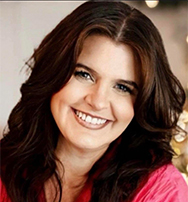 Darby Faubion, RN, BSN, MBA
Darby Faubion is a seasoned nurse, educator, and healthcare writer whose career spans nearly three decades of clinical practice, academic instruction, curriculum development, and student mentorship. Based in Louisiana, Darby has always sought to bring the warmth, resilience, and cultural richness of her home state into every aspect of her work—whether teaching future nurses, supporting families through vulnerable moments, guiding students toward success on the NCLEX, or providing insight about top nursing programs and tips for success.
Nearby States
Popular Related Articles