6 Best Iowa FNP Programs (Online & Campus) – 2026
Written By: Pattie Trumble, MPP, MPH
 Thinking about a new direction in your Iowa nursing career? The Hawkeye State has an urgent need for more family nurse practitioners! Employment opportunities for FNPs in Iowa are projected to increase by 53 percent over the next decade because FNPs function so well as primary healthcare providers. As a graduate of one of the FNP programs in Iowa, you’ll make a comfortable salary, too, averaging $129,820 a year. Returning to school can be challenging, but Iowa has many FNP programs that will fit seamlessly into your current professional and personal commitments. Your next step should be reading the list below of the 6 best FNP programs in Iowa.
FOLLOWING ARE THE 6 BEST FNP PROGRAMS IN IOWA (ONLINE & CAMPUS) FOR 2026
(Based on our Ranking Methodology, we have ranked the 6 best campus-based and online FNP programs in Iowa.)
1. University of Iowa - Iowa City
Programs Offered: DNP (BSN-to-DNP & MSN-to-DNP) and Post-Graduate Certificate
BSN-to-DNP Specialties Offered: Family Nurse Practitioner, Dual Family/Psych Mental Health Nurse Practitioner, Dual Family/Adult Gero Acute Care Nurse Practitioner, and Dual Family/Pediatric Acute Care Nurse Practitioner
MSN-to-DNP Specialties Offered: Family Nurse Practitioner
Post-Graduate Certificate Specialties Offered: Family Nurse Practitioner
BSN-to-DNP Program Details: Why is the University of Iowa's Doctor of Nursing Practice (DNP)/Family Nurse Practitioner (FNP) track widely considered not only to be one of the best FNP programs in Iowa but also one of the top in the nation? Small class sizes, flexible course delivery, and instructors recognized for their nursing expertise! You can start this program with a nursing bachelor's or nursing master's degree.
The BSN-to-DNP program consists of 79 credits split between APRN-specific coursework, core DNP classes, and courses that aim to impart the knowledge and teach the hands-on skills you'll need to become a successful provider of primary healthcare services across the lifespan. Full-time students will graduate in nine semesters (36 months), and part-time students in 11 semesters (44 months). Classes include "Evaluating Evidence for Practice," "Leadership and Management Essentials," and Health Policy, Law, and Advocacy." Though much of your coursework will be available online, NP classes are taught in person once a week at UI's campus in Iowa City. Class size is capped at 24.
UI's BSN-toDNP/FNP track involves a minimum of 1,000 sequential clinical hours, which you'll begin in the first semester of Year 2. UI's College of Nursing will arrange a clinical site and preceptor for you within the state of Iowa. DNP/FNP candidates must also complete a DNP project: an in-depth analysis of a challenge encountered during practicums to which they apply an evidence-based solution.
The University of Iowa accepts a new cohort into its DNP/FNP programs each fall.
MSN-to-DNP Program Details: To graduate from UI's MSN-to-DNP/FNP track, you must complete 72 credits. However, you'll only need to earn 29 of those credits through coursework taken at the University of Iowa since you can transfer up to 43 credits from your previous MSN studies. A certain number of your MSN clinical hours may also be eligible for credit toward the total of 1,000 clinical hours you must log to earn a DNP.
The curriculum is identical to the DNP and FNP portions of the BSN-to-DNP/FNP curriculum and includes the DNP project. The time it will take you to complete this track will depend upon the number of credits you can transfer over from your MSN studies.
Post-Graduate Certificate Program Details: Are you an APRN looking for a way to transition into primary healthcare delivery? The University of Iowa offers a 26-credit Family Nurse Practitioner certificate that most students can complete in just four semesters (16 months). Note, though, that this length of time may be longer or shorter depending on the results of the gap analysis the College of Nursing does when you first enter this program.
UI's FNP certificate requires 630 clinical hours, which you'll complete at clinics that are part of University of Iowa Health Care and other healthcare facilities in the Greater Iowa City Metropolitan Area. Students pursuing the FNP part of the curriculum attend classes at the Iowa City campus once a week. This program is only open to MSNs or DNPs with APRN certification, and it starts in the fall.
Must-Know Highlights For Potential Students
• U.S. News & World Report hails the University of Iowa's DNP/FNP degree as the 14th best in the U.S.• The University of Iowa offers three dual Family Nurse Practice options: a 102-credit (1,540 clinical hours) FNP/Psychiatric-Mental Health Nurse Practitioner (PMHNP) option that takes 12 semesters (48 months) to complete; a 102-credit (1,460 clinical hours) FNP/Adult-Gerontology Acute Care Nurse Practitioner (AGACNP) option that takes 12 semesters (48 months) to complete; and a 107-credit (1,720 clinical hours) FNP/Pediatric Acute Care Nurse Practitioner option that takes 12 semesters (48 months) to complete.
2. Mount Mercy University - Cedar Rapids
Programs Offered: MSN-to-DNP
MSN-to-DNP Specialties Offered: Family Nurse Practitioner

MSN-to-DNP Program Details: Mount Mercy University's MSN-to-DNP/FNP pathway is an excellent choice for working RNs because they only have to take one class at a time. Classes are taught at the university's campus in Cedar Rapids in manageable 5- or 10-week segments. This FNP program in Iowa has two tracks: If you're already an advanced practice RN, you'll complete 27 credits and graduate in 12 months; if you're not an APRN, you'll complete 45 credits and graduate in 24 months. DNP programs typically require 1,000 clinical hours; however, if you're already an advanced practice RN, you can apply some of the practicum hours you accrued working on your nursing master's toward your DNP degree.
You'll take classes like "Advanced Practice: Integrative Review & Synthesis," "Role Transition in Advanced Practice Nursing," and "LEEP: Legal, Ethical, Entrepreneurial, and Policy." Your clinical rotations will take place at hospitals and clinics throughout eastern Iowa, such as Mercy Medical Center, so you'll need to have RN licensure in the Hawkeye State. Mount Mercy University's MSN-to-DNP/FNP program has start dates in the spring and fall. This program is only open to candidates with an MSN from an accredited nursing program.
Must-Know Highlights For Potential Students
• Though Mount Mercy University is affiliated with the Roman Catholic Church, it welcomes students from all religious backgrounds. While Catholic values like the importance of spirituality to recovery are reflected in the university's philosophy, they are not a part of its nursing education.• Mount Mercy University offers a 10 percent tuition discount for employees of local businesses and community agencies like the Buchanan County Health Center, the Cedar Rapids Community School District, and the University of Iowa Hospitals and Clinics.
3. Clarke University - Dubuque
Programs Offered: BSN-to-DNP
BSN-to-DNP Specialties Offered: Family Nurse Practitioner

BSN-to-DNP Program Details: Clarke University is known for its personalized approach to the needs of its nursing students. The university's BSN-to-DNP/FNP limits the size of the cohorts it accepts each fall, winter, and spring to 20 students, and each first-year DNP student is paired with a third-year student who provides counsel, mentoring, and support.
The university's BSN-to-DNP/FNP track comprises 81 credits and 1,000 clinical practicum hours. Core coursework consists of a blend of DNP courses like "Research Design in Nursing," "Evidence Based Practice," and "Trends, Roles, and Issues in Nursing" as well as FNP-centric classes designed to give you the practical skills and knowledge you'll need as an NP. Though most of your coursework will be accessible online, you'll need to attend a single face-to-face meeting once a month at the university's campus in Dubuque.
Most clinical practicums are scheduled at healthcare facilities in the greater Dubuque metro area, like Unity Point Health/Finley Hospital and MercyOne Trinity Health System, but the university can help you identify and secure preceptors and clinical sites throughout the U.S. Full-time students can graduate from this FNP program in Iowa in three years and part-time students in five years.
Must-Know Highlights For Potential Students
• Clarke University's BSN-to-DNP/FNP graduates have a 100 percent first-time pass rate on their national certification examinations.• 100 percent of grads from this FNP program in Iowa find employment in their chosen field within one year of completing the DNP/FNP program.
4. Allen College - Waterloo
Programs Offered: RN-to-DNP, BSN-to-DNP, and Post Graduate Certificate
RN-to-DNP Specialties Offered: Family Nurse Practitioner
BSN-to-DNP Specialties Offered: Family Nurse Practitioner
Post Graduate Certificate Specialties Offered: Family Nurse Practitioner
RN-to-DNP Program Details: Allen College's RN-to-DNP/FNP track helps nurses with associate degrees or hospital diplomas fast-track their way to the nursing profession's terminal clinical degree. Instead of spending six years completing a BSN and then a DNP, they can enroll full-time in this FNP program in Iowa and graduate in just four and a half years. (Part-time students graduate in five and a half years.) Since this program takes less time, it will also save you money on your education. You'll receive 71 credit hours of articulation credit for your associate degree education and RN licensure, but you'll need to complete additional credits at Allen College.
Allen College's RN-to-DNP/FNP program involves 76 credits and 1,075 clinical hours. Before you take DNP courses and classes specific to the FNP track, you'll take core courses like "Concepts of Professional Nursing Practice" and "Community and Population Health Nursing." Though many of your classes will be delivered online using synchronous technology, you'll be required to visit the college's campus in Waterloo for clinical evaluations and residencies. All clinical rotations must be completed in Iowa, so you must have RN licensure in Iowa or a compact state.
New students are accepted into this RN-to-DNP/FNP track in the fall and spring. The college evaluates applicants using a holistic process that weights factors like professional experience, community service, and leadership potential in addition to academic achievement.
BSN-to-DNP Program Details: It will take you eight semesters (32 months) to graduate from Allen College's BSN-to-DNP/FNP program as a full-time student, and if you're a part-time student, it will take 12 semesters (48 months). Your coursework will be a blend of core APRN classes like "Leadership for Advanced Nursing," "Policy, Organization and Financing of Healthcare," and "Population Health," DNP classes that emphasize evidence-based practice, and clinical courses that will teach you the skills necessary to deliver high-quality primary care across the lifespan.
The curriculum also includes 1,000 hours of clinical practicum. Four hundred hours will be done as part of your four-semester DNP project. Clinical sites and preceptors are chosen for you by the School of Nursing's Clinical Coordinator. The college can't guarantee clinical placements in states outside of Iowa.
This BSN-to-DNP/FNP track welcomes new students in the spring and fall semesters. All applicants must have a BSN from an accredited nursing program with a GPA of 3.0 or higher and be licensed RNs in Iowa or a compact state.
Postgraduate Certificate Program Details: MSN-prepared nurses interested in expanding their expertise into family nurse practice should certainly check out Allen College's postgraduate Family Nurse Practice certificate! This 26-credit program includes 600 clinical hours and will take full-time students seven semesters (28 months) to complete, but part-time options are also available. New students can begin classes in the spring or fall term.
Must-Know Highlights For Potential Students
• Allen College was originally the Allen Memorial Hospital School of Nursing. It specializes in healthcare education and is affiliated with UnityPoint Health, a healthcare system operating a network of hospitals, clinics, and other healthcare facilities throughout Iowa, Illinois, and Wisconsin. Many Allen College nursing students find employment at UnityPoint Health upon graduation.• One hundred percent of Allen College's family nurse practice trainees passed their national certification boards on their very first attempt.
5. Briar Cliff University - Sioux City
Programs Offered: MSN and Post-Graduate ARNP Certificate
MSN Specialties Offered: Family Nurse Practitioner
Post-Graduate ARNP Certificate Specialties Offered: Family Nurse Practitioner
MSN Program Details: You can become qualified to serve as a primary healthcare provider across the lifespan in just 32 months by enrolling in Briar Cliff University's 56.5-credit (750 clinical hours) MSN/FNP program. Like several other FNP programs in Iowa, Briar Cliff U's program uses a hybrid format: While most of your coursework will be online, you will be expected to visit the university's campus in Sioux City twice during your enrollment for two two-day skills workshops.
Core courses include "Theoretical Foundations for Advanced Practice," "Population Health," and "Research Methods for Advanced Practice Nursing" in addition to classes designed to hone your clinical skills and knowledge base. You'll work with the university's clinical coordinator to identify a clinical preceptor and practicum somewhere in Iowa.
This program was designed for part-time students to complete in eight semesters (32 months) so it can best accommodate the needs of working RNs. New students can begin this program in the fall. All applicants must hold RN licenses in Iowa or a compact state and have at least 2,000 hours of clinical nursing practice accrued within the past two years before starting classes.
Post-Graduate ARNP Certificate Program Details: Interested in earning a family nurse practitioner credential and already have your MSN? Briar Cliff University's three-year post-graduate FNP track is perfect for nurses who don't want to stop working because it's designed to be completed part-time over three years. You'll make two visits to Briar Cliff U's Sioux City campus over the course of your studies for a total of five on-site days, but apart from these brief residencies and your clinical rotations, all your educational materials will be available online.
This post-graduate FNP certificate entails 25 credits and 600 clinical hours, which you must complete at a healthcare facility in the Hawkeye State. The program accepts a new cohort each fall.
Must-Know Highlights For Potential Students
• Briar Cliff University is a Catholic university in the Franciscan tradition. Its nursing programs are rooted in Franciscan values of service and social justice, but Catholic teachings are not explicitly reflected in its nursing education.• You must participate in at least one clinical rotation in a rural, medically underserved, or multicultural setting.
6. Morningside University - Sioux City
Programs Offered: MSN (Family Primary Care Nurse Practitioner) and Post-Master’s Certificate (Family Primary Care Nurse Practitioner)
MSN Program Details: In a hurry to earn your family nurse practitioner credential? If you enroll full-time in Morningside University's MSN/FNP track, you can qualify to take your certification exam in just four semesters. If you want to enroll part-time, it will take you six semesters to complete this course of study.
The 50-credit program curriculum includes 23 credits of core MSN courses like "Advanced Role Development" and "Evidence-based Research," and 27 credits of family nurse practice specialty classes like "Adult Primary Care I & II." Coursework is taught online, but you must attend two residencies at Morningside University's campus in Sioux City—a three-day skills intensive and a one-day capstone project presentation. You'll also be responsible for completing 750 clinical hours at a healthcare facility in Iowa.
The Morningstar University MSN/FNP program requires a BSN from an accredited program with a cumulative grade point average of at least 3.0 and Iowa RN licensure for enrollment.
Post-Master’s Certificate Program Details: Are you an RN with a graduate degree who wants to expand your clinical scope of practice to include primary healthcare nursing across the lifespan? Morningside University offers an FNP certificate that provides for 750 clinical hours at an Iowa-based healthcare facility and two on-site visits. Upon admission, your specific curriculum will be determined through a gap analysis, but most students complete 36 credits and graduate in four semesters.
Must-Know Highlights For Potential Students
• Morningside University is affiliated with the United Methodist Church. However, the university welcomes students from a variety of religious backgrounds, and Methodist doctrine is not a component of its nursing education.• Morningside University prioritizes nursing research. Students will have opportunities to participate in research conducted by the Palmer Student Research Symposium and exhibit their findings on Maud Adams Nursing Research Day.
HOW MUCH DO FNP GRADUATES MAKE IN IOWA?
WHAT STARTING SALARY CAN NEW GRADUATES OF FNP PROGRAMS IN IOWA EXPECT?
| Hourly | $45.92 |
| Weekly | $1,837 |
| Monthly | $7,960 |
| Annual | $95,510 |
HOW MUCH CAN GRADUATES OF FNP PROGRAMS IN IOWA EARN WITH EXPERIENCE?
| Level of Experience | Hourly | Weekly | Monthly | Annual |
| Entry-Level | $45.92 | $1,837 | $7,960 | $95,510 |
| 1-4 Years of Experience | $51.96 | $2,078 | $9,010 | $108,070 |
| 5-9 Years of Experience | $61.33 | $2,453 | $10,630 | $127,570 |
| 10-19 Years of Experience | $68.30 | $2,732 | $11,840 | $142,070 |
| 20 Years or More Experience | $81.62 | $3,265 | $14,150 | $169,770 |
WHAT IS THE AVERAGE FNP SALARY IN IOWA?
| Hourly | $62.41 |
| Weekly | $2,497 |
| Monthly | $10,820 |
| Annual | $129,820 |
HOW MUCH DO FNPS EARN IN THE VARIOUS METROS OF IOWA?
| Metro | Hourly | Weekly | Monthly | Annual |
| Ames | $63.19 | $2,528 | $10,950 | $131,440 |
| Cedar Rapids | $60.41 | $2,417 | $10,470 | $125,660 |
| Davenport-Moline-Rock Island | $60.02 | $2,401 | $10,400 | $124,850 |
| Des Moines-West Des Moines | $63.06 | $2,522 | $10,930 | $131,160 |
| Dubuque | $60.92 | $2,437 | $10,560 | $126,720 |
| Iowa City | $58.78 | $2,351 | $10,190 | $122,260 |
| Sioux City | $67.06 | $2,683 | $11,620 | $139,490 |
| Waterloo-Cedar Falls | $65.01 | $2,600 | $11,270 | $135,220 |
FNP SALARY IN IOWA VS. OTHER SALARIES
FNP SALARY IN IOWA VS. FNP SALARY IN THE NATION
| Average Iowa FNP Annual Salary | Average National FNP Annual Salary | Difference | |
| Number | % | ||
| $129,820 | $127,510 | +$2,310 | +1.81% |
FNP SALARY IN IOWA VS. FNP SALARIES IN OTHER STATES
| State | Average Annual Salary | Difference | |
| Number | % | ||
| California | $160,310 | -$30,490 | -19.02% |
| Nevada | $147,540 | -$17,720 | -12.01% |
| Washington | $144,290 | -$14,470 | -10.03% |
| New Jersey | $143,920 | -$14,100 | -9.80% |
| Oregon | $143,840 | -$14,020 | -9.75% |
| Massachusetts | $142,910 | -$13,090 | -9.16% |
| New York | $141,740 | -$11,920 | -8.41% |
| Connecticut | $135,940 | -$6,120 | -4.50% |
| New Mexico | $135,730 | -$5,910 | -4.35% |
| Minnesota | $133,980 | -$4,160 | -3.10% |
| District of Columbia | $133,820 | -$4,000 | -2.99% |
| Rhode Island | $132,440 | -$2,620 | -1.98% |
| Hawaii | $131,600 | -$1,780 | -1.35% |
| Arizona | $131,550 | -$1,730 | -1.32% |
| Delaware | $130,110 | -$290 | -0.22% |
| Iowa | $129,820 | $0 | 0.00% |
| New Hampshire | $129,740 | +$80 | +0.06% |
| Texas | $129,020 | +$800 | +0.62% |
| Wisconsin | $127,350 | +$2,470 | +1.94% |
| Maryland | $127,010 | +$2,810 | +2.21% |
| Utah | $126,850 | +$2,970 | +2.34% |
| North Dakota | $126,790 | +$3,030 | +2.39% |
| Pennsylvania | $126,480 | +$3,340 | +2.64% |
| Illinois | $125,930 | +$3,890 | +3.09% |
| Alaska | $125,210 | +$4,610 | +3.68% |
| Vermont | $125,140 | +$4,680 | +3.74% |
| Montana | $123,690 | +$6,130 | +4.96% |
| Idaho | $123,600 | +$6,220 | +5.03% |
| Oklahoma | $123,380 | +$6,440 | +5.22% |
| Wyoming | $122,620 | +$7,200 | +5.87% |
| Indiana | $122,380 | +$7,440 | +6.08% |
| Maine | $122,000 | +$7,820 | +6.41% |
| Ohio | $121,930 | +$7,890 | +6.47% |
| Colorado | $121,060 | +$8,760 | +7.24% |
| Nebraska | $120,750 | +$9,070 | +7.51% |
| North Carolina | $120,660 | +$9,160 | +7.59% |
| Georgia | $120,230 | +$9,590 | +7.98% |
| South Dakota | $120,060 | +$9,760 | +8.13% |
| Virginia | $119,950 | +$9,870 | +8.23% |
| Michigan | $119,760 | +$10,060 | +8.40% |
| Florida | $118,800 | +$11,020 | +9.28% |
| Kansas | $118,360 | +$11,460 | +9.68% |
| Louisiana | $117,760 | +$12,060 | +10.24% |
| Mississippi | $116,590 | +$13,230 | +11.35% |
| South Carolina | $116,050 | +$13,770 | +11.87% |
| Missouri | $115,790 | +$14,030 | +12.12% |
| West Virginia | $112,580 | +$17,240 | +15.31% |
| Arkansas | $112,550 | +$17,270 | +15.34% |
| Kentucky | $109,530 | +$20,290 | +18.52% |
| Alabama | $109,180 | +$20,640 | +18.90% |
| Tennessee | $102,930 | +$26,890 | +26.12% |
FNP SALARY IN IOWA VS. OTHER NURSE SALARIES IN IOWA
| Type of Nurse | Average Annual Salary | Difference | |
| Number | % | ||
| Nurse Anesthetist | $227,710 | -$97,890 | -42.99% |
| Family Nurse Practitioner | $129,820 | $0 | 0.00% |
| Nurse Midwife | $124,040 | +$5,780 | +4.66% |
| Registered Nurse | $74,610 | +$55,210 | +74.00% |
| Nursing Instructor and Teacher, Postsecondary | $71,690 | +$58,130 | +81.09% |
| Licensed Practical and Licensed Vocational Nurse | $55,870 | +$73,950 | +132.36% |
| Nursing Assistant | $38,380 | +$91,440 | +238.25% |
FNP SALARY IN IOWA VS. SALARIES OF OTHER CLOSELY RELATED OCCUPATIONS IN IOWA
| Job Title | Average Annual Salary | Difference | |
| Number | % | ||
| Dentist | $186,420 | -$56,600 | -30.36% |
| Podiatrist | $163,700 | -$33,880 | -20.70% |
| Family Nurse Practitioner | $129,820 | $0 | 0.00% |
| Physician Assistant | $129,230 | +$590 | +0.46% |
| Pharmacist | $127,780 | +$2,040 | +1.60% |
| Optometrist | $122,970 | +$6,850 | +5.57% |
| Veterinarian | $106,040 | +$23,780 | +22.43% |
| Physical Therapist | $91,850 | +$37,970 | +41.34% |
| Occupational Therapist | $85,790 | +$44,030 | +51.32% |
| Audiologist | $83,620 | +$46,200 | +55.25% |
| Dental Hygienist | $83,220 | +$46,600 | +56.00% |
| Radiation Therapist | $82,310 | +$47,510 | +57.72% |
| Speech-Language Pathologist | $82,210 | +$47,610 | +57.91% |
| Chiropractor | $69,650 | +$60,170 | +86.39% |
FREQUENTLY ASKED QUESTIONS ANSWERED
1. Who Accredits FNP Programs In Iowa?
| S.No. | Accrediting Agency |
| 1 | Accreditation Commission for Education in Nursing (ACEN) |
| 2 | Commission on Collegiate Nursing Education (CCNE) |
2. How Many Accredited FNP Schools Are There In Iowa?
| 6 |
3. On Average, How Much Does A Family NP Make Per Hour In Iowa?
| $62.41 |
4. On Average, How Much Does A Family NP Make Per Week In Iowa?
| $2,497 |
5. On Average, How Much Does A Family NP Make Per Month In Iowa?
| $10,820 |
6. On Average, How Much Does A Family NP Make Per Year In Iowa?
| $129,820 |
7. What Is The Job Outlook For FNPs In Iowa?
| 10-Year Job Outlook (2022-2032) |
| +52.92% |
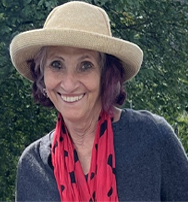 Pattie Trumble, MPP, MPH
Pattie Trumble is a nurse who worked in both California and New York for many years as an emergency room nurse. She holds a Bachelor’s Degree in Economics from the University of California, Berkeley, and an Associate Degree in Nursing from the Samuel Merritt Hospital School of Nursing. After 10 years of providing direct care, she went back to school and earned concurrent Master’s degrees in both public policy and public health from the University of California, Berkeley. Thereafter, she worked for various public health agencies in California at both the community and state levels providing economic and legislative analysis.
Nearby States
Popular Related Articles