Best Psychiatric Nurse Practitioner Programs in South Dakota (Online & Campus) – 2026
Written By: Darby Faubion, RN, BSN, MBA
 Earning a degree from one of the PMHNP programs in South Dakota is a smart move if you’re an RN with the ability to assess complex situations and a fascination with the human psyche. PMHNPs in the Mount Rushmore State can deliver mental health services more economically than psychiatrists, which makes the delivery of mental health services more accessible and affordable, particularly for individuals in remote, underserved areas. That’s why employment opportunities for PMHNPs in South Dakota are projected to rise 56 percent in the next 10 years, and these professionals make $137,680 a year on average. Could this be the career for you? Learn more in this guide to the best PMHNP programs in South Dakota.
FOLLOWING ARE THE BEST PSYCHIATRIC NURSE PRACTITIONER PROGRAMS IN SOUTH DAKOTA (ONLINE & CAMPUS) FOR 2026
(Based on our Ranking Methodology, we have ranked the best campus-based and online PMHNP programs in South Dakota.)
1. Mount Marty University - Yankton
Programs Offered: MSN and Post-Graduate Certificate

MSN Program Details: Are you a registered nurse with a BSN who wants to become a psychiatric nurse practitioner and earn your MSN? If so, Mount Marty University offers an amazing program that will help you achieve this goal! This MSN PMHNP program in South Dakota is designed to prepare you with the clinical skills and knowledge to be an expert in psychiatric mental healthcare.
At Mount Marty, you will learn to apply an evidence-based approach to diagnosing and treating a broad range of mental health conditions by providing psychotherapy and pharmacotherapeutic measures. The MSN PMHNP program admits students in the summer annually and takes two years to complete. The program features a 50-credit curriculum. You will study in classes, including Psychotherapeutic Modalities, Neuroscience & Psychopharmacology, PMHNP Care of Adults/Older Adults, and PMHNP Care of Pediatrics/Families. The program also includes 750 clinical practicum hours.
MSN Admission Requirements: To be eligible for admission to the MSN PMHNP program at Mount Mary, applicants need a bachelor's degree in nursing from any ACEN- OR CCNE-accredited nursing program and must provide proof of current licensure as an RN with at least one year of work experience (two years are preferred). Candidates must provide three letters of recommendation, a current resume, a copy of their current BLS certificate, and a personal essay, and will interview with program faculty. Additionally, official transcripts from all colleges or universities previously attended are required and must reflect a cumulative GPA of at least 3.0 on a 4.0 schedule and show successful completion of an undergraduate Statistics course.
Post-Graduate Certificate Program Details: If you already hold a master’s degree in nursing and want to earn a Psychiatric Mental Health NP certificate, the Post-Graduate Certificate program at Mount Marty is a great option. Your plan of study will be determined based on an assessment of your previous transcripts, coursework, grades, clinical hours, and any course waivers that are granted. While concentration-specific courses and clinicals are required, the total number varies from one student to the next based on this analysis.
Post-Graduate Certificate Admission Requirements: Prospective students seeking admission to the Post-Graduate Certificate program must have a minimum Master of Science in Nursing earned from an ACEN- or CCNE-accredited program and a current RN license with at least one year of work experience as a registered nurse. Candidates with two years of work experience are preferred. Applicants are required to provide official transcripts from all post-secondary schools they attended reflecting a minimum cumulative GPA of 3.0 and showing completion of an undergraduate Statistics course, a copy of current BLS for Healthcare Providers, a Personal Essay, a current resume, and three letters of recommendation. An interview will be conducted as a final step in the admission process.
Must-Know Highlights for Potential Students
• One of the things I love about nursing is that it is truly a work of the heart. Nurses are known for giving to others, especially those in most need. Mount Marty's nursing program embraces the spirit of service by integrating clinical experiences in rural and underserved settings. This means you will have opportunities to care for patients who need it most.• In your search to find a top PMHNP program in South Dakota, I recommend looking for schools with high rankings. Try to find information from reputable sources. For instance, U.S. News & World Report uses a set of indicators of excellence to rank schools based on various key factors. It has ranked Mount Marty in several categories, including Top Regional Universities Midwest, Top Performers on Social Mobility, and Best Nursing Programs: Master's.
• Mount Marty University was founded in 1936 by the Sisters of Sacred Heart Monastery. The school has a long history of preparing students through academic excellence founded in Benedictine traditions. This faith-based approach to nursing education emphasizes personal skills, moral character, and spiritual and social values, preparing students to provide a holistic approach to mental health care.
• One of the main concerns many nursing students and prospective students face is the cost of going to school. Nursing school can be expensive, especially when you pursue a graduate degree, like the PMHNP programs in South Dakota. Mount Marty University understands that struggle and works with students to find the best resources to help accommodate them financially. According to the financial aid office, 100% of students receive some type of financial aid offer, and on average, students receive $25,000 per year in institutional scholarships!
2. South Dakota State University - Brookings
Programs Offered: BSN-to-DNP, MSN-to-DNP, and Post-Graduate Certificate

BSN-to-DNP Program Details: If you are a bachelor's-prepared registered nurse who wants to earn a doctoral degree in nursing and become a Psychiatric Mental Health Nurse Practitioner, South Dakota State University is definitely a school worth considering. The school offers a BSN-to-DNP program that admits students in the fall annually and takes four years to complete.
This DNP PMHNP program in South Dakota features online coursework and field-based practicum experiences. The curriculum consists of classes, including Advanced Concepts of Clinical Epidemiology, Psychopharmacology & Neurobiology Across the Lifespan, and Advanced Psychiatric Assessment & Differential Diagnosis Across the Lifespan.
The BSN-to-DNP program requires a minimum of 1,000 clinical hours. Clinical hours are earned through direct patient care experiences and indirect experiences through the completion of a DNP Scholarly Project. Faculty members select clinical practicum sites and preceptors with input from students solicited for some courses.
BSN-to-DNP Admission Requirements: Applicants desiring admission to the BSN-to-DNP program must have a bachelor's degree in nursing from an ACEN- or CCNE-accredited nursing program, a current RN license in the United States or its territories, and 1,500 documented hours of clinical nursing practice prior to beginning the first clinical course. Candidates are required to complete an application to the SDSU Graduate School and the SDSU graduate nursing program through NursingCAS. In addition to applications, you must provide official transcripts reflecting a minimum GPA of 3.0, a resume or CV, and complete an online written statement. An interview with graduate nursing faculty may also be required.
MSN-to-DNP Program Details: SDSU also offers a pathway for registered nurses with a master’s degree to earn a clinical doctorate and specialize in the Psychiatric Mental Health NP concentration. The MSN-to-DNP program is designed to be completed in just three years. New classes are admitted in the fall of each year.
In this post-master’s DNP program, you will gain the skills you need to influence healthcare by addressing health disparities, providing culturally sensitive care, and demonstrating leadership through advanced nursing practice. The program is designed with a 58-63 plan of study. However, if you have completed the 3 P’s (Advanced Assessment, Advanced Pathophysiology, and Advanced Pharmacology), this will subtract 12 credits from your individual study plan.
The program has 540 hours of direct patient clinical hours included in the curriculum. You will also complete indirect clinical hours through the completion of the DNP Scholarly Project. All DNP students are required to complete a minimum of 1,000 post-bachelor's clinical hours. Therefore, an analysis of your master's program clinical hours will be performed to determine how many hours may be applied to the DNP program.
MSN-to-DNP Admission Requirements: Prospective students for the MSN-to-DNP program at South Dakota State University must have a minimum master's degree in nursing earned from a program accredited by the ACEN or CCNE with a minimum cumulative GPA of 3.0 or higher on a 4.0 scale preferred. Candidates must have a current unrestricted RN license and national certification as a nurse practitioner, certified nurse midwife, certified registered nurse anesthetist, or clinical nurse specialist.
In addition to completing a Graduate School Application, you are required to complete a School of Nursing application via NursingCAS. Additionally, you must submit a Professional Employment Verification form verifying at least 1,500 hours of work experience as a registered nurse, and provide a copy of your RN license and APRN certification and official transcripts from all colleges or universities you have attended.
Post-Graduate Certificate Program Details: The Post-Graduate PMHNP Certificate program at South Dakota State University offers a pathway to becoming a Psychiatric Mental Health NP without spending years in college to do so. The program admits students in the fall and takes an average of three semesters to complete.
The Post-Graduate Certificate program features an 18-credit curriculum consisting of online coursework. Field-based practicums include a total of 540 hours of direct patient care. Because each graduate student’s previous academic record varies, a review of your prior transcripts is required to determine an individualized plan of study, which could mean an adjustment in the number of credits needed to earn the certificate.
Post-Graduate Certificate Admission Requirements: To be an eligible applicant for the Post-Graduate Certificate program, you need a Master’s degree in nursing, a current RN license in the U.S. or its territories, and 1,500 hours of documented nursing experience before beginning the first clinical course.
Candidates are required to submit official transcripts from all post-secondary schools attended. Transcripts should reflect a minimum 3.0 college GPA and show completion of graduate-level courses in Advanced Physical Assessment, Advanced Pathophysiology, and Advanced Pharmacology/Pharmacotherapeutics with course grades of 3.0 or better. A completed application via NursingCAS is required. Additionally, applicants must complete a written and verbal assessment through Kira Talent.
Must-Know Highlights for Potential Students
• When searching for a PMHNP program in South Dakota, I recommend looking for schools with good student/graduate success rates, as these indicate the program's strength and allow you to gauge how well you will be prepared. For example, graduates of the PMHNP program at South Dakota State University have a 100% pass rate on national certification exams, which is outstanding!• SDSU's Psychiatric Mental Health NP program boasts a diverse faculty of doctorally-prepared advanced practice nurses and mental health practitioners. Faculty members not only have years of experience in nursing education but also remain active in clinical practice, which means they are abreast of current trends and research in the field and can pass their knowledge and insight along to you.
• At South Dakota State University, you will have an advisor who works with you from the time of admission and throughout the program to ensure you have the guidance, resources, and support you need to succeed.
• While students in the PMHNP programs at SDSU can collaborate or offer input about preferred clinical sites and preceptors, you are not faced with the task of securing sites and preceptors alone. The School of Nursing faculty is actively involved in clinical placement, ensuring you have the right experiences. The school has several clinical partner sites and preceptors and works with you to provide diverse clinical learning opportunities.
HOW MUCH DO PMHNP GRADUATES MAKE IN SOUTH DAKOTA?
WHAT STARTING SALARY CAN NEW GRADUATES OF PMHNP PROGRAMS IN SOUTH DAKOTA EXPECT?
| Hourly | $54.51 |
| Weekly | $2,181 |
| Monthly | $9,450 |
| Annual | $113,390 |
HOW MUCH CAN GRADUATES OF PMHNP PROGRAMS IN SOUTH DAKOTA EARN WITH EXPERIENCE?
| Level of Experience | Hourly | Weekly | Monthly | Annual |
| Entry-Level | $54.51 | $2,181 | $9,450 | $113,390 |
| 1-4 Years of Experience | $57.22 | $2,289 | $9,920 | $119,010 |
| 5-9 Years of Experience | $68.13 | $2,725 | $11,810 | $141,720 |
| 10-19 Years of Experience | $72.02 | $2,881 | $12,480 | $149,800 |
| 20 Years or More Experience | $82.50 | $3,300 | $14,300 | $171,600 |
WHAT IS THE AVERAGE PMHNP SALARY IN SOUTH DAKOTA?
| Hourly | $66.19 |
| Weekly | $2,648 |
| Monthly | $11,470 |
| Annual | $137,680 |
HOW MUCH DO PMHNPS EARN IN THE VARIOUS METROS OF SOUTH DAKOTA?
| Metro | Hourly | Weekly | Monthly | Annual |
| Rapid City | $64.13 | $2,565 | $11,120 | $133,390 |
| Sioux Falls | $67.49 | $2,700 | $11,700 | $140,380 |
PMHNP SALARY IN SOUTH DAKOTA VS. OTHER SALARIES
PMHNP SALARY IN SOUTH DAKOTA VS. PMHNP SALARY IN THE NATION
| Average South Dakota PMHNP Annual Salary | Average National PMHNP Annual Salary | Difference | |
| Number | % | ||
| $137,680 | $151,030 | -$13,350 | -8.84% |
PMHNP SALARY IN SOUTH DAKOTA VS. PMHNP SALARIES IN OTHER STATES
| State | Average Annual Salary | Difference | |
| Number | % | ||
| California | $194,440 | -$56,760 | -29.19% |
| Oregon | $171,360 | -$33,680 | -19.65% |
| New Jersey | $171,330 | -$33,650 | -19.64% |
| New York | $169,290 | -$31,610 | -18.67% |
| Massachusetts | $167,550 | -$29,870 | -17.83% |
| Washington | $167,400 | -$29,720 | -17.75% |
| Alaska | $164,030 | -$26,350 | -16.06% |
| District of Columbia | $161,120 | -$23,440 | -14.55% |
| New Mexico | $157,860 | -$20,180 | -12.78% |
| Rhode Island | $157,470 | -$19,790 | -12.57% |
| Hawaii | $157,200 | -$19,520 | -12.42% |
| Connecticut | $156,570 | -$18,890 | -12.06% |
| Arizona | $154,660 | -$16,980 | -10.98% |
| Vermont | $153,340 | -$15,660 | -10.21% |
| New Hampshire | $151,880 | -$14,200 | -9.35% |
| Nevada | $151,150 | -$13,470 | -8.91% |
| Utah | $150,770 | -$13,090 | -8.68% |
| Iowa | $150,630 | -$12,950 | -8.60% |
| Minnesota | $149,480 | -$11,800 | -7.89% |
| Montana | $148,820 | -$11,140 | -7.49% |
| Wisconsin | $148,680 | -$11,000 | -7.40% |
| Maine | $147,630 | -$9,950 | -6.74% |
| Oklahoma | $147,620 | -$9,940 | -6.73% |
| Idaho | $146,760 | -$9,080 | -6.19% |
| Maryland | $146,700 | -$9,020 | -6.15% |
| Delaware | $146,190 | -$8,510 | -5.82% |
| Michigan | $146,070 | -$8,390 | -5.74% |
| Wyoming | $145,950 | -$8,270 | -5.67% |
| Colorado | $145,790 | -$8,110 | -5.56% |
| Pennsylvania | $145,280 | -$7,600 | -5.23% |
| Nebraska | $144,880 | -$7,200 | -4.97% |
| Texas | $144,560 | -$6,880 | -4.76% |
| Missouri | $144,070 | -$6,390 | -4.44% |
| Illinois | $144,030 | -$6,350 | -4.41% |
| North Carolina | $143,960 | -$6,280 | -4.36% |
| Florida | $143,450 | -$5,770 | -4.02% |
| Arkansas | $143,290 | -$5,610 | -3.92% |
| Virginia | $141,970 | -$4,290 | -3.02% |
| Georgia | $141,680 | -$4,000 | -2.82% |
| Kansas | $140,730 | -$3,050 | -2.17% |
| West Virginia | $139,460 | -$1,780 | -1.28% |
| Louisiana | $139,290 | -$1,610 | -1.16% |
| Indiana | $139,260 | -$1,580 | -1.13% |
| North Dakota | $139,010 | -$1,330 | -0.96% |
| Mississippi | $137,870 | -$190 | -0.14% |
| South Dakota | $137,680 | $0 | 0.00% |
| Kentucky | $137,510 | +$170 | +0.12% |
| South Carolina | $136,590 | +$1,090 | +0.80% |
| Ohio | $135,200 | +$2,480 | +1.83% |
| Tennessee | $127,060 | +$10,620 | +8.36% |
| Alabama | $122,070 | +$15,610 | +12.79% |
PMHNP SALARY IN SOUTH DAKOTA VS. OTHER NURSE SALARIES IN SOUTH DAKOTA
| Type of Nurse | Average Annual Salary | Difference | |
| Number | % | ||
| Nurse Anesthetist | $249,720 | -$112,040 | -44.87% |
| Psychiatric Nurse Practitioner | $137,680 | $0 | 0.00% |
| Registered Nurse | $77,140 | +$60,540 | +78.48% |
| Nursing Instructor and Teacher, Post-secondary | $74,120 | +$63,560 | +85.75% |
| Licensed Practical and Licensed Vocational Nurse | $54,990 | +$82,690 | +150.37% |
| Nursing Assistant | $39,510 | +$98,170 | +248.47% |
PMHNP SALARY IN SOUTH DAKOTA VS. SALARIES OF OTHER CLOSELY RELATED OCCUPATIONS IN SOUTH DAKOTA
| Job Title | Average Annual Salary | Difference | |
| Number | % | ||
| Dentist | $164,030 | -$26,350 | -16.06% |
| Pharmacist | $142,330 | -$4,650 | -3.27% |
| Psychiatric Nurse Practitioner | $137,680 | $0 | 0.00% |
| Physician Assistant | $131,910 | +$5,770 | +4.37% |
| Optometrist | $118,060 | +$19,620 | +16.62% |
| Radiation Therapist | $106,820 | +$30,860 | +28.89% |
| Veterinarian | $93,990 | +$43,690 | +46.48% |
| Physical Therapist | $93,200 | +$44,480 | +47.73% |
| Audiologist | $92,960 | +$44,720 | +48.11% |
| Dental Hygienist | $89,180 | +$48,500 | +54.38% |
| Occupational Therapist | $88,150 | +$49,530 | +56.19% |
| Chiropractor | $84,230 | +$53,450 | +63.46% |
| Speech-Language Pathologist | $73,310 | +$64,370 | +87.81% |
FREQUENTLY ASKED QUESTIONS ANSWERED
1. Who Accredits PMHNP Programs In South Dakota?
| S.No. | Accrediting Agency |
| 1 | Accreditation Commission for Education in Nursing (ACEN) |
| 2 | Commission on Collegiate Nursing Education (CCNE) |
2. How Many Accredited PMHNP Schools Are There In South Dakota?
| 2 |
3. On Average, How Much Does A Psychiatric NP Make Per Hour In South Dakota?
| $66.19 |
4. On Average, How Much Does A Psychiatric NP Make Per Week In South Dakota?
| $2,648 |
5. On Average, How Much Does A Psychiatric NP Make Per Month In South Dakota?
| $11,470 |
6. On Average, How Much Does A Psychiatric NP Make Per Year In South Dakota?
| $137,680 |
7. What Is The Job Outlook For PMHNPs In South Dakota?
| 10-Year Job Outlook (2022-2032) |
| +56.10% |
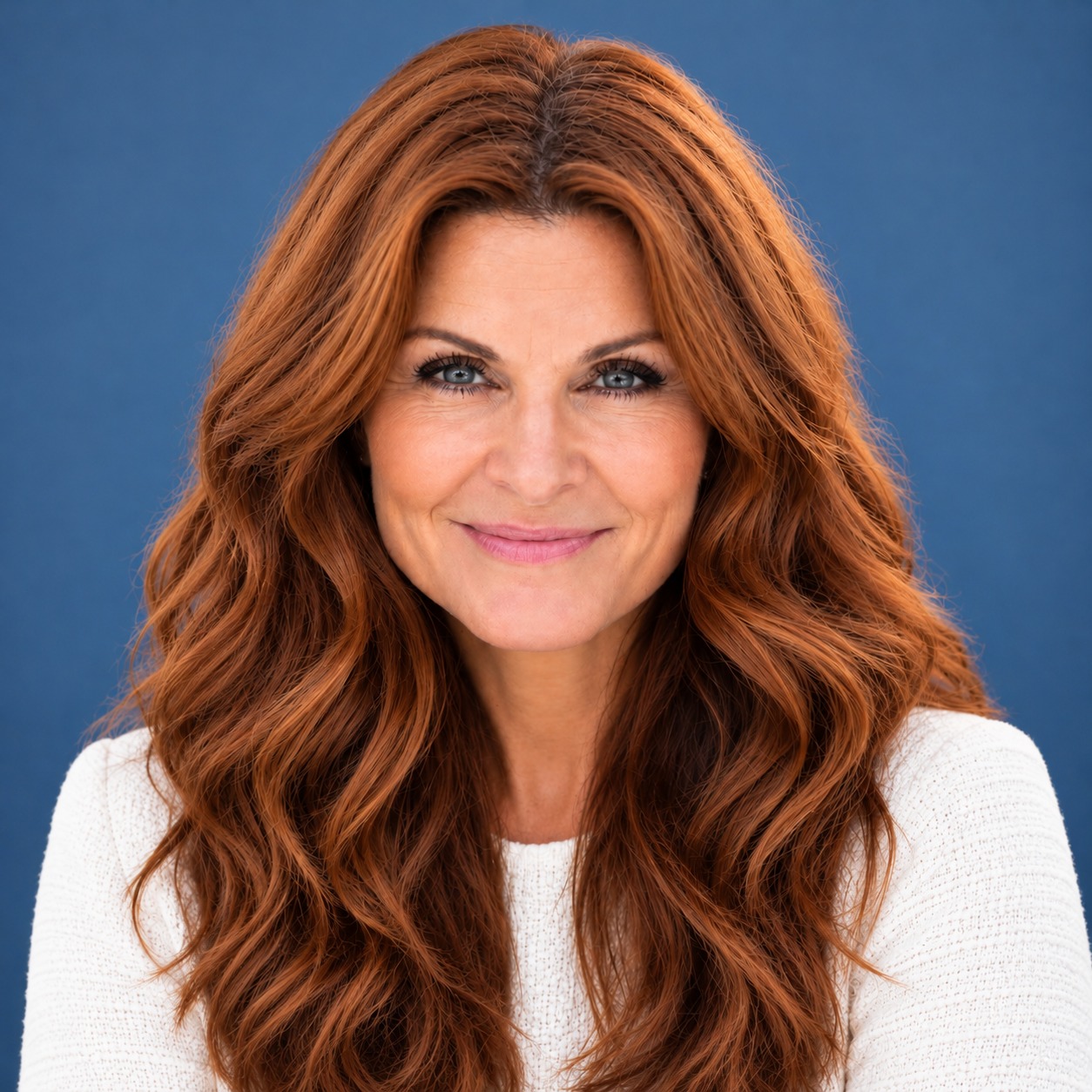
Darby Faubion, RN, BSN, MBA
EDITOR-IN-CHIEFDarby Faubion is a nurse, educator, healthcare writer, and editorial leader with nearly three decades of experience spanning clinical practice, nursing education, curriculum development, and student mentorship. As Editor-in-Chief of NursingProcess.org, she draws on her extensive healthcare and academic background to guide the development of informative, accessible content that helps prospective nursing students explore educational pathways, compare nursing programs, and make informed decisions about their professional futures. Read Full Profile »»
Nearby States