BSN-to-DNP Programs in North Dakota – 2026
Written By: Darby Faubion RN, BSN, MBA
 Want to maximize the investment you’re making in your graduate nursing education? Consider enrolling in one of the BSN-to-DNP programs in North Dakota. A Doctor of Nursing Practice degree allows you to focus either on clinical practice, which will let you deliver primary care, or on executive leadership, which will prepare you to help run healthcare facilities or write healthcare policy. A DNP offers good salary prospects and job security, too; North Dakota DNPs average $137,620 a year, and employment opportunities are projected to rise by more than 48 percent over the next ten years. Learn more with this guide to the best BSN-to-DNP programs in North Dakota.
WHAT ARE THE BEST BSN-TO-DNP PROGRAMS IN NORTH DAKOTA (ONLINE & CAMPUS) FOR 2026?
Based on our Ranking Methodology, listed below are the Best BSN-to-DNP programs in North Dakota (Online & Campus) for 2026.
1. North Dakota State University - Fargo
Specialties Offered: Family Nurse Practitioner
The post-baccalaureate DNP Family Nurse Practitioner program requires the completion of 86 credits. The curriculum focus includes classes such as Evidence-Based Practice & Research Methods, Population Health & Rural Healthcare Delivery, Advanced Pathophysiology Across the Lifespan, Advanced Health Assessment, and Specialty Courses in Family Practice Across the Lifespan.
Students in the BSN-to-DNP program complete a minimum of 1,020 supervised clinical hours across diverse clinical settings. Your clinical experiences include opportunities to provide care to patients from newborns through older adults experiencing a broad range of health issues. Clinical placements are facilitated by faculty, which means you can feel confident that you will have varied, high-quality experiences. The program culminates with the completion and dissemination of a DNP Scholarly Project designed to address a real-world clinical or systems issue.
Admission Requirements: To be eligible for admission to the BSN-to-DNP program at North Dakota State University, you need a Bachelor of Science in Nursing degree from an accredited institution and a current RN license in good standing. Candidates must submit a resume, a Personal Statement, three letters of professional recommendation, and official transcripts with a minimum cumulative grade point average of 3.0 or higher. You may be required to interview with program faculty to assess readiness for DNP study.
Why Choose This Program
• One of the many accolades of the BSN-to-DNP program at North Dakota State University is that graduates have a 100% first-time pass rate on the Family Nurse Practitioner national certification examination. This is an important factor to consider, as high pass rates indicate that the program prepares students with the knowledge and skills needed not only to succeed in the program but also to succeed following graduation.• At North Dakota State University, you will receive personalized support from program faculty from the time you are admitted, throughout the program’s duration, and beyond. The program is led by eight faculty members with over 100 years of combined experience. Their commitment to nursing education and the students they serve is one of the things that make this program one of the top BSN-to-DNP programs in North Dakota.
• One of the biggest hurdles prospective students face when deciding to pursue a graduate degree is how to pay for their education. It is especially challenging when pursuing a doctoral-level nurse practitioner program, as these programs are quite expensive. NDSU believes cost should not deter you from achieving your dreams. The school has financial aid advisors and counselors available to assist you in finding financial resources to help fund your degree. Many students qualify for scholarships, grants, and assistantships, which can significantly reduce out-of-pocket costs.
• Student support is a crucial factor in graduate nursing programs. At North Dakota State University, each student is assigned to a personal advisor upon admission. Your advisor will work with you throughout the program. Your advisor will be the “go-to” person for guidance and resources while a student at NDSU.
2. University of Mary - Bismarck
Specialties Offered: Family Nurse Practitioner
This BSN-to-DNP program features an online format and includes a week-long institute on the main campus. The institute features opportunities for hands-on learning and collaboration with faculty and peers.
The 86-credit curriculum features classes, including Population Health & Rural/Underserved Care, Human Responses, Clinical Decision Making, & Diagnostic Testing, Care of Women & Children, Acute & Emergent Health Problems, and Advanced Pathophysiology. All students in the DNP program complete a doctoral-level scholarly project that addresses a clinical or systems issue and integrates practice and research. Further, the program includes 1,180 supervised clinical hours in diverse clinical settings. Clinicals are completed in primary care, rural health, family practice, and chronic disease management settings.
Admission Requirements: To be considered for admission to the BSN-to-DNP program at the University of Mary, you need a Bachelor of Science in Nursing from an accredited institution and a current, unencumbered license to practice as a Registered Nurse. All candidates are required to submit a Personal Statement, three letters of recommendation, a professional resume, and official transcripts showing a cumulative GPA of 3.0 or higher on a 4.0 scale. A Statistics course with a grade of “B” or higher and prior nursing experience are also required. Applicants may be invited to interview with faculty before receiving an official offer of admission.
Why Choose This Program
• If you are searching for a BSN-to-DNP program with a proven record for success, you need to look no further than the University of Mary. The program has more than 30 years of experience preparing nurses for advanced practice roles. The School of Nursing’s dedication to high-quality education and maintaining high standards that align with current trends in nursing in healthcare means you will be well-equipped to transition to a new role as a doctorally-prepared Family Nurse Practitioner.• As a nurse educator, I understand how overwhelming it can feel when students feel lost in the crowd because class sizes seem too large. One of the things I like about the University of Mary is the low student-to-faculty ratio. The school strives to maintain a maximum 10:1 ratio, ensuring personalized mentorship.
• At the University of Mary, instructors bring extensive clinical and leadership experience. You will gain a broad array of knowledge from their combined years of experience and diverse insight into healthcare and family practice services, preparing you to succeed as a Family Nurse Practitioner.
• The DNP Family Nurse Practitioner program at the University of Mary has an excellent reputation among local healthcare employers. Graduates are sought after by employers at top healthcare facilities to fill roles as practitioners to provide high-quality patient care in various settings.
• If you are searching for a DNP program that allows you to embrace your faith-based values, including community, hospitality, and respect for individuals in your practice, the University of Mary is an excellent choice. The university combines Catholic, Christian, and Benedictine university values with aspirations and professional development to improve the lives of students and others through service.
3. University of North Dakota - Grand Forks
Specialties Offered: Family Nurse Practitioner, Psychiatric-Mental Health Nurse Practitioner, and Nurse Anesthetist
The Family Nurse Practitioner and Psychiatric Mental Health Nurse Practitioner pathways feature 100% online didactic coursework and require 83 and 85 credits, respectively. The FNP program also requires two campus intensives. These programs take eight semesters to complete if you enroll full-time or eleven semesters if you enroll part-time.
Both the FNP and PMHNP pathways require 1,100 clinical hours (800 direct patient care hours and 300 DNP hours). FNP students have clinical rotations in family practice, internal medicine, pediatrics, women’s health, and geriatrics. PMHNP students complete clinicals in settings, including outpatient mental health clinics, substance use treatment programs, community mental health centers, inpatient psychiatric units, and integrated behavioral health settings.
The Nurse Anesthetist track is one of the University of North Dakota’s most intensive pathways. The pathway is a campus-based option that takes three years to complete on a full-time basis. The program is designed to prepare students to deliver safe, evidence-based anesthesia care in obstetric, surgical, trauma, and procedural settings. The program features a 94-credit curriculum with classes, including Advanced Health Assessment for Nurse Anesthesia, Advanced Physiology and Pathophysiology, Applied Univariate Statistics, Pharmacotherapeutics for Nurse Anesthesia, Anatomy for Nurse Anesthetists, and Professional Aspects of Nurse Anesthesia Practice. This intense, BSN-to-DNP program in North Dakota requires the completion of 2,640 APRN clinical hours and 520 DNP clinical hours.
Admission Requirements: Admission to the BSN-to-DNP program at the University of North Dakota requires having a Bachelor of Science in Nursing from an accredited nursing program and a current, unencumbered RN license. Candidates for each track must have at least one year of work experience as a Registered Nurse. All applicants are required to submit a typed Personal Statement that addresses why they have chosen their specialization and their professional goals, three letters of recommendation, a professional resume or curriculum vitae, and official transcripts from all post-secondary institutions reflecting a minimum undergraduate GPA of 3.0 on a 4.0 scale and completion of a statistics course. Further, Nurse Anesthesia candidates must have a minimum of one year of RN experience in critical care nursing and show evidence of completing an Organic Chemistry I or upper division Biochemistry course.
Why Choose This Program
• Clinical practicums are a crucial part of any DNP program. It takes careful planning to ensure qualified preceptors are available and to make certain students achieve the number of hours needed to be eligible to sit for national certification exams. As a nurse educator, one of the things I appreciate about the BSN-to-DNP program at the University of North Dakota is that the Track Director and Clinical Faculty collaborate with the Clinical Placement Team to coordinate clinical placement and preceptor approval.• Another important factor to consider as you research potential schools is how well graduates perform after completing the program. For example, do they score well on certification exams? At the University of North Dakota, graduates have a 100% pass rate on national certification exams among first-time testers.
• It is also important to find out how long it takes students to find employment after graduation. This factor is important because it is a good indication of how employers view the program’s quality. At the University of North Dakota, many students receive employment offers while still enrolled, pending graduation and passing the national certification, of course. Those who do not have offers before graduation typically report being employed in their chosen specialty within three to six months of passing their national certification exam and becoming certified practitioners.
• As a nurse educator, I have seen the difference it makes when students have more individualized attention from faculty and staff. Low student-to-faculty ratios make it easier to collaborate with instructors, preceptors, and peers, making it easier to ask questions, learn by watching others, and practice essential skills. One of the things I like about the BSN-to-DNP program at the University of North Dakota is the 8:1 student-to-faculty ratio. With a low ratio like this, you can feel confident that your learning experience will be more personal, which will promote your success.
FREQUENTLY ASKED QUESTIONS ANSWERED
1. Who Accredits BSN-to-DNP Programs In North Dakota?
| S.No. | Accrediting Agency |
| 1 | Accreditation Commission for Education in Nursing (ACEN) |
| 2 | Commission on Collegiate Nursing Education (CCNE) |
2. How Many Schools Offer Accredited BSN-to-DNP Programs In North Dakota?
| 3 |
3. What Is The Average BSN-to-DNP Salary In North Dakota?
| Hourly | $66.16 |
| Weekly | $2,647 |
| Monthly | $11,470 |
| Annual | $137,620 |
4. On Average, How Much Do Entry-Level BSN-to-DNP Graduates Make In North Dakota?
| Hourly | $48.68 |
| Weekly | $1,947 |
| Monthly | $8,440 |
| Annual | $101,250 |
5. On Average, How Much Do Experienced BSN-to-DNP Graduates Make In North Dakota?
| Level of Experience | Hourly | Weekly | Monthly | Annual |
| 1-4 Years of Experience | $55.08 | $2,203 | $9,550 | $114,560 |
| 5-9 Years of Experience | $65.01 | $2,601 | $11,270 | $135,230 |
| 10-19 Years of Experience | $72.40 | $2,896 | $12,550 | $150,600 |
| 20 Years or More Experience | $86.52 | $3,461 | $15,000 | $179,970 |
6. What Is The Average BSN-to-DNP Salary In North Dakota By Metro?
| Metro | Hourly | Monthly | Weekly | Annual |
| Bismarck | $65.60 | $11,370 | $2,624 | $136,450 |
| Fargo | $67.91 | $11,770 | $2,716 | $141,250 |
| Grand Forks | $66.05 | $11,450 | $2,642 | $137,380 |
7. Average BSN-to-DNP Salary In North Dakota VS. Average Salaries Of Other Closely Related Occupations In North Dakota
| Job Title | Average Annual Salary | Difference | |
| Number | % | ||
| Dentist | $182,840 | -$45,220 | -24.73% |
| Optometrist | $140,620 | -$3,000 | -2.13% |
| Nurse With BSN-to-DNP | $137,620 | $0 | 0.00% |
| Physician Assistant | $127,350 | +$10,270 | +8.06% |
| Pharmacist | $127,260 | +$10,360 | +8.14% |
| Veterinarian | $107,460 | +$30,160 | +28.07% |
| Physical Therapist | $88,430 | +$49,190 | +55.63% |
| Audiologist | $86,040 | +$51,580 | +59.95% |
| Occupational Therapist | $82,450 | +$55,170 | +66.91% |
| Chiropractor | $80,200 | +$57,420 | +71.60% |
| Dental Hygienist | $80,130 | +$57,490 | +71.75% |
| Speech-Language Pathologist | $72,900 | +$64,720 | +88.78% |
Nearby States
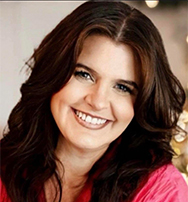 Darby Faubion, RN, BSN, MBA
Darby Faubion is a seasoned nurse, educator, and healthcare writer whose career spans nearly three decades of clinical practice, academic instruction, curriculum development, and student mentorship. Based in Louisiana, Darby has always sought to bring the warmth, resilience, and cultural richness of her home state into every aspect of her work—whether teaching future nurses, supporting families through vulnerable moments, guiding students toward success on the NCLEX, or providing insight about top nursing programs and tips for success.
Popular Related Articles