8 Best BSN-to-DNP Programs in Alabama – 2026
Written By: Pattie Trumble, MPP, MPH
 Will a Doctor of Nursing Practice (DNP) degree open up new nursing career opportunities for you in Alabama? Definitely! Healthcare employers know that DNP-educated nurses are tops in both the clinical and administrative realms when it comes to knowledge, experience, and leadership skills. Graduates of BSN-to-DNP programs in Alabama earn an average salary of $118,510 per year, and demand for their services is projected to increase by nearly 50 percent in the coming decade. Whether you’re interested in becoming an advanced practice RN or an executive nursing leader, the list below of the 8 best BSN-to-DNP programs in Alabama will help you actualize your aspirations.
WHAT ARE THE BEST BSN-TO-DNP PROGRAMS IN ALABAMA (ONLINE & CAMPUS) FOR 2026?
(Based on our Ranking Methodology, listed below are the 8 Best BSN-to-DNP programs in Alabama (Online & Campus) for 2026.
1. University of South Alabama - Mobile
Specialties Offered: Adult-Gerontological Acute Care Nurse Practitioner, Adult-Gerontological Primary Care Nurse Practitioner, Dual (Family NP/Adult-Gerontological Acute Care NP), Dual (Family NP/Emergency NP), Clinical Nurse Specialist - Adult Gerontology, Executive Nurse Administrator, Family Nurse Practitioner, Neonatal Nurse Practitioner, Nursing Informatics, Pediatric Acute Care Nurse Practitioner, Pediatric Primary Care Nurse Practitioner, Psychiatric Mental Health Nurse Practitioner, and Women's Health Nurse Practitioner

The BSN-to-DNP/Adult-Gerontological Nurse Practitioner (AGACNP) track, BSN-to-DNP/Adult-Gerontology Primary Care Nurse Practitioner (AGPCNP) track, BSN-to-DNP/Family Nurse Practitioner (FNP) track, BSN-to-DNP/Neonatal Nurse Practitioner (NNP) track, BSN-to-DNP/Pediatric Acute Care Nurse Practitioner (PACNP) track, BSN-to-DNP/Pediatric Primary Care Nurse Practitioner (PPCNP) track, BSN-to-DNP/Psychiatric Mental Health Nurse Practitioner (PMHNP) track, and Women's Health Nurse Practitioner track each entail 69 credits. The Adult Gerontology Clinical Nurse Specialist (AGCNS) track requires 62 credits. If you enroll in the dual AGACNP/FNP track, you must complete 81 credits, while if you enroll in the dual FNP/Emergency NP track, you'll be required to finish 69 credits. The two non-clinical concentrations Executive Nursing Administration and Nursing Informatics, respectively involve 61 credits and 64 credits.
All of the University of South Alabama's BSN-to-DNP concentrations share a common core curriculum. You'll complete Master's of Science in Nursing (MSN) core classes, MSN specialty classes, DNP core courses, and DNP project courses, along with practicums. Your core DNP classes will include "Scientific Underpinnings of Advanced Nursing Practice," "Evidence-Based Practice and Quality Improvement in Healthcare," and "Translating Evidence Into Practice Systems," and your DNP project will span four semesters.
This BSN-to-DNP program in Alabama accepts new cohorts in the fall and spring semesters. Full-time students will graduate in 10 semesters (40 months), while part-time students will graduate in 16 semesters (60 months).
Admission Requirements: All applicants must have a BSN from an accredited nursing program with an undergraduate GPA of 3.0 or higher, as well as a valid RN license in the state where you'll be doing clinical rotations, with at least two years of professional nursing experience in the specialty you plan to pursue. You must submit a resume and a personal goal statement with your application.
Why Choose This Program
• Students enrolled in this program earn both an MSN degree and a DNP degree!• The curriculum used in the University of South Alabama's BSN-to-DNP program places a strong emphasis on providing healthcare to members of rural and other medically underserved communities.
2. Troy University - Troy
Specialties Offered: Family Nurse Practitioner and Nursing Leadership

The BSN-to-DNP/FNP and BSN-to-DNP/Nursing Leadership tracks utilize the same foundational DNP curriculum, which includes courses like "Research and Evidence for Advanced Nursing Practice," "Foundations of Evidence-based Practice," and "Evaluation Methods for Improvement of Clinical Outcomes." Both tracks also require the completion of a scholarly paper based on the results of your five-semester DNP synthesis project. To graduate, you will also have to submit an e-portfolio.
Both tracks include a minimum of 1,000 clinical hours, which you can pursue at a hospital, clinic, or community organization in your own community. Nursing Leadership students are only required to make one trip to the campus for a three-day orientation at the beginning of the program. FNP students must visit the campus three times: for orientation, at the beginning of their first FNP clinical course, and at the end of their last FNP clinical course, for skills workshops and evaluations.
Admission Requirements: Admission to this program is limited to the available number of spaces. Applicants must possess a current RN license in the state where they plan to complete their clinical requirements and hold a BSN from an accredited nursing program with a grade point average of 3.0 or higher. Include a resume and an 800- to 1,000-word personal goal statement as part of your application.
Why Choose This Program
• Troy University keeps its BSN-to-DNP class size small. Only 35 to 38 students are admitted each year.• Troy University participates in the Nurse Faculty Loan Program. If you're planning to teach after you graduate from the BSN-to-DNP program, you may qualify to have up to 85 percent of your educational loan canceled.
3. University of Alabama at Birmingham - Birmingham
Specialties Offered: Adult-Gero Acute Care Nurse Practitioner, Adult-Gero Primary Care Nurse Practitioner, Family Nurse Practitioner, Neonatal Nurse Practitioner, Pediatric Acute Care Nurse Practitioner, Pediatric Primary Care Nurse Practitioner, Psychiatric/Mental Health Nurse Practitioner, Women's Health Care Nurse Practitioner, and Nurse Anesthesia

Nurse Anesthesia students will pursue their education online during their first semester, beginning in-person coursework at the start of their second semester. Their second to fourth semesters will be taught in classrooms at the university's campus in Birmingham, though they will also be required to attend five campus intensives that meet for two to three days each. In your fifth through ninth semesters, you'll spend the majority of your time in clinical practicums, though you will return to campus one or two times each semester.
UAB's BSN-to-DNP nurse practitioner tracks are distance learning programs, designed to be pursued part-time. Courses use a synchronous format, and you'll visit the campus periodically for skills intensives.
The core DNP coursework requirements are consistent across both the Nurse Anesthesia and nurse practitioner tracks, with classes like "Evidence-Based Practice for Advanced Level Nursing," "Improvement and Program Evaluation Strategies," and "Clinical Data Management and Application for Improvement." Nurse Anesthesia students participate in clinical practicums at Birmingham's UAB Hospital and other medical centers throughout Montgomery, Tuscaloosa, Florence, Huntsville, Dothan, and Mobile. Nurse practitioner students can complete their clinical rotations in the state where they are licensed, provided UAB's School of Nursing has authorization to operate in that state.
The University of Alabama-Birmingham's NP programs start in the summer and the fall. Students who enter in the fall will graduate in nine semesters (36 months), and students who start in the summer can complete their studies in 10 semesters (40 months). The Nurse Anesthesia course is nine semesters (36 months) long and begins in the summer semester.
Admission Requirements: Admission into the University of Alabama's BSN-to-DNP track is highly competitive. All applicants must have a BSN from an accredited nursing program with a GPA of 3.0 or higher and submit a resume and three professional references with their applications.
Applicants to the Nurse Anesthesia track must have at least 11 months of professional nursing experience in a critical care setting, as well as Basic Life Support (BLS) and Advanced Cardiac Life Support (ACLS) certifications. If accepted, you will be expected to attain a multi-state compact RN license before you begin classes.
Why Choose This Program
• U.S. News & World Report ranks the University of Alabama-Birmingham's BSN-to-DNP program the 10th best in the nation.• UAB also offers a 43-credit BSN-to-DNP/Nurse Executive track. Though primarily online, this track requires campus intensives, lasting four to five days in its first, fourth, and sixth semesters.
• 96 percent of UAB's Nurse Anesthesia grads passed the National Certification Exam (NCE) the very first time they took it.
• The University of Alabama-Birmingham's BSN-to-DNP/Nurse Anesthesia track is a member of the Leadership Excel and Achievement Program (LEAP) program, which is dedicated to increasing diversity among Certified Registered Nurse Anesthetists nationwide.
4. Jacksonville State University - Jacksonville
Specialties Offered: Family Nurse Practitioner and Adult-Gerontology Acute Care Nurse Practitioner

Though most of your coursework will be taught online, students in the FNP track will be required to travel to campus to take some courses on Tuesday nights. You'll also be expected to travel to Jacksonville for course orientations and occasional skills intensives.
Foundational DNP courses include "Evidence-Based Practices and Quality Improvement in Health Care," "Scientific Underpinnings of Advanced Nursing Practice," and "Interprofessional Healthcare and Informatics." The culmination of your clinical doctoral studies will be a scholarly paper based on a DNP project that utilizes evidence-based research to enhance healthcare delivery or improve patient outcomes. Before you can graduate, you'll have to pass a comprehensive examination similar to the one you'll need to pass to earn your nurse practitioner certification.
Admission Requirements: This program is only open to BSN-prepared students with a valid RN license and a grade point average of 3.0 or higher.
Why Choose This Program
• Midway in your third year of BSN-to-DNP studies, you'll be granted an MSN degree.• If you're on a budget, Jacksonville State University's clinical nursing doctorate is one of the BSN-to-DNP programs in Alabama that offers the best bang for your educational buck.
5. University of Alabama in Huntsville - Huntsville

The core DNP curriculum consists of 38 to 41 credits. Courses like "Evidence-Based Practice Design and Translation," "Translational Research in Healthcare," and "Project Evaluation Methods" will lay the foundation for a four-semester DNP project. Note that UAH's DNP program is primarily designed to accommodate MSN-to-DNP students. If you're enrolling in UAH's BSN-to-DNP pathway, you must complement this core DNP curriculum with courses chosen from the MSN curriculum. (See "Why Choose This Program" below.)
Admission Requirements: Only candidates with a BSN, a valid RN license, and a 3.0 or higher GPA will be considered for enrollment into UAH's BSN-to-DNP program.
Why Choose This Program
• Students admitted into the University of Alabama-Huntsville's BSN-to-DNP program are expected to choose a specialization from one of UAH's three MSN tracks: Family Nurse Practitioner, Adult-Gerontology Acute Care Nurse Practitioner, and Nursing Administration. UAH's College of Nursing will then prepare an individualized study plan tailored to meet your educational objectives.• You'll be able to choose your own preceptor and clinical site, although UAH's College of Nursing must approve your selections.
6. Samford University - Birmingham
Specialties Offered: Family Nurse Practitioner and Nurse Anesthesia

Both FNP tracks are offered online using the Canvas learning platform. You'll be able to access most of your educational materials asynchronously, but you'll participate in periodic synchronous class sessions via Zoom and make five visits to the university's campus in Birmingham during the course of the program for skills intensives and evaluations. The traditional FNP track requires a minimum of 1,020 clinical hours, while the FNP/Emergency track requires 1,140 clinical hours. You'll be able to complete your clinical residencies at a healthcare facility within your own community. The traditional FNP track takes nine semesters (36 months) to complete, while the FNP/Emergency specialty track takes 11 semesters (44 months) to complete. Both tracks begin in the summer.
Samford also offers a 101-credit BSN-to-DNP/Nurse Anesthesia that requires a minimum of 2,000 clinical hours. Cohort size is capped at 34. While the first two semesters are taught online, the remainder of the nine-semester program requires in-person attendance in campus classrooms and at clinical sites throughout the Greater Birmingham Metropolitan Area. In all, you'll scrub in on more than 800 cases. The BSN-to-DNP/Nurse Anesthesia track begins in the summer semester.
The two tracks share a common DNP curriculum. You'll take core DNP courses like "Evidence Based Practice," "Systems-Based Practice," and "Leadership, Organizational, and Strategic Management Theory." You'll also participate in a two-semester DNP project, culminating in a poster presentation and an abstract, focusing on areas like clinical practice, quality improvement, and health policy
Admission Requirements: Samford University's BSN-to-DNP program is only available to BSN-educated students with a GPA of 3.0 or higher. You must submit a resume, a personal statement, and three letters of recommendation with your application. All applications must be submitted through Slate. Though Critical Care Registered Nurse (CCRN) certification is not required for Nurse Anesthesia applicants, it is preferred.
Why Choose This Program
• If you're looking for a Christ-centered BSN-to-DNP program, Samford University's clinical nursing doctorate may be one of the best BSN-to-DNP programs in Alabama. Its nursing curriculum is rigorous and integrates scholarship with Christian faith.• 100 percent of Samford University's FNP grads passed the American Association of Nurse Practitioners (AANP) Family Nurse Practice certification exam on their first attempt.
• Within six months of graduation, 100 percent of Samford University's Nurse Anesthesia graduates find employment in their chosen field.
7. University of Alabama - Tuscaloosa
Specialties Offered: Family Nurse Practitioner, Psychiatric Mental Health Nurse Practitioner, and Dual Psychiatric Mental Health & Family Nurse Practitioner, Nurse Executive, and Nurse Educator

While the program is primarily a distance-learning pathway, you will be required to make campus visits. All nurse practitioner students are required to attend an orientation session in Tuscaloosa, and all students must attend one DNP intensive connected to the development of their DNP project. You must also complete between 1,080 and 1,620 in-person clinical hours (depending upon the specialty concentration you choose), but you'll be able to do that in the location where you live.
Regardless of which concentration you choose, you'll take foundational DNP courses like "Evidence-Based Practice Methods and Evaluation," "Clinical Data Management & Analysis," and "Writing for Publication." You'll also participate in a five-semester DNP project that demonstrates your ability to translate scientific research into practice.
Admission Requirements: The University of Alabama-Tuscaloosa's BSN-to-DNP program is only open to BSN-prepared candidates with a grade point average of 3.0 or higher and who hold an unencumbered RN license in the state where they will be doing clinical rotations.
Why Choose This Program
• All students enrolled in the University of Alabama-Tuscaloosa's BSN-to-DNP program are awarded an MSN degree just before they commence work on their DNP projects.• Tuition for the University of Alabama-Tuscaloosa's BSN-to-DNP program is comparatively low, and it is the same tuition for state residents and out-of-state residents.
8. University of Mobile - Mobile
Specialties Offered: Family Nurse Practitioner

Courses like "Research Methods and Quality Methods in Evidence Based Practice," "Clinical Scholarship in Evidence Based Practice," and "Organizational Leadership and Quality Improvement in Healthcare" will prepare you to undertake a DNP project in which you will develop, implement, and evaluate a plan, based on your own research, that aims to effect a positive change within a clinical or organizational nursing setting.
Admission Requirements: This BSN-to-DNP program in Alabama only accepts applicants who've earned a BSN from an accredited nursing program with a grade point average of 3.0 or higher and hold a current RN license in the state where they'll be doing clinical rotations.
Why Choose This Program
• The University of Mobile is affiliated with the Alabama Baptist Convention, so if you're looking for a nursing curriculum that integrates a Christian worldview into its educational offerings, this could be an excellent choice. A course entitled "Faith and Science" is part of the university's BSN-to-DNP curriculum.• Interested in nursing education? The University of Mobile offers a 12-credit Nursing Education Certificate, which you can complete at the same time you're finishing your BSN-to-DNP degree.
FREQUENTLY ASKED QUESTIONS ANSWERED
1. Who Accredits BSN-to-DNP Programs In Alabama?
| S.No. | Accrediting Agency |
| 1 | Accreditation Commission for Education in Nursing (ACEN) |
| 2 | Commission on Collegiate Nursing Education (CCNE) |
2. How Many Schools Offer Accredited BSN-to-DNP Programs In Alabama?
| 8 |
3. What Is The Average BSN-to-DNP Salary In Alabama?
| Hourly | $56.98 |
| Weekly | $2,279 |
| Monthly | $9,880 |
| Annual | $118,510 |
4. On Average, How Much Do Entry-Level BSN-to-DNP Graduates Make In Alabama?
| Hourly | $41.92 |
| Weekly | $1,677 |
| Monthly | $7,270 |
| Annual | $87,190 |
5. On Average, How Much Do Experienced BSN-to-DNP Graduates Make In Alabama?
| Level of Experience | Hourly | Weekly | Monthly | Annual |
| 1-4 Years of Experience | $47.43 | $1,897 | $8,220 | $98,650 |
| 5-9 Years of Experience | $55.99 | $2,239 | $9,700 | $116,450 |
| 10-19 Years of Experience | $62.35 | $2,494 | $10,810 | $129,690 |
| 20 Years or More Experience | $74.51 | $2,980 | $12,920 | $154,980 |
6. What Is The Average BSN-to-DNP Salary In Alabama By Metro?
| Metro | Hourly | Monthly | Weekly | Annual |
| Anniston-Oxford-Jacksonville | $60.13 | $10,420 | $2,405 | $125,060 |
| Auburn-Opelika | $54.60 | $9,460 | $2,184 | $113,570 |
| Birmingham-Hoover | $58.92 | $10,210 | $2,357 | $122,550 |
| Daphne-Fairhope-Foley | $57.58 | $9,980 | $2,303 | $119,770 |
| Decatur | $56.17 | $9,740 | $2,247 | $116,830 |
| Dothan | $53.00 | $9,190 | $2,120 | $110,240 |
| Florence-Muscle Shoals | $51.92 | $9,000 | $2,077 | $107,990 |
| Gadsden | $56.98 | $9,880 | $2,279 | $118,510 |
| Huntsville | $55.88 | $9,690 | $2,235 | $116,230 |
| Mobile | $54.83 | $9,500 | $2,193 | $114,050 |
| Montgomery | $58.25 | $10,100 | $2,330 | $121,160 |
| Tuscaloosa | $55.73 | $9,660 | $2,229 | $115,920 |
7. Average BSN-to-DNP Salary In Alabama VS. Average Salaries Of Other Closely Related Occupations In Alabama
| Job Title | Average Annual Salary | Difference | |
| Number | % | ||
| Dentist | $179,000 | -$60,490 | -33.79% |
| Podiatrist | $129,560 | -$11,050 | -8.53% |
| Pharmacist | $126,960 | -$8,450 | -6.66% |
| Nurse With BSN-to-DNP | $118,510 | $0 | 0.00% |
| Optometrist | $115,970 | +$2,540 | +2.19% |
| Veterinarian | $111,030 | +$7,480 | +6.74% |
| Physical Therapist | $96,950 | +$21,560 | +22.24% |
| Physician Assistant | $96,210 | +$22,300 | +23.18% |
| Occupational Therapist | $94,680 | +$23,830 | +25.17% |
| Audiologist | $84,760 | +$33,750 | +39.82% |
| Radiation Therapist | $83,580 | +$34,930 | +41.79% |
| Speech-Language Pathologist | $75,510 | +$43,000 | +56.95% |
| Chiropractor | $72,540 | +$45,970 | +63.37% |
| Dental Hygienist | $54,460 | +$64,050 | +117.61% |
Nearby States
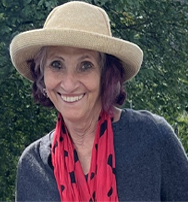 Pattie Trumble, MPP, MPH
Pattie Trumble is a nurse who worked in both California and New York for many years as an emergency room nurse. She holds a Bachelor’s Degree in Economics from the University of California, Berkeley, and an Associate Degree in Nursing from the Samuel Merritt Hospital School of Nursing. After 10 years of providing direct care, she went back to school and earned concurrent Master’s degrees in both public policy and public health from the University of California, Berkeley. Thereafter, she worked for various public health agencies in California at both the community and state levels providing economic and legislative analysis.
Popular Related Articles